Kahramanmaraş Dental Implant Applications
The Biological Effects of Missing Teeth and the Titanium Miracle
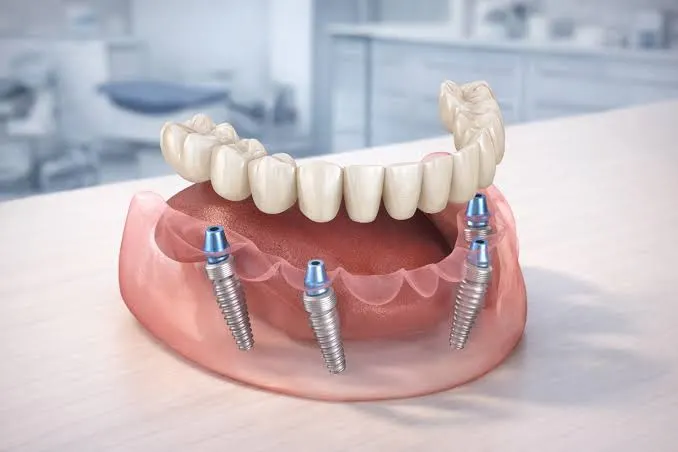
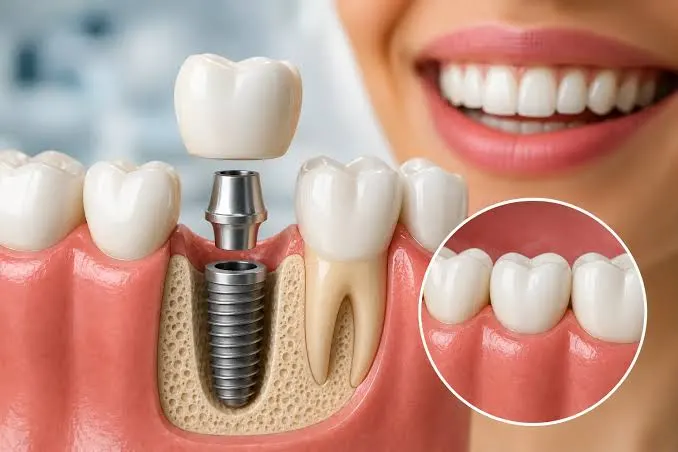
Oral and dental health is the most critical starting point of the general functioning mechanism of the human body. Tooth loss resulting from various traumas, advanced periodontal (gum) diseases, or genetic factors goes far beyond being merely an aesthetic concern and can create a complex clinical picture ranging from digestive system problems to temporomandibular joint (TMJ) disorders. When a tooth is lost, the jawbone in that area is deprived of mechanical stimulation, and a process of bone loss known in medical terminology as “resorption” begins. Today, the most advanced method of stopping this biological destruction and restoring the intraoral dynamics to an ideal level is artificial root systems that can integrate directly with bone tissue. In the field of Kahramanmaraş dental implant applications, Dentocare Clinic combines modern technology and medical expertise to preserve the natural structure of the jawbone and restore chewing function through tissue-friendly titanium screws placed in the missing tooth area.
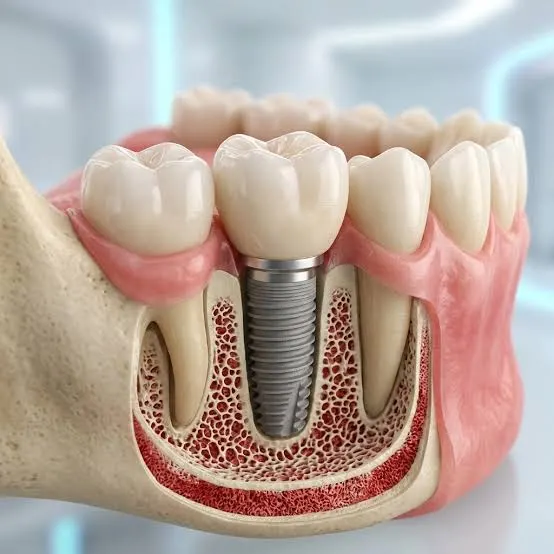
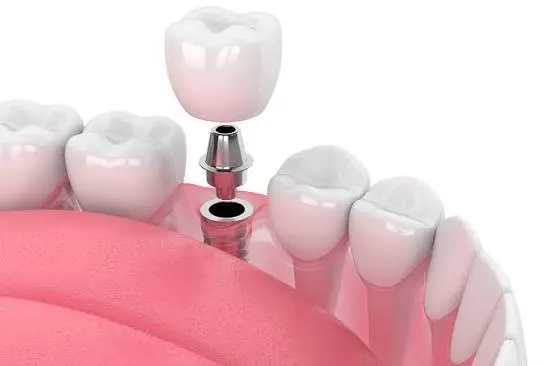
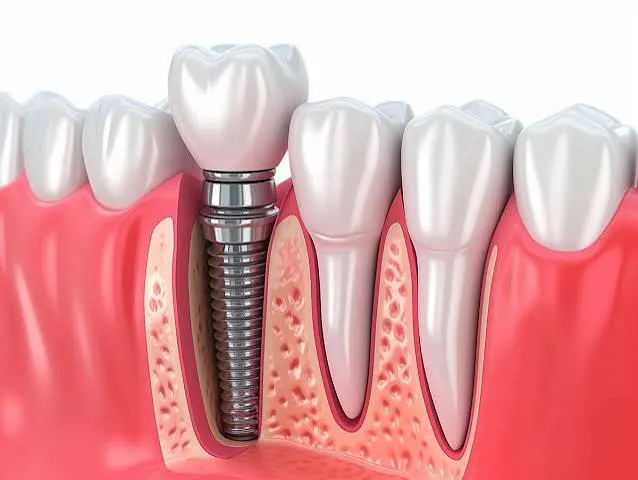
The main reason titanium has revolutionized dentistry is that it is not perceived or rejected by the human body as a foreign material. Thanks to this unique biocompatibility, a perfect cellular bond called “osseointegration” occurs between the implant surface and living bone cells. After an average fusion process of several months, this titanium infrastructure becomes a load-bearing column as strong and durable as an original tooth root. Dentocare Clinic specialists monitor this critical integration process with advanced three-dimensional imaging systems and ensure that the porcelain or zirconium crowns to be placed on top are in complete harmony with the patient’s facial anatomy. In this way, an independent, strong, and natural-looking tooth alignment is achieved without any intervention to the neighboring healthy teeth.
Implant Planning and Application Stages at Dentocare Clinic
Dental implant treatment is not a standard procedure, but rather a delicate art of engineering and medicine that requires a multidisciplinary approach. Treatments performed within Dentocare Clinic begin with a comprehensive radiographic and clinical examination. Using volumetric dental tomography (3D CBCT), the width, depth, and quality of the patient’s jawbone are measured with millimetric precision. Critical anatomical structures such as the mandibular nerve line in the lower jaw and the sinus cavities in the upper jaw are mapped out. If the patient’s bone volume is found to be insufficient to support an implant, advanced surgical techniques such as “bone augmentation” (bone grafting) or “sinus lifting” are applied either in the same session or beforehand to prepare the ideal infrastructure.
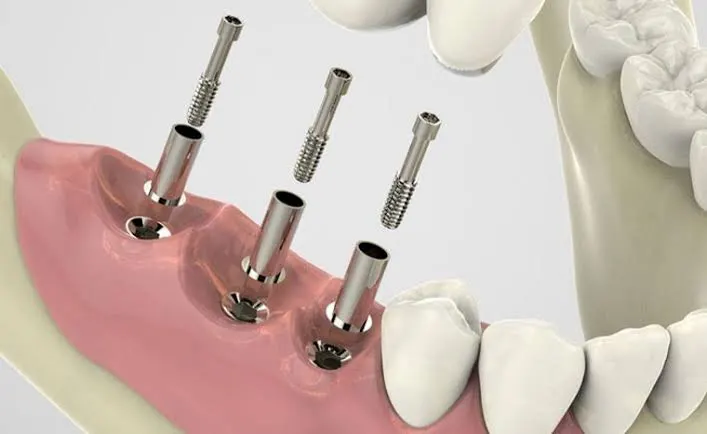
When the application stage begins, the procedure is performed under local anesthesia in sterile clinical conditions. Thanks to advanced surgical techniques, patients do not feel pain during the procedure. Although the placement of the implant into the bone varies depending on the number of cases, it is generally a highly practical process. After placement, the screw is either covered with the gum tissue or fitted with a healing abutment, and the osseointegration phase begins. During this period, temporary crowns or bridges are designed so that our patients can maintain their social lives without interruption while preserving their aesthetic appearance. Once the integration is complete, the gum aesthetics (pink aesthetics) are shaped, and the superstructure prostheses produced in the laboratory according to the patient’s natural tooth color are permanently fixed.
Who Should Consider This Treatment?
- Patients with missing teeth in the back region who do not have supporting teeth for bridge treatment.
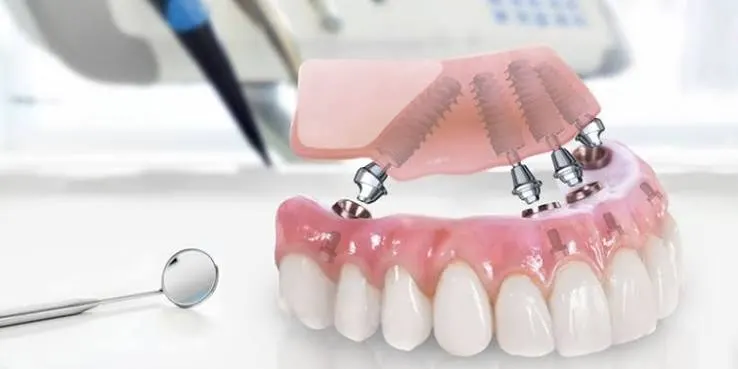
- Individuals who complain about the mobility and sores caused by traditional dentures.
- Those who do not want the healthy teeth on the right and left of a single missing tooth to be cut down and reduced.
- Patients who want to stop jawbone resorption and prevent the sunken appearance in the facial profile.
Material and Technical Comparison Analysis
As Dentocare Clinic, we believe that transparently informing our patients about treatment options is a requirement of medical ethics. You can examine the biological, aesthetic, and functional effects of different approaches used in the replacement of missing teeth in the analysis table below.
| Evaluation Criteria | Dental Implant (Titanium Root) | Traditional Bridge Prosthesis | Removable (Partial) Denture |
|---|---|---|---|
| Anatomical Preservation | Only the missing area is treated, and adjacent teeth are preserved 100%. | The enamel tissue of healthy neighboring teeth is worn down for support. | Clasps (hooks) may cause wear and plaque accumulation on adjacent teeth. |
| Interaction with Bone Tissue | It prevents bone loss by transferring chewing force to the bone. | Since force is not transferred to the bone, bone resorption continues under the pontic. | Because it is tissue-supported, jawbone volume loss occurs over time. |
| Functional Performance | Provides high biting and chewing strength with the stability of a natural tooth. | It is strong, but places extra load on the supporting teeth. | |
| Oral Care and Hygiene | It is brushed like natural teeth and can be easily cleaned with dental floss. | The area under the bridge requires extra cleaning with special brushes and floss. | It must be removed from the mouth and brushed externally after every meal. |
The Importance of Oral Care for Long-Term Success
The long-term success of a properly osseointegrated dental implant depends directly on the patient’s daily oral hygiene habits. The misconception that “the implant cannot decay anyway” is one of the biggest mistakes made after treatment. Although the artificial structure of the implant itself does not decay, the gum and bone tissue surrounding it are living tissues and may remain vulnerable to bacterial attacks. Insufficient brushing and flossing, just as with natural teeth, lead to plaque and tartar accumulation around implants as well. Over time, this may cause conditions called “peri-implant mucositis” (gum inflammation) and, in more advanced stages, “peri-implantitis” (bone loss around the implant).
Dentocare Clinic dentists provide a personalized care protocol for each patient whose treatment has been completed. This protocol includes proper brushing techniques, the selection of interdental brushes, and the effective use of oral irrigators (water picks). In addition, professional tartar cleaning and radiographic follow-ups performed periodically at our clinic every six months make it possible to detect and eliminate potential problems before they produce symptoms. When the triangle of the right dentist, quality material, and an informed patient is established, dental implants accompany the biological life cycle in a perfect way.
Returning to Healthy Chewing Function with Dentocare Clinic
With an innovative and patient-centered vision in the field of Kahramanmaraş dental implant applications, Dentocare Clinic stands by your side to help you overcome the physical and psychological barriers created by missing teeth. Aware that every case has its own unique clinical requirements, we make permanent treatment plans that secure not only today but also your future oral health. A strong jaw structure, an aesthetic smile, and the comfort of chewing every bite healthily are not luxuries, but a standard of living that everyone deserves.
You can visit our clinic in Kahramanmaraş to have your oral condition analyzed in detail, determine the most suitable implant systems for you, and receive scientific and transparent information about the stages of your treatment process. Take the first step today to smile again completely and with confidence.