Kahramanmaraş Digital Dentistry
Dentocare Clinic: 3D Optical Scanners, Computer-Aided Design, and the Maxillofacial Surgery Technologies of the Future That Eliminate Manual Margins of Error
The Transition from Traditional Methods to the Digital Era
While the technological revolution in medical science has completely reshaped diagnostic and treatment protocols, dentistry has undoubtedly been one of the medical fields that has benefited the most from this transformation. Whereas traditional dentistry relied for many years on the dentist’s manual skill, observation, and manually prepared materials, today, thanks to “Digital Dentistry,” all of these processes have been transferred to computer software and optical scanners with micron-level precision. As one of the pioneering healthcare centers in the field of Kahramanmaraş digital dentistry, Dentocare Clinic has adopted an advanced technological vision aimed at anatomically eliminating the margin of error that may arise from the human factor in the treatments it offers to its patients.
Digital dentistry does not simply mean having modern devices in the clinic; it means that every stage of diagnosis, planning, production, and operation is managed through a completely “virtual and mathematical” network from the moment the patient first steps into the clinic. Taking a three-dimensional tomography scan of your jawbone, scanning the inside of your mouth with impression-free cameras, and producing your new teeth within seconds using 3D printers/milling systems (CAD/CAM) are just a few parts of this extraordinary ecosystem. At Dentocare Clinic, your oral health is built not on assumptions, but on engineering precision.
Digital Technologies Used at Dentocare Clinic
The core digital technologies we use in protecting your oral and jaw health, diagnosing diseases early, and perfecting restorative/surgical procedures are as follows:
- Intraoral Optical Scanners (Digital Impression Systems)
The era of “taking impressions with paste” (silicone/alginates), one of the most common complaints among our patients, has completely ended in our clinic. With special pen-sized optical cameras, the inside of your mouth is scanned within seconds. This system, which does not trigger a gag reflex, instantly displays a three-dimensional, life-size, high-resolution, and millimetric digital copy of your teeth on the screen. - 3D Volumetric Dental Tomography (CBCT)
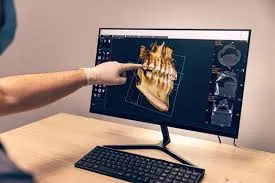
Conventional two-dimensional panoramic films cannot fully show the thickness of the jawbone or the depth of the nerves. Thanks to the CBCT technology in our clinic, your bone structure is analyzed volumetrically in 360 degrees before implant placement or impacted wisdom tooth surgery. Unexpected anatomical surprises are detected and eliminated before surgery. - CAD / CAM (Computer-Aided Design and Manufacturing)
Your intraoral impressions obtained with digital cameras are transferred to design programs (CAD). Your new porcelain or zirconia tooth is designed on the computer in the most suitable way for your facial features. This design is then sent to micro-milling units (CAM) in the clinic or laboratory and produced flawlessly from solid blocks without being touched by hand. - Digital Surgical Guides
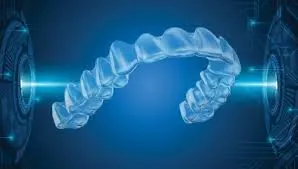
These eliminate the risk of the dentist having to manually estimate where to direct the drill during implant surgery. Transparent templates prepared on a computer using 3D tomography data ensure that the implant enters the bone only at the planned angle and depth. In most cases, there is no need to cut the gum tissue or place sutures.
The Advantages of Digital Dentistry for Our Patients
Our patients often wonder how our clinic’s substantial technological investment is reflected in their medical comfort and treatment times. You can see the striking differences between traditional dental practice and Dentocare Clinic’s digital vision in the comparison table below:
| Clinical Evaluation Criterion | Dentocare Digital Dentistry | Traditional (Manual) Dentistry |
|---|---|---|
| Comfort During Impression Taking | Scanning is performed contact-free with optical cameras, and no gag reflex is triggered. | Large metal trays and paste-like materials are inserted into the mouth, which can be uncomfortable for the patient. |
| Speed and Time Efficiency | Scan data is sent instantly to the laboratory in digital form, and production begins very quickly. | Manual impressions are sent to the laboratory by courier, which can result in days of lost time. |
| Margin of Error and Fit | Thanks to computer-aided production (CAD/CAM), restorations fit the tooth with micron-level precision and virtually zero error. | Problems with adaptation may occur due to shrinkage of impression materials or technician-related manual errors. |
| Surgical Safety (Implants) | Thanks to surgical guides and 3D tomography, anatomical risks such as nerve damage are virtually eliminated. | Procedures are performed free-hand, relying on the dentist’s real-time experience and estimated direction. |
The Digital Revolution in Smile Design
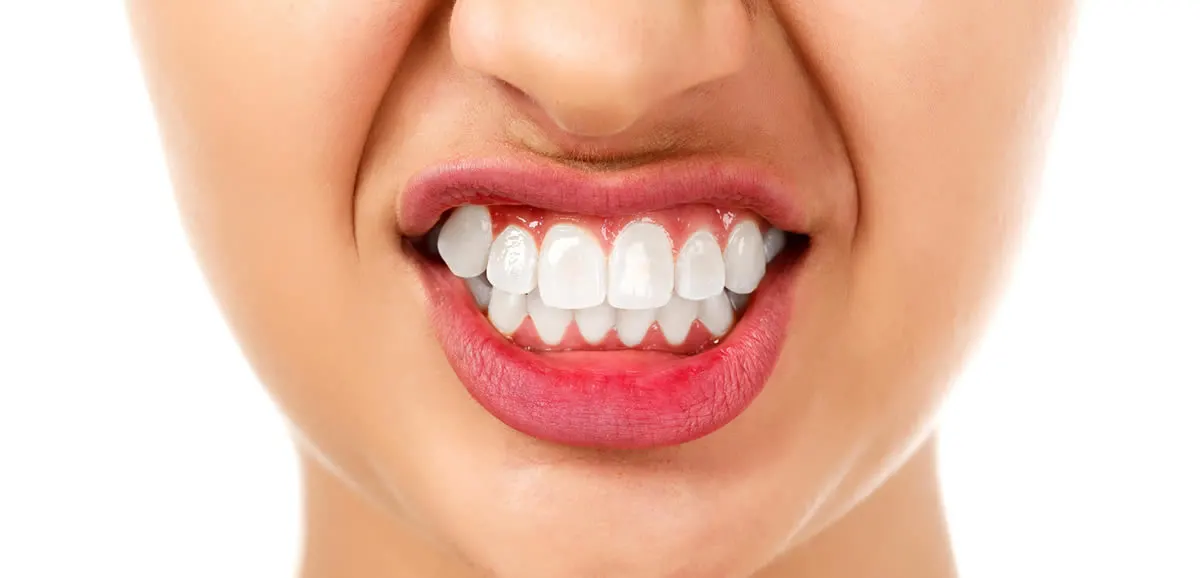
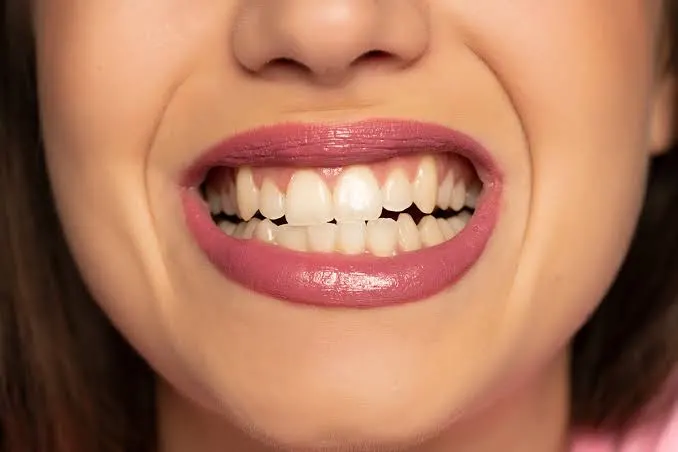
One of the areas where digital dentistry shines the most is aesthetic restorations. When you decide to have aesthetic laminate veneers, zirconia crowns, or implant-supported prostheses at Dentocare Clinic, you do not need to guess the final result. The photographs taken in our special digital photography studio and your 3D intraoral scans are uploaded into software. Your smile design is then planned on the screen (Digital Smile Design) in harmony with your facial features, lip symmetry, and even your skin tone.
More importantly, this virtual design is applied to your teeth with the “Mock-up” method before any physical intervention is made. You see your new smile in the mirror or on the screen, approve it, and only then does treatment begin. The era of surprise results is replaced by an engineering-based aesthetic planned from start to finish.