There is no single right answer to the question of domestic or imported implants. When a brand is licensed, traceable and backed by scientific data, the result depends less on where it was made and more on your dentist’s planning, the condition of your jawbone and how you look after the implant. This article explains which criteria matter when choosing a brand and what is worth asking at the consultation.
What does the domestic versus imported distinction mean?
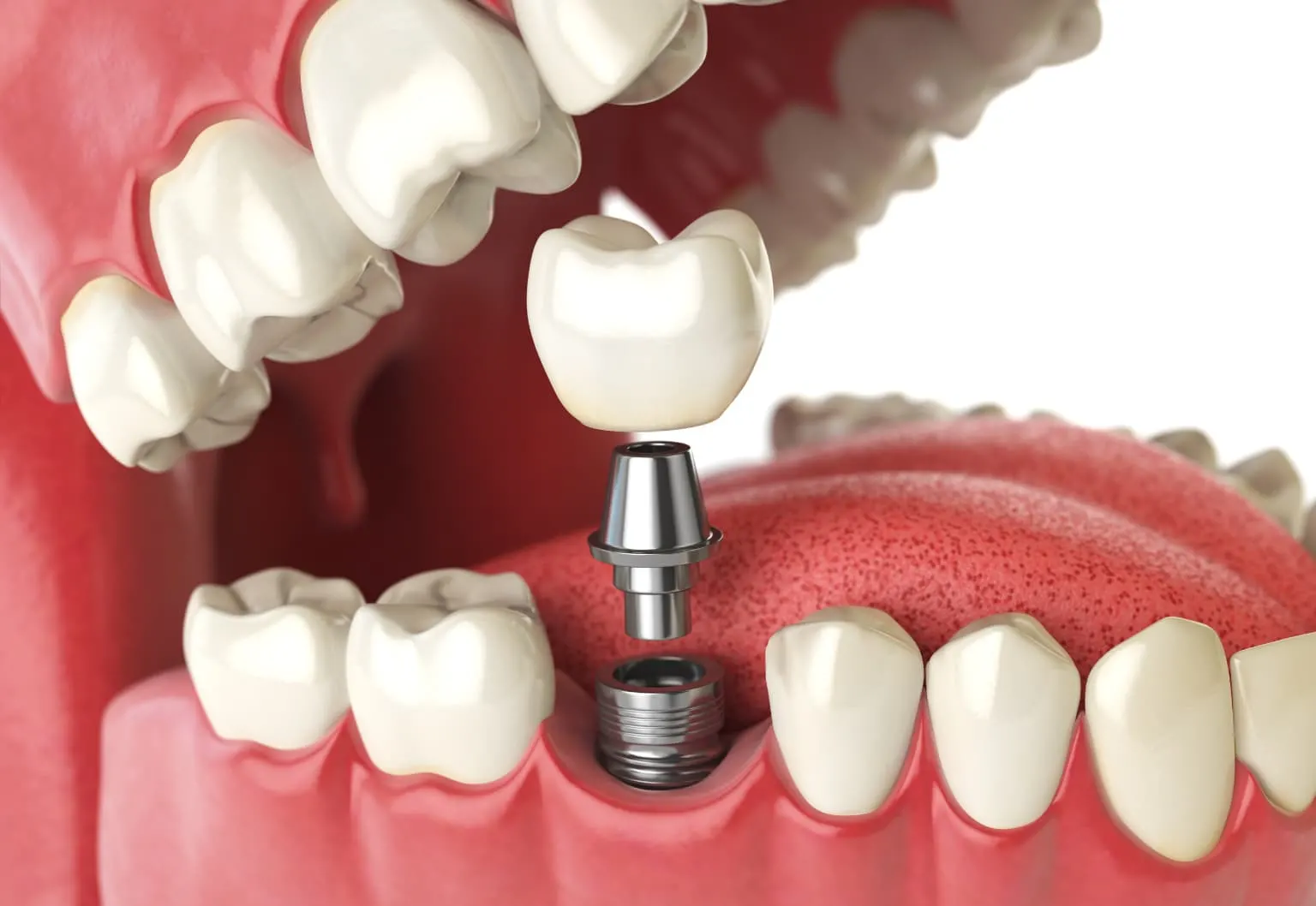
The distinction describes where an implant is manufactured and which company it belongs to; on its own it does not show quality. Brands made in Turkey are called domestic, and those made abroad are called imported or foreign implants. Two brands within the same group can differ greatly in material, surface treatment and research data.
That is why generalizations such as ‘domestic is bad’ or ‘imported is always better’ are misleading. What matters is that the product is licensed, that its identity can be traced and that the dentist knows the system well.
Domestic and imported implants compared
When comparing the two options, the criteria below matter more than origin. The table gives a general framework; each brand should be assessed separately on its own data.
| Criterion | Domestic implant | Imported implant |
|---|---|---|
| Material | Usually titanium or a titanium alloy; varies by brand | Usually titanium or a titanium alloy; varies by brand |
| Surface treatment | Surface design that supports bonding with the bone differs from brand to brand | Surface treatment differs from brand to brand; some systems have a long research history |
| Clinical data and publications | Varies by brand and product line; ask your dentist | Established brands usually have a larger number of long-term publications |
| Prosthetic parts and compatibility | Parts supply and compatibility depend on the brand’s distribution network | Parts supply and compatibility are usually widespread for common systems; it should still be checked |
| Cost | Generally regarded as a lower-cost option | Generally higher in cost |
| Who it suits | Standard cases with suitable bone structure, where the dentist finds it appropriate | Difficult cases, plans that need bone support, or situations where the dentist has long experience with the system |
Which criteria does a dentist use when choosing an implant?
The dentist looks at your mouth first, then at the brand. The following are usually evaluated:
- Amount and quality of bone
- The location of the missing tooth and the chewing load
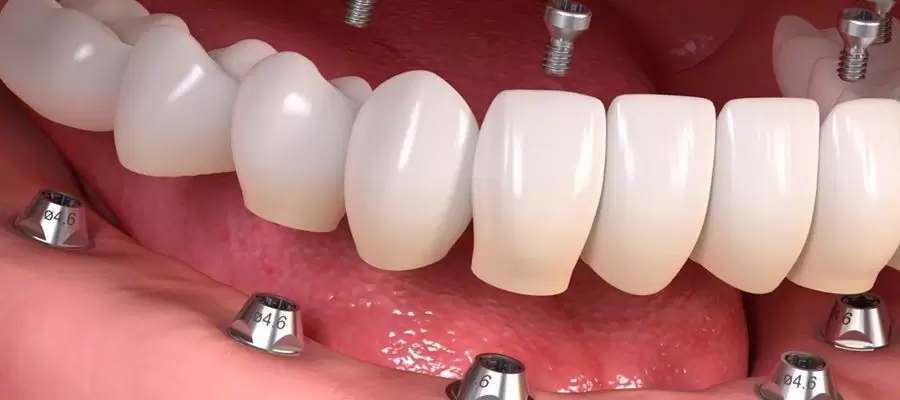
- The planned prosthesis type (single tooth, bridge, full arch)
- The brand’s clinical data and the dentist’s experience with the system
- Continuous availability of prosthetic parts and service
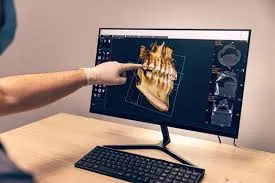
This evaluation is made with three-dimensional imaging and examination findings. You can read which tests are requested before an implant in our article on pre-implant tomography and examination.
Does origin alone determine how long an implant lasts?
No. An implant’s lifespan depends less on its origin and more on a set of factors: the accuracy of the surgical planning, the dentist’s experience, bone quality, oral hygiene, smoking and regular check-ups. The difference between a well-planned, well-maintained implant and the same implant neglected can be greater than the difference between two brands.
It is not possible to name a specific number of years, because the duration varies from person to person. You can find the habits that extend lifespan in detail in how long do implants last. The implant care guide also helps with daily upkeep.
The role of bone structure, the jaw and surgical planning
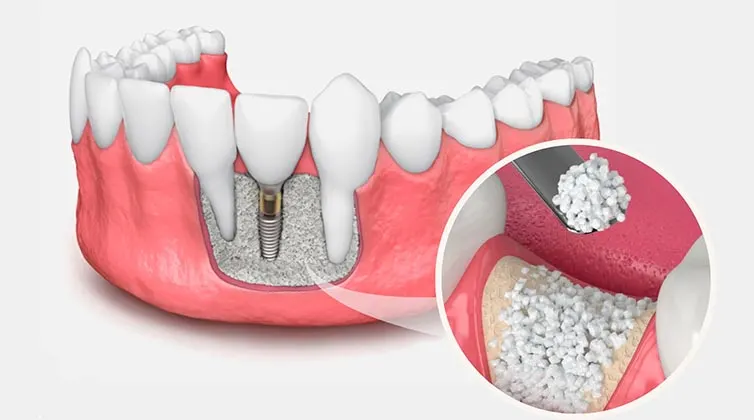
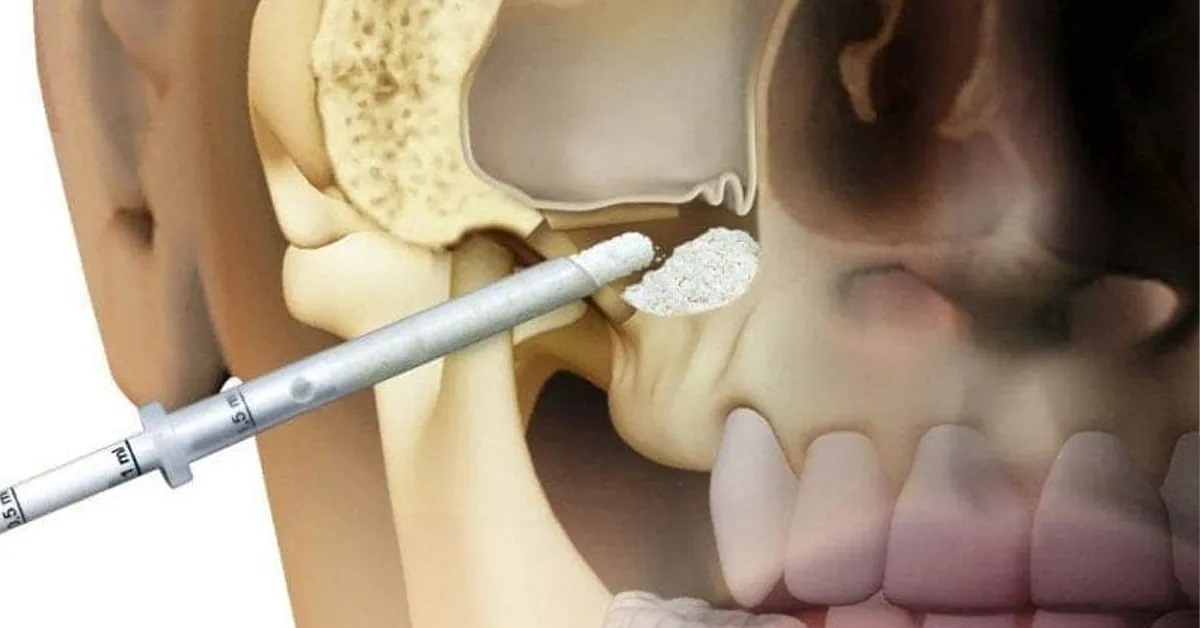
Bone structure is at least as decisive as the choice of brand. For an implant to bond with the bone, there must be enough bone volume and the correct position. If the bone is insufficient, additional procedures such as a bone graft or sinus lift may come into play; in that case the dentist chooses the system suited to the case according to this plan. We explained why bone matters so much in jawbone and implants.
An implant of the same brand can cause problems in a poorly planned position, while placed correctly it can work without trouble for a long time. The source of many complaints is not the brand but inadequate planning, infection and lack of care.
What to look at when evaluating long-term results
A brand’s success is understood not from advertising slogans but from published and monitored clinical data. Pay attention to these points:
- How long the brand has been in use and whether scientific publications support this
- Whether the product is licensed and every implant can be traced with an ID card
- Whether the prosthetic part and spare parts can still be found years later
- The dentist’s experience with the system and whether they follow your maintenance process
Behind complaints about domestic implants there is usually not the brand itself but a lack in these points. The same applies to imported brands.
When might a domestic implant or an imported implant be considered?
The decision is made according to the needs of the case rather than belief in a brand.
- Domestic implant: It may be suitable for people with sufficient bone, a standard plan and a wish to balance cost, provided the dentist trusts the brand’s data and the availability of parts.
- Imported implant: It may be preferred in plans that need bone support, involve many implants or a full arch, and when the dentist has long experience with the system and the brand has a broad publication history.
In both cases the real goal is the same: predictable bone integration and a system that can be maintained in the future.
The items that affect cost
The cost difference does not come from the brand alone. Manufacturing and research investment, distribution, import expenses, prosthetic parts and service support are all reflected in the total cost. In addition, bone grafting, sinus lift, whether zirconia or porcelain is chosen for the crown, and how many implants are placed also change the total. You can find which items matter in what changes implant cost. An exact amount can only be given after the examination and planning.
Questions to ask your dentist at the consultation
Whatever the brand, asking these questions puts you in a strong position to decide:
- Which brand of implant are you recommending to me, and why this brand?
- Is the product licensed, and will I be given each implant’s ID card and traceability information?
- How long have you been working with this system?
- Does the brand have long-term clinical data and scientific publications?
- If a prosthetic part is needed in the future, can it be found?
- Does my bone situation require an additional procedure?
- What will my follow-up and maintenance programme look like?
Implant planning at Dentocare Klinik
At Dentocare Klinik, implant surgery is carried out by Specialist in Oral, Dental and Maxillofacial Surgery Dr. Dt. Sefer Mahmutoğlu, who is a member of the Turkish Society of Oral and Maxillofacial Surgery and of the ITI, and also serves as director of the ITI Kahramanmaraş Study Club. Planning is supported by digital infrastructure such as 3D imaging and an intraoral scanner. The system to be recommended is discussed at the consultation according to your bone structure and prosthetic plan. For an implant plan in Kahramanmaraş, you can reach us with your questions through our contact page.
Frequently asked questions
Is a domestic implant good?
Licensed, traceable domestic brands with clinical data are used by dentists in suitable cases. Quality should be judged by the brand’s data and the dentist’s experience; origin alone is not a sufficient criterion.
How long does a domestic implant last?
Lifespan cannot be tied to a single number; the dentist’s planning, bone quality, oral hygiene, smoking and regular check-ups determine it. Well-maintained implants can be used for many years.
What should I look for when choosing an implant brand?
Ask about licensing and traceability, the brand’s clinical data, prosthetic part compatibility and the dentist’s experience with the system. Remember that the dentist’s planning and the follow-up process matter as much as the brand.