The healing process of an extracted tooth happens in stages: the extraction site fills with a clot in the first hours, the gum closes, and the bone underneath reshapes over a longer period. The time varies from person to person; healing can take longer after a molar or impacted tooth extraction. What determines the time is the difficulty of the extraction, your care routine and habits such as smoking.
Healing stages
The extraction site heals in four stages: clot formation, closing of the gum, recovery of the soft tissue and rebuilding of the bone.
- First hours: clot formation. Bleeding stops in the socket of the extracted tooth and a clot forms. This clot is the basis of healing; it should not be dislodged.
- First days: swelling and protection. While the tissue repairs itself there may be mild swelling, tenderness and bruising. If stitches were placed, the area is protected additionally.
- Following days: closing of the gum. New gum tissue takes the place of the clot, and the extraction site looks closed from the outside. If there are stitches, your dentist tells you when they will be removed.
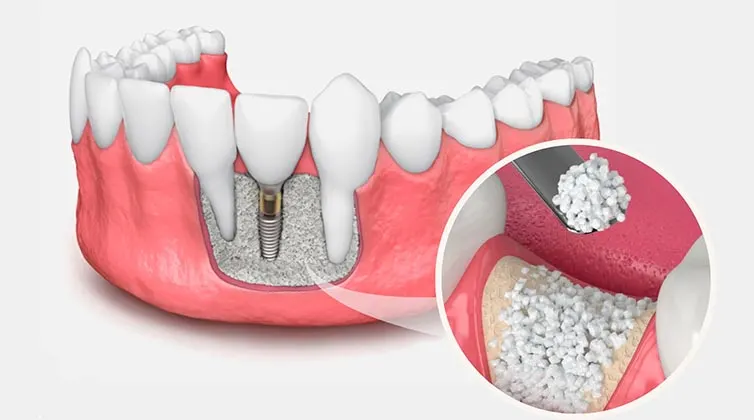
- Longer term: bone renewal. The extraction socket fills with bone from within and merges with its surroundings. This stage is not visible from outside but matters for later plans such as an implant.
What is normal in the first days?
Mild bleeding, swelling, soreness in the area and not being able to open the mouth fully are normal after an extraction; they are part of the body’s repair work.
- Bleeding: a pink-red color may be seen in the saliva in the first hours. The gauze pad given by the dentist is bitten on to apply pressure.
- Swelling: swelling may form on the side of the face where the extraction was done. Swelling at the extraction site, especially with molars, is a normal sign of healing.
- Tenderness: there may be soreness in the area; it is kept under control with the painkiller recommended by the dentist.
- Difficulty opening the mouth: especially after a lower molar extraction, the mouth may be hard to open for a while because the jaw muscles are strained.
If these symptoms increase in the first days and then decrease, the process is progressing as expected.
Sleeping the first night with your head slightly raised on the pillow helps reduce bleeding and swelling. If bleeding continues while you sleep, it is enough to bite on a new gauze pad without disturbing the clot in the mouth and, if needed, call the clinic. A slight bloodstain may be seen on the pillow, and this is not worrying in itself.
How long do swelling and bruising last?
Swelling may increase in the first days after the extraction and then gradually decreases; bruising may remain visible for some time after the swelling. The time varies with the person and the difficulty of the extraction.
Home care recommendations
After a molar is extracted, the most important rule of the first day is to protect the clot; for this, some habits need to be given up temporarily.
- In the first hours, bite on the gauze for the time your dentist tells you.
- On the first day do not rinse your mouth forcefully, avoid spitting and sucking motions, and do not use a straw.
- Do not poke the extraction site with your tongue or finger.
- On the first day avoid hot food and drinks and hard and spicy foods; prefer lukewarm, soft foods that you can chew on the opposite side.
- Take the medication prescribed by the dentist and, if required, the antibiotic regularly.
- Avoid heavy sports and exercise on the first day; physical effort can trigger bleeding.
The appearance of the extraction site also changes over time. In the first days a dark red clot or a whitish-yellowish layer may be seen; this layer is most often not an infection but a normal look of the healing tissue. Over time the area turns pink, the pit slowly narrows and the gum flattens. If food gets stuck in the extraction site, it is enough to rinse gently and clean it with the method your dentist recommends; do not try to clean it with a hard object on your own.
When to return to brushing?
Tooth brushing is continued on the day of the extraction, but the brush is not applied to the extraction site; the area is cleaned with gentle movements after some time.
The effect of smoking and alcohol
Smoking delays healing after an extraction and raises the risk of the clot being lost; alcohol can increase bleeding and interact with medication.
Smoking should be given up for as long as possible after the extraction; at the very least it must not be smoked at all in the first days. The sucking motion and the substances in a cigarette can disturb the clot and lead to a painful condition called dry socket. Alcohol is also not recommended because it can increase bleeding in the first days; if you are taking an antibiotic and a painkiller, it is not suitable anyway because of interaction. Giving up smoking in this period affects both healing and the treatments planned afterward in a positive way.
When exactly do the gum and bone settle?
The gum closes first, while the extraction socket fills with bone over a longer period; this time varies with the person and the extracted tooth. Your dentist evaluates the exact time at the check-up exam.
Other factors that affect healing after an extraction
The speed of healing depends on the type of tooth extracted, the condition of the surrounding tissue and the person’s general health. A simple extraction and the extraction of an impacted molar do not heal in the same way; after extractions that require a surgical procedure, swelling and sensitivity can be more noticeable. If you have a chronic illness, use medication regularly or take blood thinners, you need to tell your dentist before the extraction, because the care recommendations may be shaped accordingly. Even if you feel well during healing, do not stop the medication and care routine the dentist has given; the fading of your complaints may not mean the extraction site has healed completely. If you notice an unexpected change, noting it down and showing it to the dentist at the check-up helps them assess the situation correctly.
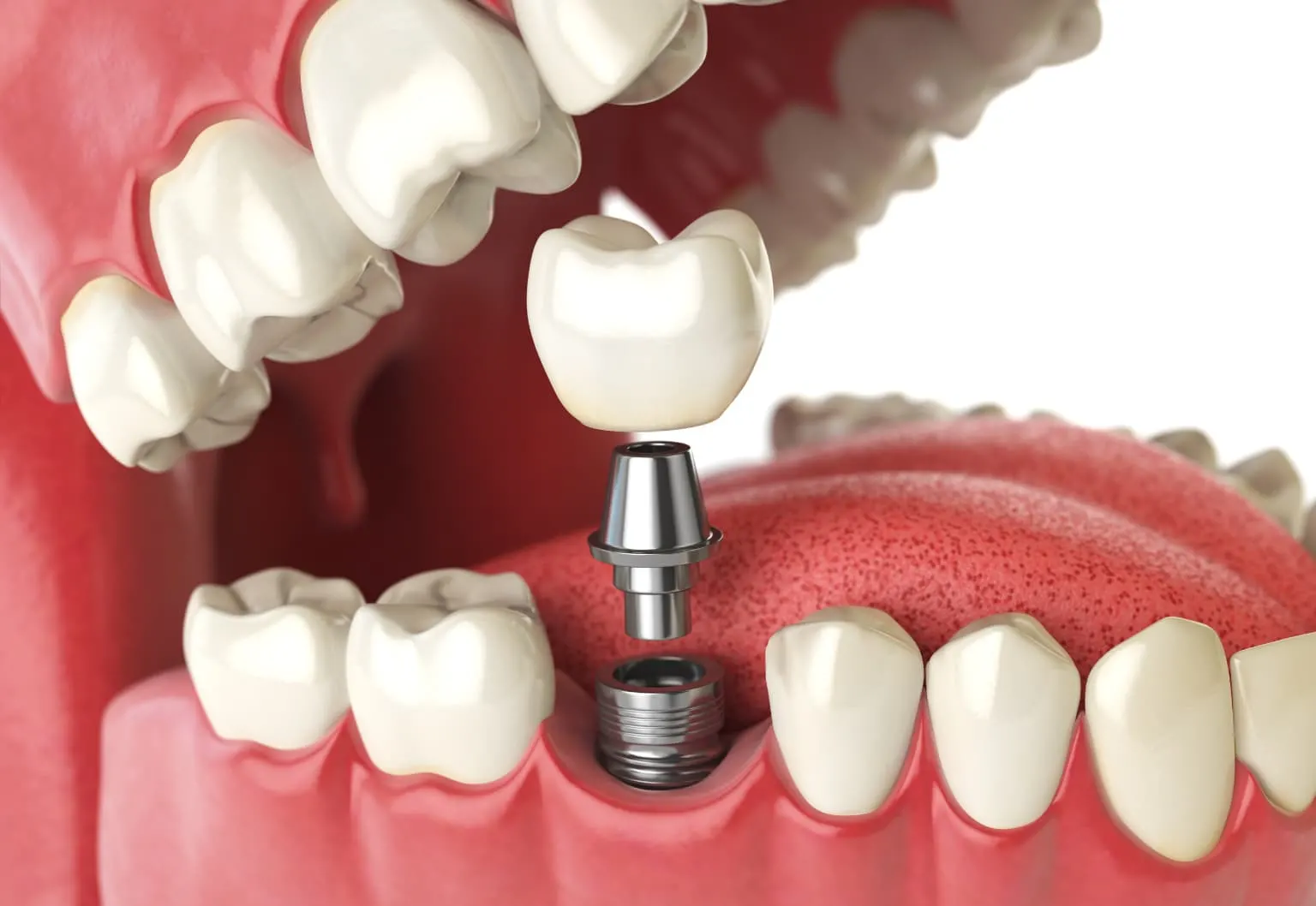
At the check-up appointment after the extraction, the dentist looks at how the site is closing, any stitches and your complaints. If you are considering a treatment such as an implant in place of the extracted tooth, this is also discussed at the check-up; for timing you can look at our article when is an implant placed after a tooth extraction.
Tooth extraction and check-ups at Dentocare Klinik
Dentocare Klinik is a dental clinic in Kahramanmaraş run by specialists in Oral, Dental and Maxillofacial Surgery and in Pediatric Dentistry; our services also include tooth extraction and impacted tooth operations. For questions about healing after an extraction, you can also look at our Kahramanmaraş tooth extraction aftercare page.
When should you see a dentist?
If the pain increases instead of easing after a few days, if the bleeding does not stop, or if there is fever and a bad smell, you need to see a dentist without waiting.
- Severe, throbbing pain that increases instead of decreasing over time and does not go away with medication (it may be a sign of dry socket)
- Bleeding that does not stop or that starts again
- Fever, a bad smell or pus coming from the extraction site
- Difficulty swallowing or breathing, or spreading of the swelling
- Early opening of a stitch or a hard, bone-like piece coming out
If you have any of these signs, let the clinic know instead of waiting and trying; early intervention makes healing easier. You can reach our clinic through our contact page and request an appointment for a check-up after the extraction.