How is Dental Implant Done in Kahramanmaraş
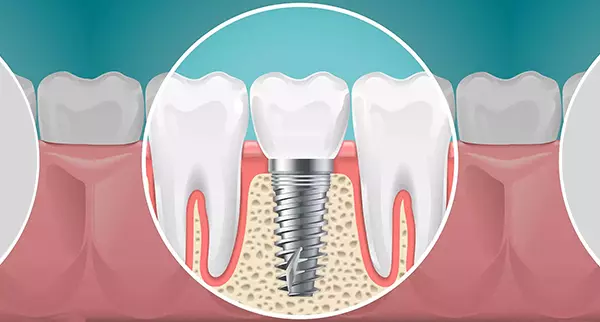
Tooth loss is not just an aesthetic loss, but a physiological process resulting in impaired chewing function and the gradual resorption of jawbone. Dental implants, the most valid scientific method for compensating for this loss today, stand out with their structures that mimic natural tooth roots. For patients living in the Kahramanmaraş region and researching this treatment, the biggest question is how the process works. The answer to the question “How is dental implant done in Kahramanmaraş?” is not a simple mechanical operation, but a meticulously planned set of biological procedures.
1. Stage: Digital Diagnosis and Treatment Planning
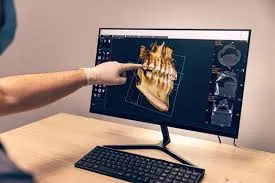
The foundation of a successful implant treatment is laid with accurate diagnosis. In modern clinics in Kahramanmaraş, the process begins not the moment the patient sits in the chair, but the moment radiological images are taken. While traditional two-dimensional panoramic X-rays provide a general idea, the “gold standard” in implant surgery is now the use of 3D Dental Volumetric Tomography (CBCT).
With tomography, the physician analyzes:
- The height, width, and density (quality) of the bone.
- The location of the nerve channels (mandibular nerve) in the lower jaw.
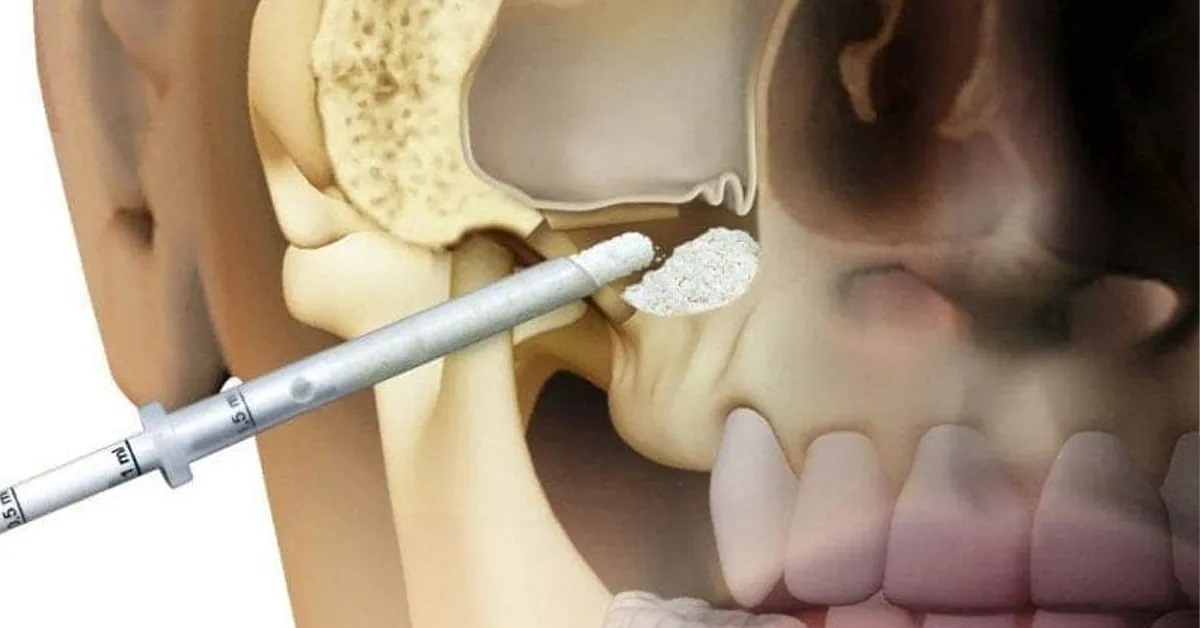
- The degree of sagging of the sinus cavities in the upper jaw.
- The most ideal angle and position for implant placement.
Stage 2: Surgical Operation Process
After planning is complete, the operation date is determined. Implant surgery is performed in clinical environments where the sterilization chain is not broken and aseptic conditions are ensured. The steps of the procedure are as follows:
Anesthesia and Comfort
The operation is performed under local anesthesia. Since the relevant area is completely numbed, the patient does not feel any pain during the procedure. Anesthesia is the most important part of surgical comfort.
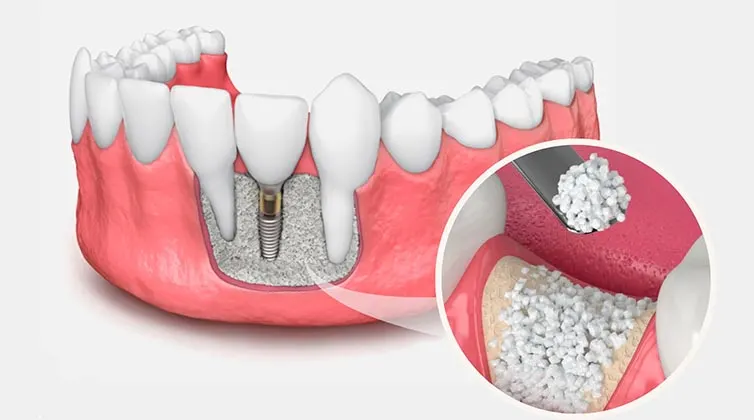
Preparation of the Implant Socket (Osteotomy)
The gum is opened with a small incision to reach the bone tissue (in some cases, a sutureless method can also be applied). Then, a socket is prepared in the bone with special milling sets suitable for the diameter of the titanium implant. During this process, continuous cooling with “physiological saline” is performed to maintain the vitality of the bone. Heat control is critical to eliminate the risk of bone cell death (necrosis).
Implant Placement
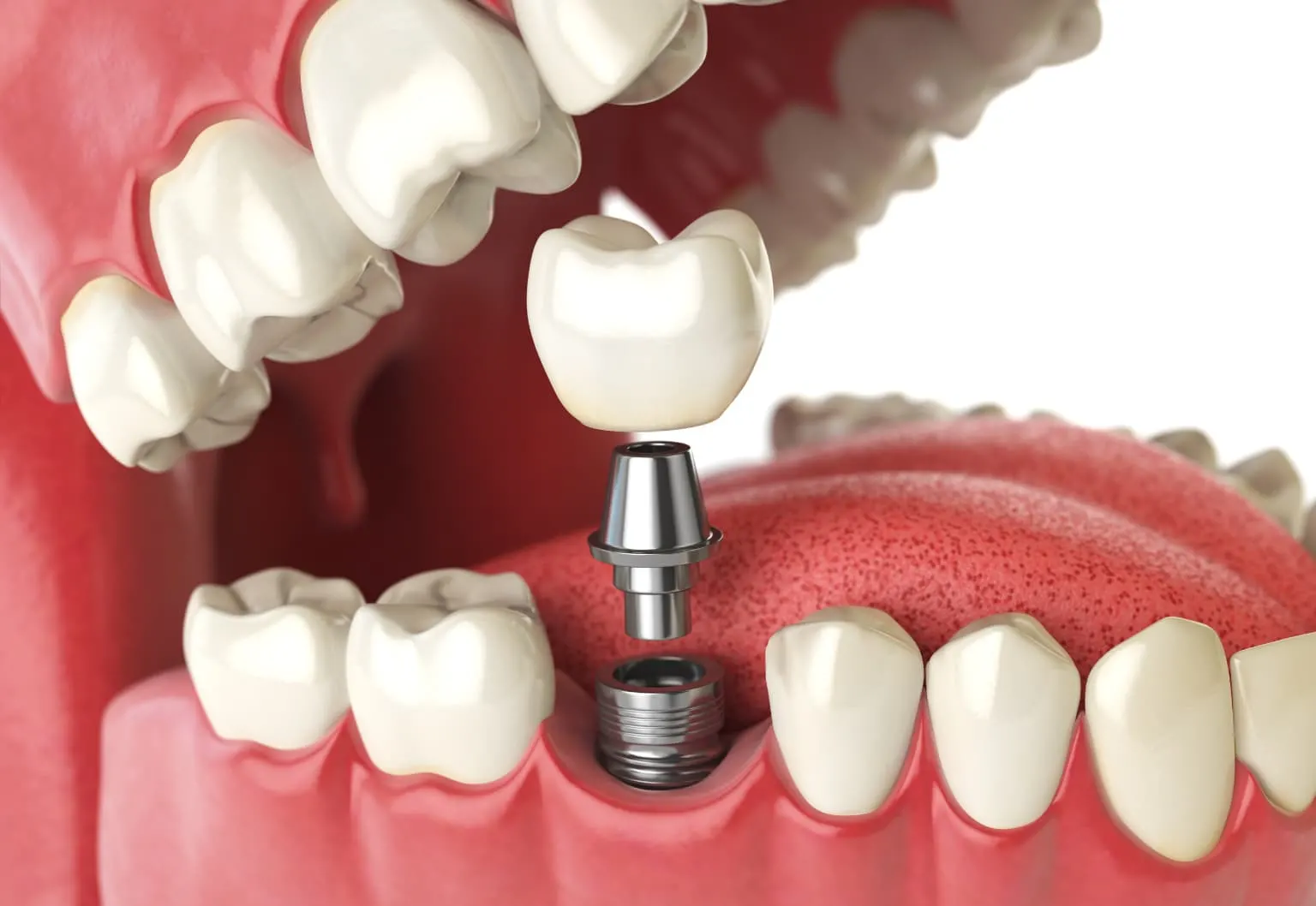
The implant is screwed into the prepared socket with a specific torque (compression force). This force gives the “primary stability” value, which shows how tightly the implant is attached to the bone. Then a capping screw is placed on the implant and the gum is closed with sutures.
Stage 3: Osseointegration (Bone Fusion)
When the surgical procedure is finished, the actual biological process begins. The microscopic fusion of the implant surface with living bone cells is called “osseointegration”. This process is essential for the implant to withstand chewing forces.
[Image of osseointegration process]
In a standard case, implant fusion with bone takes an average of 2-3 months for the lower jaw and 3-4 months for the upper jaw. If sinus lifting or bone graft procedures have been performed, this period can extend up to 6 months for bone maturation. This waiting period is the most important investment made to ensure the treatment is permanent.
Comparison of Application Methods
There is no single answer to the question of how implants are placed in Kahramanmaraş; techniques vary according to the patient’s bone structure. Here is a comparison of the basic methods:
| Method | Procedure Details | Clinical Advantage | Suitable Patient Profile |
|---|---|---|---|
| Two-Stage Surgery | The implant is embedded, and the gum is closed. After 3 months, the gum is reopened and a healing abutment is applied. | The risk of infection is minimal. The implant is protected from external factors. | High-risk patients who have undergone bone grafting or who smoke. |
| Single-Stage Surgery | The implant is placed, and a healing abutment is applied immediately. No need for a second surgery. | Patient comfort is high, and the treatment process is shorter. | Patients with high bone quality and good oral hygiene. |
| Immediate Loading | A temporary tooth is placed on the implant the same day it is placed. | The patient does not remain toothless, and there are no aesthetic concerns. | Special cases where the bone is very hard and the implant holds very firmly. |
Stage 4: Prosthesis Fabrication and Finishing
After the osseointegration process is successfully completed, the prosthesis stage begins. In Kahramanmaraş, digital or traditional impression methods are used in prosthesis processes.
- Impression Taking: The healing abutments are removed and impression pieces are attached, and an exact copy of the patient’s oral structure is transferred to the laboratory.
- Infrastructure Trial: The metal or zirconium prepared in the laboratory is used.Conium substructure is tested in the mouth. Fit and occlusion are checked.
- Porcelain Trial and Delivery: The color, shape, and aesthetics of the teeth are evaluated together with the patient. After final approval, the teeth are fixed by screwing or bonding.
Care Recommendations Specific to Kahramanmaraş
After the treatment is completed, the success of the implant is now in the patient’s hands. Particular care should be taken with the hard and sticky foods of Kahramanmaraş cuisine (hard tarhana, peanut butter, thick ice cream, etc.). Excessively hard foods that can damage natural teeth can also cause fractures in porcelain implants. In addition, the use of an “oral irrigator” is strongly recommended by dentists in the region to prevent tartar formation around the implant.