How is Root Canal Treatment Performed? Step-by-Step Process
Have you ever woken up in the middle of the night in Kahramanmaraş with a throbbing toothache and thought, “Should I have this tooth extracted?” Going to the dentist in that moment of pain is like a horror movie scenario for many people. There are so many myths circulating about Root Canal Treatment, known among the public as “removing the nerve of the tooth”, that patients are more afraid of the stories they’ve heard than the procedure itself when they sit in the chair.
However, the reality is very different. Root canal treatment is not about killing a tooth, but about “mummifying” it and ensuring it functions in your mouth for a lifetime. To avoid missing out on the rich and delicious cuisine of Kahramanmaraş (dövme dondurma, firik, meat dishes), protecting your own teeth is vital.
What is Root Canal Treatment? An Anatomical Look
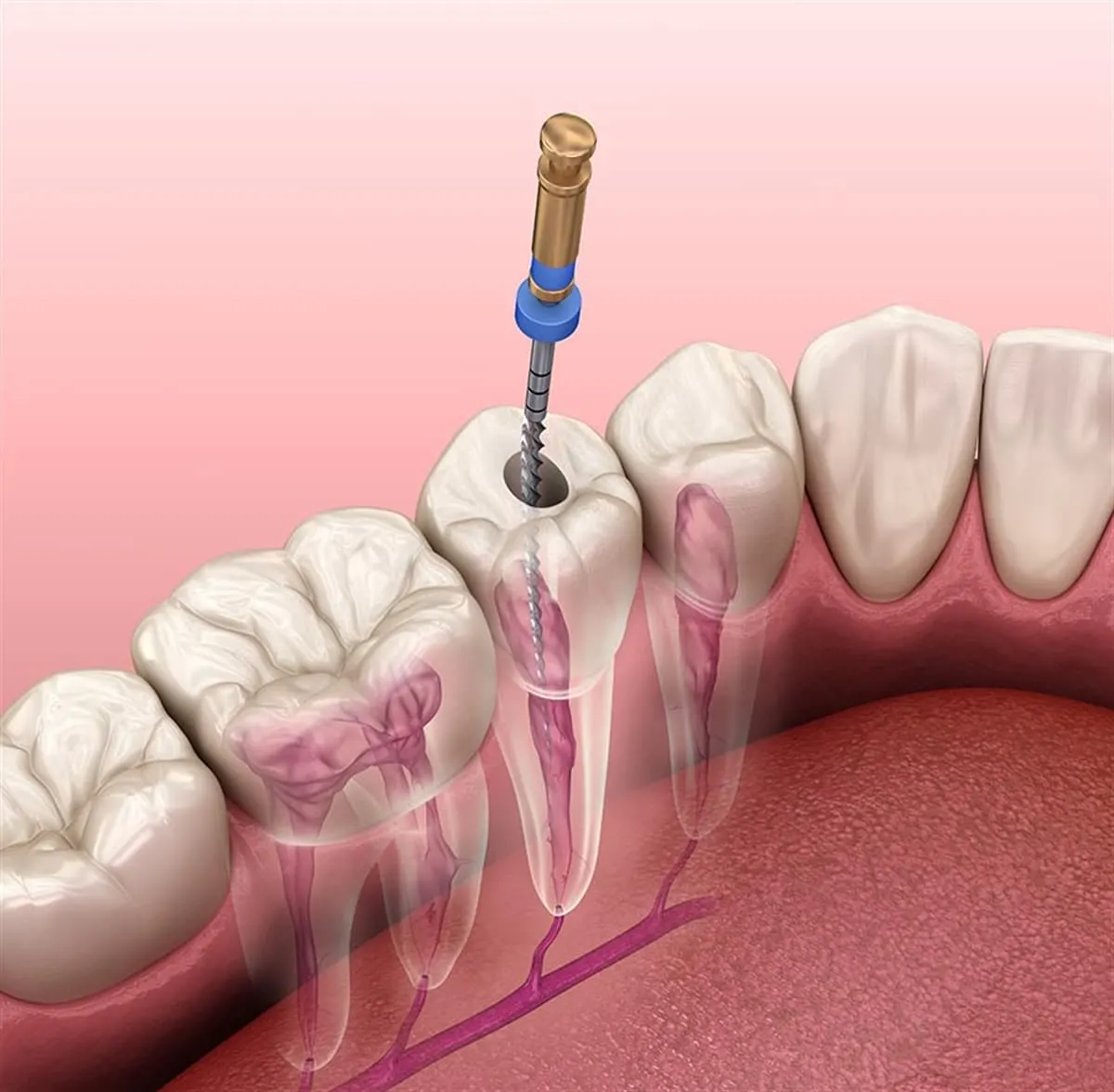
Our teeth are not just the white, hard part we see (enamel). In the innermost part of the tooth, extending to the tip of the roots, there is a vascular-nerve bundle that provides the tooth’s vitality. This structure is called the “Pulp”.
When bacteria reach this pulp chamber due to a deep decay or trauma, the nerves become infected and die. The body tries to expel this infection, but because the tooth is a closed box, the pressure increases, and that unbearable pain occurs. Root canal treatment is the process of cleaning this infected tissue (debris), disinfecting it, and sealing the cavity.
Step-by-Step Root Canal Treatment Process
In modern clinics in Kahramanmaraş, a root canal treatment session takes an average of 45-60 minutes and generally consists of the following stages:
- Step 1: Deep AnesthesiaFirst of all, the patient is guaranteed to feel “zero pain”. The biggest fear of our patients in Kahramanmaraş is the “needle”. However, with the topical gels and fine-tipped needles used today, even anesthesia is not felt. The procedure is never started until the tooth is completely numb.
- Step 2: Isolation (Rubber Dam)The tooth to be treated is isolated from the mouth with a rubber cover called a “Rubber Dam”. This both prevents saliva from entering the tooth (sterile environment) and prevents the patient from swallowing the medications used. In Kahramanmaraş, it is an indispensable part of clinics that prioritize quality standards.
- Step 3: Opening the Access CavityA small window is opened from the top of the tooth (enamel and dentin) to reach the entrance of the root canals. Carious tissues are completely cleaned.
- Step 4: Cleaning and Shaping the CanalsThis is the heart of the process. Using very thin, flexible, and technologically advanced titanium files, the infected nerve tissue inside the roots is removed. The canals are widened and washed as if cleaning a chimney.
💡 Technology Note: Apex Locator
Root length measurements, which were previously done by eye, are now done with millimeter precision using digital devices called “Apex Locators”. This device gives an audible warning when the root tip is reached. Thus, the treatment is neither incomplete nor excessive. The success rate increases to 98%.
- Step 5: Disinfection (Washing)The inside of the canals is washed with special solutions (Sodium Hypochlorite, etc.) to dissolve invisible bacteria and tissue debris. This step is critical to prevent the tooth from becoming infected again.
- Step 6: Root Canal Filling (Gutta-Percha)The root canals, which have become clean and sterile, are sealed with “Gutta-Percha,” a rubber-like substance compatible with the body. The aim is to leave no space where bacteria can multiply again.
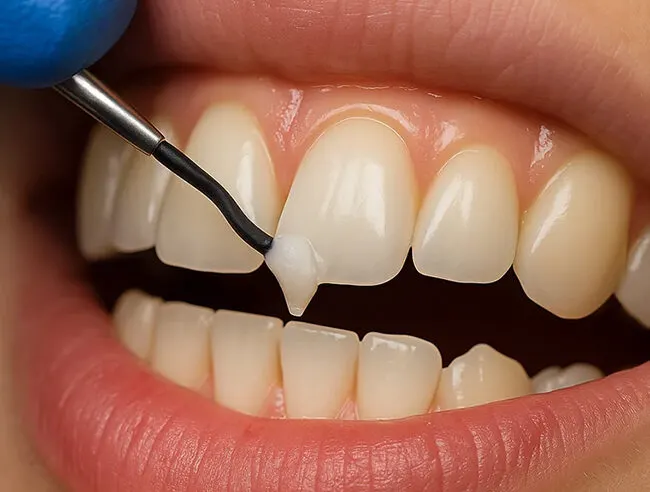
Step 7: Superstructure (Restoration)The tooth, after root canal treatment, is no longer “alive” and is more fragile. Therefore, either a solid filling or a “Porcelain Veneer/Crown” is placed to protect the tooth.
📍 Kahramanmaraş Cuisine and Post-Treatment
It is very normal to experience slight sensitivity when pressure is applied to the tooth for the first 2-3 days after root canal treatment. During this period, we recommend avoiding Kahramanmaraş’s famous Firik (Tarhana Chips), hard nuts, or meat dishes that are difficult to chew.
Eating soft foods such as soup, yogurt, and purees (like the broth of Maraş Paçası) will speed up the healing of the tissues around the tooth.
Root Canal Treatment or Implant? Comparison
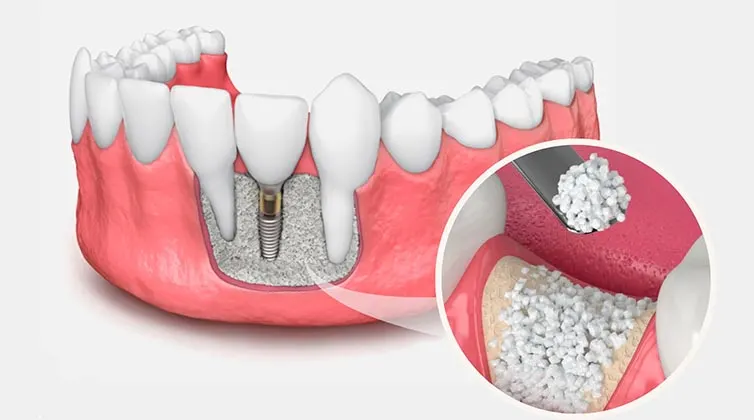
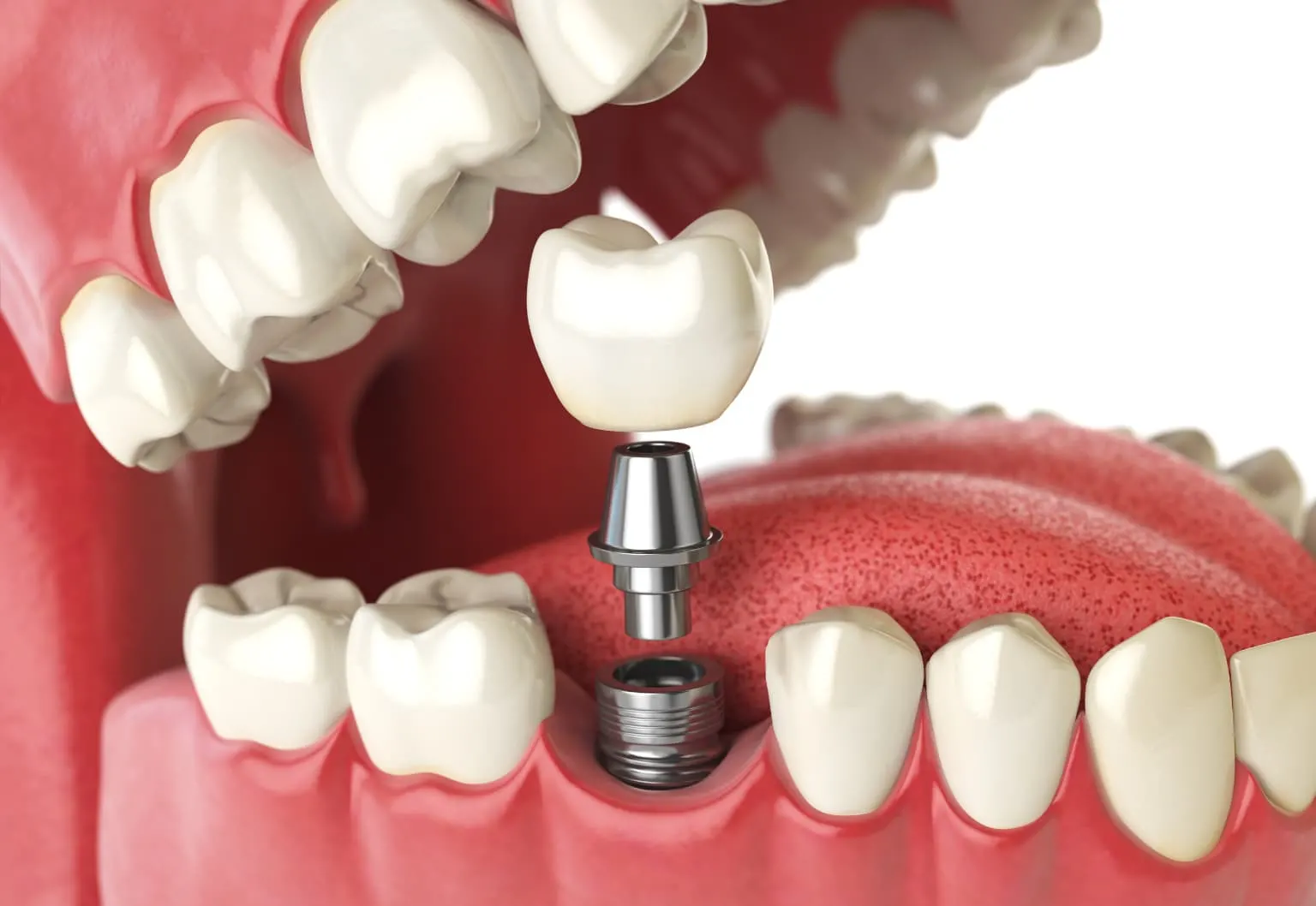
Our patients often say, “Doctor, let’s not bother with it, let’s just pull it out and do an implant.” However, the differences between saving a tooth and losing it are as follows:
| Features | Root Canal Treatment (Tooth Saving) | Tooth Extraction and Implant |
|---|---|---|
| Biological Compatibility | 100% Your Own Tooth. | Artificial Titanium Root. |
| Feeling | ||
| Duration | 1-2 Sessions (1 week). | 3-6 Months (Waiting for bone fusion). |
| Cost | More Economical. | Much more expensive. |
| Aesthetics | Gum alignment is excellent. | Gum shaping It’s difficult. |
🛑 Myth: “A root canal treated tooth is dead, it’s useless.”
Fact: Yes, the nerve inside the tooth has been removed, it doesn’t feel hot or cold. However, the ligaments (periodontal ligaments) that connect the root of the tooth to the jawbone are still alive. Thanks to this, you feel the chewing pressure, and the tooth continues to function by preventing the jawbone from resorbing.
Why Does Root Canal Treatment Fail?
If your pain doesn’t go away for months after root canal treatment, or if there is swelling in the tooth root, failure may be the case. Reasons for this:
-
-
- Extra canals that were overlooked (Some teeth may have 4-5 canals instead of 3).
- Stubborn bacteria remaining at the root tip.
- Leakage of the filling and re-infection of the canals.
- Cracks in the tooth.
-
In such a case, the tooth is not extracted immediately; a “Retreatment” (Root Canal Treatment Repetition) is performed to try to save the tooth once more.
Conclusion: Give Your Tooth Another Chance
Root canal treatment is not a procedure to be feared, it is a miracle of modern dentistry. In Kahramanmaraş, in our clinic equipped with the latest technological equipment, we consider the decision of “extraction” as a last resort.
Your own tooth is the best implant you can have. Instead of losing a painful tooth, you can continue to use it for years, even a lifetime, with a root canal treatment performed by expert hands.