Implant Application in Kahramanmaraş
Dentistry has undergone a revolutionary transition in the last twenty years, shifting from prosthesis-focused approaches to regenerative and implantology-focused approaches. In this context, methods used in the treatment of missing teeth aim not only to fill gaps but also to preserve oral biology and bone structure. Implant application processes in Kahramanmaraş are also carried out within the framework of globally accepted scientific standards, with clinical procedures that prioritize sterilization and technological planning.
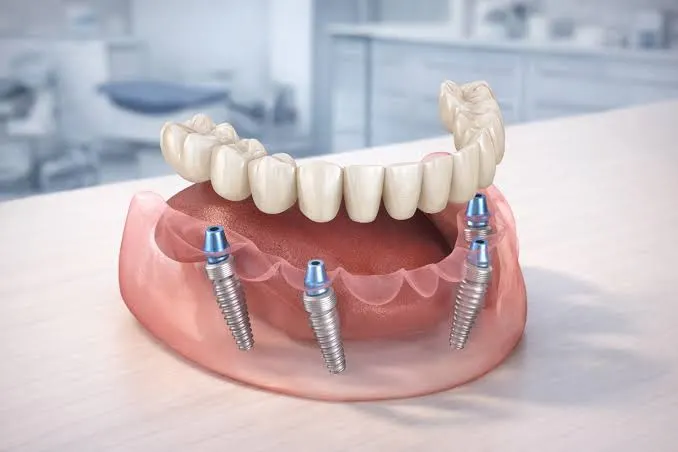
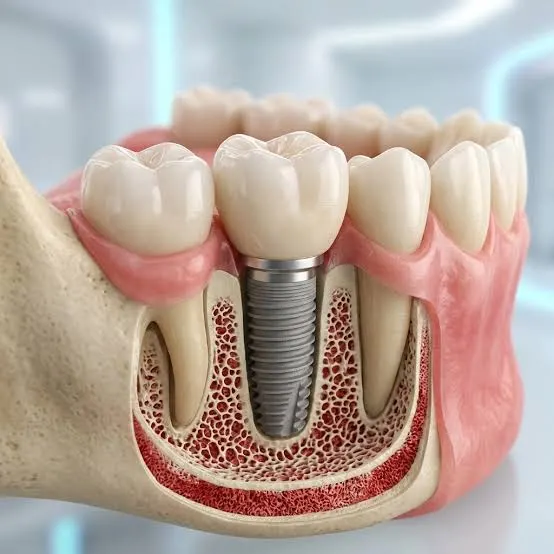
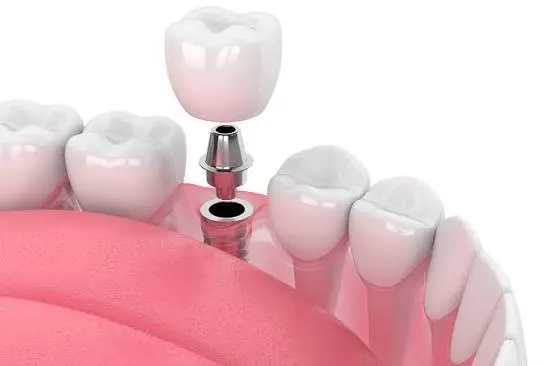
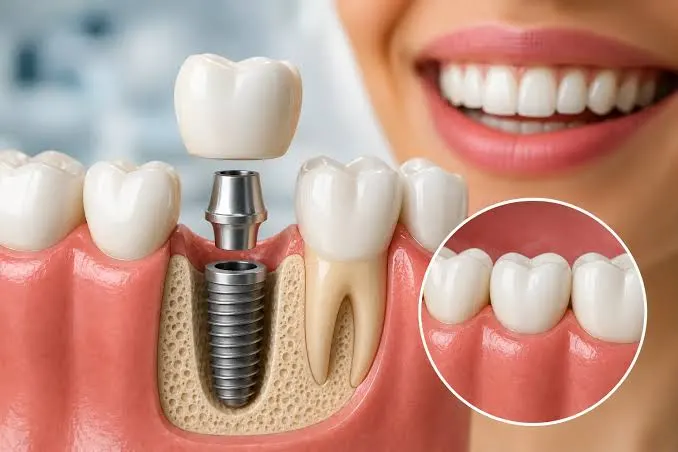
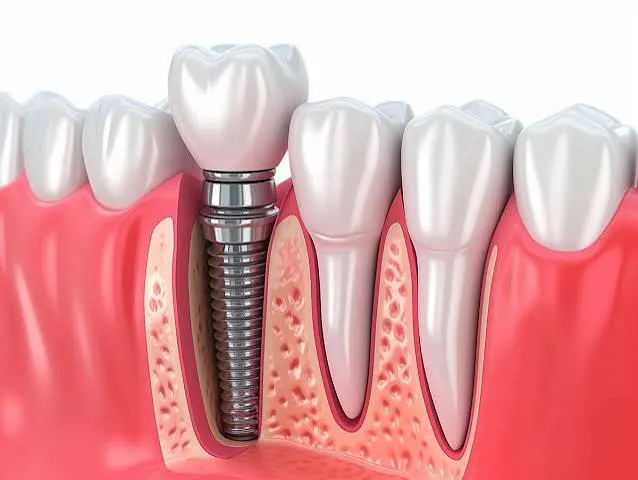
Implant application, simply defined, is the process of placing an artificial tooth root made of titanium into the jawbone. However, this definition is insufficient to describe the complex biological mechanisms at work in the background. The success of the process is based on the principle of “osseointegration,” where living bone tissue surrounds the implant surface and forms a structural bond with it. For patients in the Kahramanmaraş region, the decision-making process for this treatment begins with accessing accurate information.
Pre-Procedure: Radiological Analysis and Personalized Planning
As with any medical intervention, diagnosis constitutes half of the treatment in implant surgery. In competent clinics in Kahramanmaraş, the standard procedure is not limited to just an intraoral examination of the patient. Beyond two-dimensional panoramic X-rays, the use of “Dental Volumetric Tomography” (CBCT) is a factor that directly affects implant success.
Thanks to the tomography data, the physician analyzes the width, height, and most importantly, the bone quality (density) of the jawbone in three dimensions. The location of the nerve bundle (Nervus Alveolaris Inferior) in the lower jaw and the boundaries of the sinus cavities in the upper jaw are determined with millimeter precision. In Kahramanmaraş implant application protocols, this digital planning stage is vital to minimize the risk of complications that may occur during surgery and to ensure that the implant is placed at the most ideal angle.
Surgical Procedure Stages
Implant surgery is performed in operating room conditions where the sterilization chain is meticulously maintained, or in clinic rooms prepared accordingly. Although patients often worry about “pain,” no pain is felt during the procedure because the operation is performed under local anesthesia. The surgical process basically consists of the following steps:
- Anesthesia and Preparation: The area to be treated is numbed with strong local anesthetics. After ensuring patient comfort, the surgical field is isolated with sterile drapes.
- Tissue Management: The gum is opened atraumatically (without damaging the tissue) to reach the bone tissue. In suitable cases, the procedure can be performed without lifting the gum using the “Flapless” (sutureless) technique.
- Slot Creation (Osteotomy): The bone socket where the implant will be placed is prepared in stages with special milling sets. Continuous cooling with saline solution is a critical rule at this stage to prevent the bone from overheating.
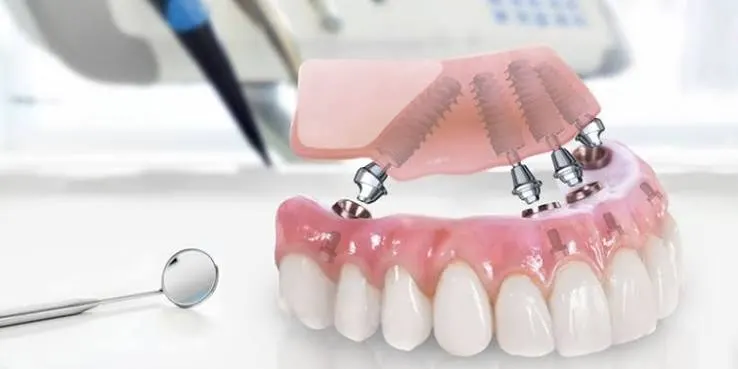
Implant Placement: The titanium implant is placed in the prepared socket with a specific torque force. This force indicates how firmly the implant adheres to the bone (primary stability).
Healing Process and Osseointegration
After the surgical procedure is completed, the implant’s main task begins: integrating with the bone. This process is called “osseointegration.” A microscopic bond forms between the implant surface and bone cells. The most important point that patients should know after implant placement in Kahramanmaraş is that this biological process cannot be rushed. The standard healing time varies between 2-3 months for the lower jaw and 3-4 months for the upper jaw. In advanced surgical cases using bone graft (bone powder), this period can extend up to 6 months. Comparison of Treatment Protocols
The methods used in implant surgery may differ depending on the patient’s bone structure and aesthetic expectations. The table below technically compares the two main protocols applied in the clinic.
.It is very critical for the patient to keep this area clean and not apply chewing force to it.
| Protocol | Application Conditions | Clinical Advantage | Risk Factor |
|---|---|---|---|
| Two-Stage Surgery (Classic Method) | Preferred in cases with standard bone density. The implant is embedded and covered with gum tissue. | The implant is completely protected from the external environment and chewing forces during the healing process. The risk of infection is minimal. | A second minor surgical procedure (gum reshaping) is required for prosthesis fabrication. |
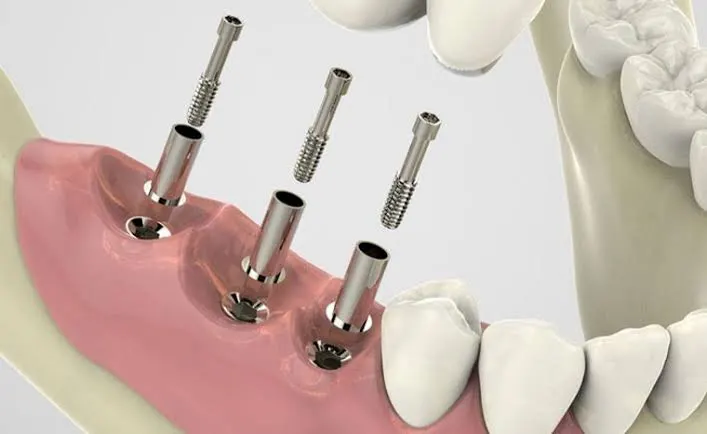
| Single-Stage Surgery (Non-Submerged) | Applied in cases where the bone firmly holds the implant (high primary stability). The healing abutment is attached immediately. | A second surgery is not required; the gum tissue around the implant takes on its natural form during the healing process. |
The first 3-7 days after implant surgery are the period when wound healing is most active. Hard, crusty, very hot, or intensely spicy foods (e.g., strong tarhana, hot soups, spicy kebab derivatives), which are characteristic of Kahramanmaraş cuisine, should not be consumed during this period. Eating warm, soft, and non-grainy foods is the key to surgical success in order to maintain the stability of the implant.
Long-Term Effects of Implant Application
Implants placed with proper planning and successful surgery have the potential to serve for a lifetime. However, this does not mean “no maintenance required”. Bacteria that threaten natural teeth can also threaten implants. Peri-implantitis, a gum disease surrounding implants, can lead to implant loss if oral hygiene is inadequate. Therefore, it is a medical necessity for patients undergoing implant treatment in Kahramanmaraş to have follow-up appointments with their dentist every six months after the operation and to have professional cleanings performed.
In conclusion, implant application in Kahramanmaraş offers the most advanced solution in terms of both aesthetics and function for the rehabilitation of missing teeth. This treatment, which protects the jawbone, does not damage neighboring teeth, and restores the feeling of natural teeth to the patient, significantly improves the quality of life when performed by expert physicians with the correct indications. For your health, choosing healthcare facilities that explain the treatment process with complete transparency, adhere to sterilization rules, and act based on scientific data will be the most appropriate approach.