Kahramanmaraş Implant Application Methods
Tissue-Friendly Maxillofacial Surgery with Digital Guides, Suture-Free Techniques, and Minimally Invasive Approaches at Dentocare Clinic
The Intersection of Biology and Technology: Modern Applications
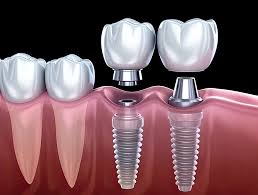
When it comes to the surgical treatment of missing teeth, many of our patients naturally ask, “How exactly will this procedure be performed in my mouth?” While implantology in past years was a rather standard procedure in which the gum tissue was widely opened and the dentist relied on manual estimations, today it has transformed into a fully personalized engineering process thanks to developing three-dimensional medical technologies. In the field of Kahramanmaraş implant application methods, Dentocare Clinic successfully applies atraumatic (tissue-preserving) techniques that are best suited to the patient’s bone structure, aesthetic expectations, and social lifestyle dynamics by integrating current literature and advanced medical technologies into its clinical practice.
Our fundamental philosophy in determining the application method is to preserve the vitality of bone cells at the highest level while placing the titanium artificial root into the jawbone and to increase the healing (osseointegration) potential in that area. The density of the jawbone, the position of the sinus cavities, or whether the patient has a chronic disease directly affect the technique to be applied. The surgical team at Dentocare Clinic prefers minimally invasive (minimum trauma) methods that aim not only to replace a tooth, but also to protect facial anatomy, chewing function, and gum health as a whole.
Prominent Application Techniques in Our Clinical Practice
While restoring your missing teeth to a healthy and permanent structure, the main surgical application methods performed at Dentocare Clinic that maximize patient comfort are as follows:
- Suture-Free (Flapless / Closed) Implant Application
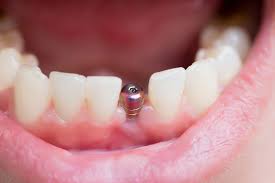
This is the most comfortable method preferred when the patient’s jawbone thickness is suitable. The gum tissue is not cut open with a scalpel. The bone is reached directly by removing only a round piece of tissue the diameter of the implant (approximately 3–4 mm). Since there is no incision or suture, complaints such as post-operative swelling (edema), bleeding, or discomfort are almost never experienced. - Digital Surgical Guide Application
This is the computer-assisted form of the procedure. Based on data obtained from 3D tomography, a transparent guide adapted to the patient’s jaw model is produced. This guide is placed in the patient’s mouth during the operation. The dentist’s drill advances only at the angle and depth determined by the computer. The risk of damaging nerves or sinuses is anatomically reduced to zero. - Same-Day (Immediate) Implant and Loading Application
This is especially applied in cases of aesthetic loss in the front region or urgent extractions due to trauma. The implant is placed into the extraction socket of the tooth in the same session, and a temporary fixed tooth is attached on top on the same day. The patient does not have to leave our clinic with a toothless appearance. - All-on-4 and All-on-6 Concept Applications
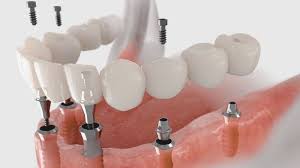
In patients with complete edentulism (no teeth at all) or those whose remaining teeth will all be extracted, 4 or 6 implants are placed at specific angles in the front regions where the bone is strongest. Without the need for advanced bone grafting procedures, fixed (non-removable) screw-retained prostheses are applied to the patient on the same day.
Traditional Methods and Dentocare’s Modern Approaches
Our patients often wonder, “What is the concrete benefit of these new techniques for me?” You can transparently review the medical differences between the advanced application methods adopted by our clinic and older standard approaches in the table below:
| Application Criterion | Dentocare Minimally Invasive Methods | Traditional / Standard Methods |
|---|---|---|
| Tissue Integrity (Incision) | Thanks to digital planning, frequently incision-free, bloodless, and suture-free closed surgery. | Wide opening of the gum tissue with a scalpel (flap) in order to see the bone during the procedure. |
| Determination of Angle and Position | Millimetric depth and direction determination with surgical guides. (Zero error) | Free-hand guidance based on the dentist’s manual experience and real-time observation. |
| Healing Comfort | Since the tissue is not damaged, post-procedural discomfort, edema, and bruising are minimal. | Due to open incisions, swelling and sensitivity are possible during the 48 hours after the operation. |
| Return to Social Life | In most cases (especially immediate loading), return to normal life on the same day or the next day. | A careful period of about one week is required for suture removal and tissue healing. |
Post-Application Integration and Natural Biology
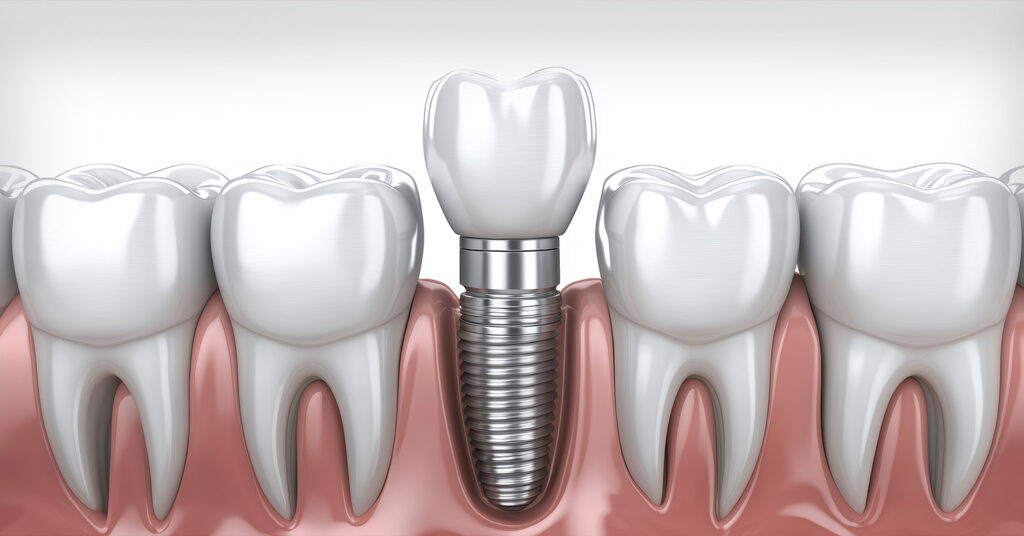
Regardless of which method is applied, for a successful surgical process to be completed, your jawbone must accept the titanium material (osseointegration). At Dentocare Clinic, our greatest responsibility is to accelerate this biological acceptance process and reduce tissue stress through the advanced surgical techniques we use. The success of the applied method is completed by the care you show in your oral hygiene during the post-operative period.
Following the prescription given by our dentists exactly, applying cold compresses during the first days, staying away from tobacco products, and paying attention to interdental cleaning will ensure that your new teeth serve you healthily for decades. We decide together which application is right for you after carrying out a three-dimensional analysis of your jaw structure.