Kahramanmaraş Implant Dental Health
Scientific Care Protocols at Dentocare Clinic to Keep Your Titanium Roots and Gums Healthy for a Lifetime
Life After Implants: Biological Compatibility and the Responsibility of Care
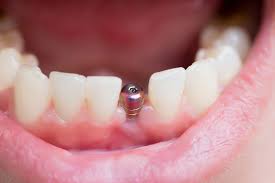
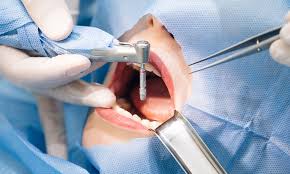
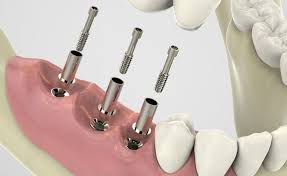
Implant surgery, the most advanced reconstructive method modern medicine offers for replacing missing teeth, provides patients with comfort virtually identical to that of natural teeth when completed successfully. However, there is a very well-known fact in the medical world: the success achieved on the operating table alone is not sufficient for that treatment to remain in the patient’s mouth for a lifetime. As one of the reference clinics in Kahramanmaraş implant dental health and maintenance (long-term care) protocols, Dentocare Clinic not only provides its patients with a new dental structure, but also instills a detailed culture of health regarding how this new structure should be preserved within the biological cycle.
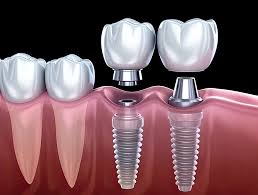
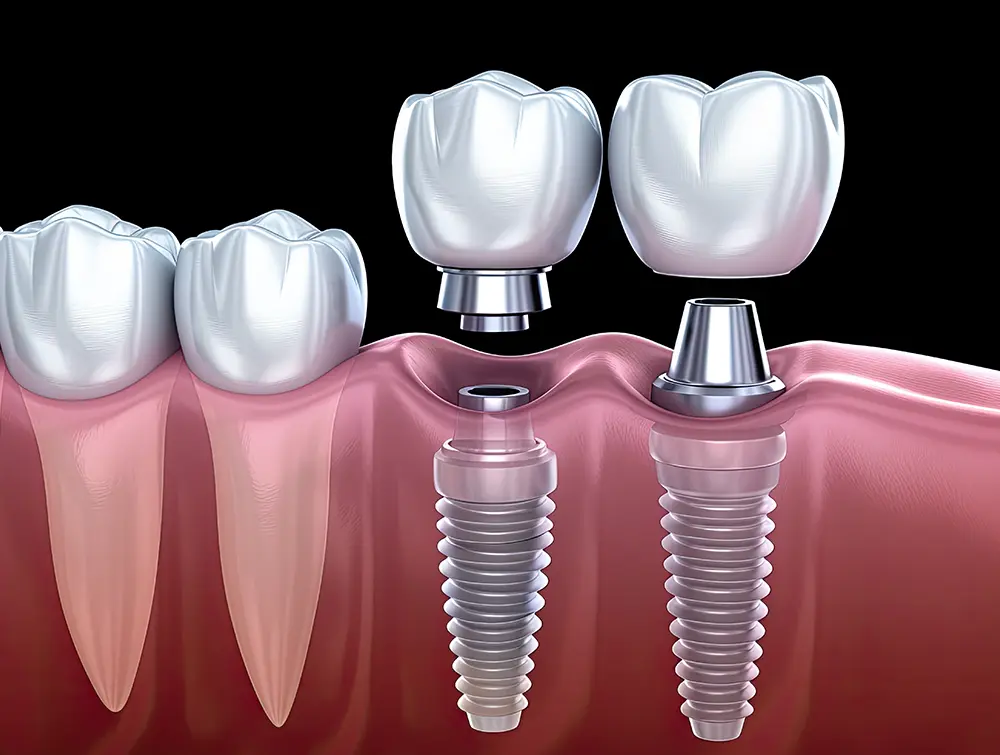
Many of our patients may fall into the extremely dangerous misconception that “since an implant is an artificial material, it does not decay, and therefore it does not need care.” Yes, the high-purity titanium root or the zirconia porcelain placed on top of it does not decay from bacterial acids. However, the jawbone and gum tissue (peri-implant tissues) surrounding and protecting that artificial root like a shield are completely alive. Neglecting oral hygiene can directly lead to disease in these living support tissues and ultimately to the loss of the implant. For this reason, implant dental health is, in fact, the art of preserving the health of the surrounding tissues.
The Greatest Enemy Threatening Implant Dental Health: Peri-Implantitis
In our natural teeth, insufficient brushing leads to bleeding and inflammation in the gums (gingivitis). The equivalent of this in implant-supported teeth is “Peri-implant Mucositis” (inflammation of the gum only) and its more advanced stage, “Peri-implantitis” (bone loss around the implant). Microbial dental plaque, formed by the combination of saliva, food residues, and bacteria, settles around the neck of the implant and releases toxins. Over time, this plaque hardens into tartar (calculus) if not removed. If this process is not controlled, the jawbone gradually begins to resorb away from the titanium screw.
Golden Rules for a Long-Lasting Implant
Dentocare Clinic specialists recommend that you make the following daily hygiene protocols a part of your life in order to protect yourself from peri-implant diseases and maintain your oral health at the highest level:
- Qualified and Regular Brushing
Brushing should be performed at least twice a day with a medium-soft toothbrush (preferably rechargeable/electric toothbrushes are more effective in plaque removal), using gentle sweeping motions from the gum line toward the tooth. That delicate neck area where the implant meets the gum is the most susceptible area for bacterial accumulation. - Use of Interdental Brushes and Dental Floss
A normal toothbrush cannot reach the side surfaces of implant-supported prostheses. The underside of bridge bodies or the spaces between two teeth can only be cleaned with “interdental brushes” or thick/spongy dental floss specially designed for implants (superfloss). - Support from an Oral Irrigator (Water Flosser)
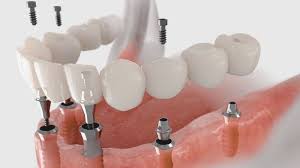
Especially in full-arch prostheses with multiple implant systems such as All-on-4 or All-on-6, oral irrigators that massage the base of the prosthesis with pressurized water and clean food particles at a micro level are strongly recommended by our clinical specialists. - Avoiding Tobacco Products
Due to the toxic substances and heat it contains, smoking slows down blood circulation in the mouth. Gums that are not adequately nourished cannot protect the implant against bacteria. Smoking increases the risk of implant failure far more than in natural teeth.
Comparison of the Health Dynamics of Natural Teeth and Implants
To better understand the biological nature of implants, we have transparently compared the health of our natural teeth and the health of artificial roots in the clinical table below:
| Health Criterion | Natural Tooth Biology | Implant (Titanium) Biology |
|---|---|---|
| Risk of Decay (Cavity) | Acidic foods and bacteria dissolve natural enamel and cause decay. | Titanium and porcelain do not decay and are not perforated by acid. |
| Attachment and Blood Supply | There are flexible fibers (periodontal ligament) and an intense vascular network around the root. | It attaches directly to the bone without flexibility or movement (ankylosis), and the vascular network is weaker. |
| Progression of Inflammation | Bacterial attack is slowed down by flexible fibers, and inflammation progresses more slowly. | Since there are no protective fibers, inflammation can reach the bone more quickly and cause bone loss. |
| Cleaning Requirement | Brushing and standard dental floss may be sufficient for general protection. | Much more specific and careful cleaning is required with brushing, oral irrigators, and interdental brushes. |
Dentocare Clinic Routine Check-Up and Maintenance Program
The sustainability of implant dental health depends not only on the patient’s effort at home, but also on the professional interventions carried out by the clinic. At Dentocare Clinic, every patient whose treatment is completed is included in a “Long-Term Maintenance Program.” Our goal is for our patients to visit our clinic every 6 months even if they have no complaints.
During these routine check-ups, the implant levels in the jawbone are examined radiographically (with X-rays) on a millimetric basis. Stubborn tartar (dental calculus) and plaque deposits that accumulate in areas where home brushing is insufficient are removed with special Teflon- or carbon-tipped instruments that do not scratch the implant surface. It is also checked whether there is any loosening in the screws of the prosthesis, and chewing (occlusion) balance is readjusted. For us, the success of a treatment is proven not on the day of surgery, but on that follow-up day years later when you return to our clinic with a healthy, problem-free, and radiant smile.