Dental Implants in Kahramanmaraş
Oral and dental health is a dynamic structure that directly affects not only an individual’s eating habits but also their speech ability (phonation), facial aesthetics, and overall psychological state. Tooth loss is a physiological trauma that leads to resorption (erosion) in the jawbone and reduces chewing efficiency. In today’s dental literature, “dental implant” applications, considered the most advanced and tissue-friendly method for replacing lost teeth, are also applied in modern clinics in the Kahramanmaraş region according to international standards.
For individuals seeking dental implant treatment in Kahramanmaraş, accessing accurate information is critically important for the healthy management of the process. An implant is not just a matter of inserting a “screw”; it is a serious medical procedure that combines biomechanical and surgical disciplines and requires detailed planning.
What are Dental Implants and How Do They Work?
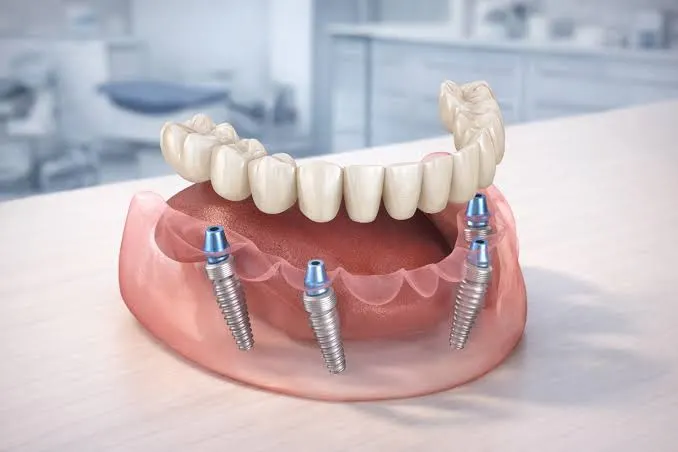
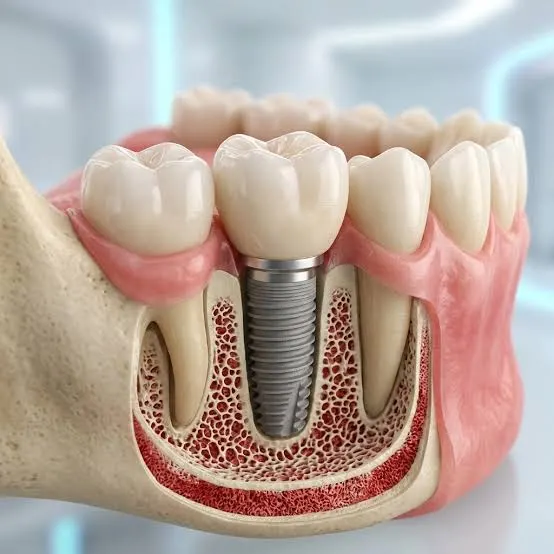
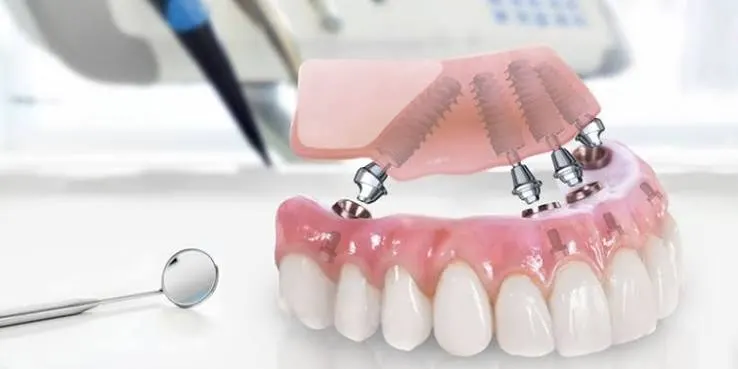
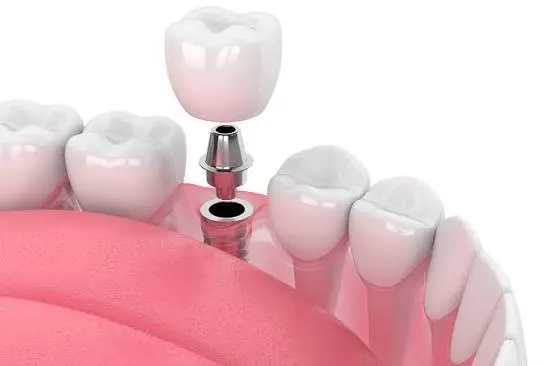
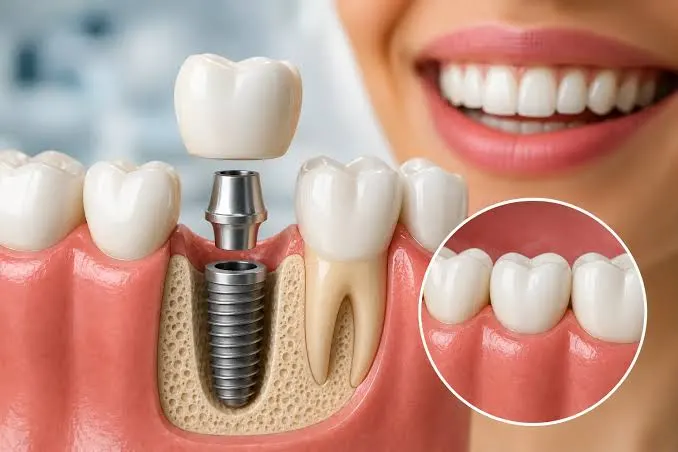
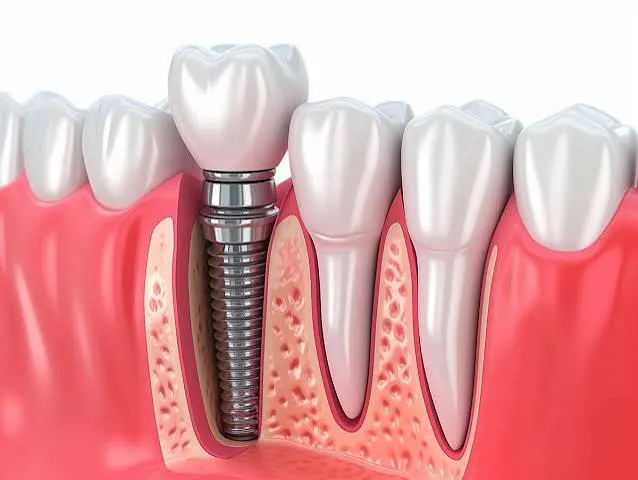
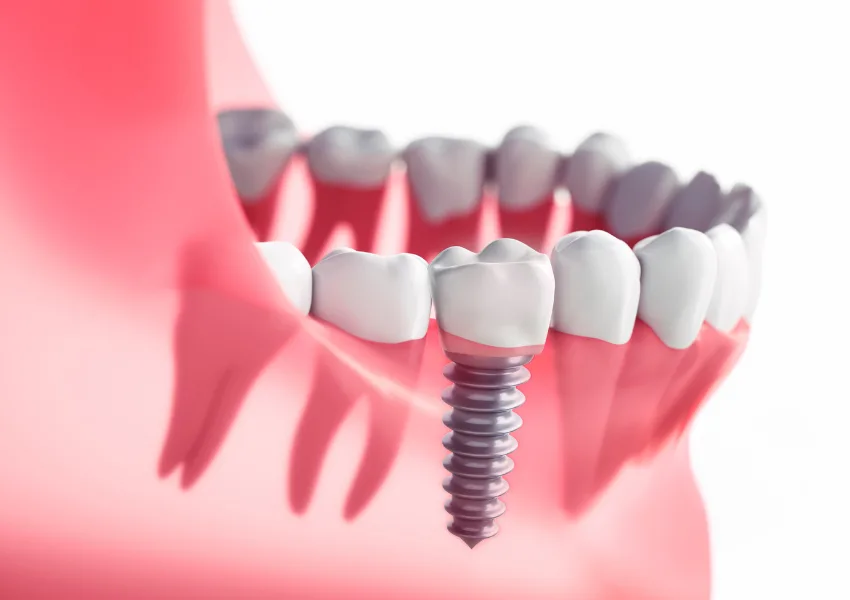
Dental implants are artificial roots, usually made of biocompatible (tissue-friendly) materials such as titanium or zirconium, that are placed in the jawbone to mimic the root portion of missing teeth. The main reason titanium is preferred in the medical world is that it is not perceived as a foreign substance by the human body and has a perfect fusion ability with bone tissue called “osseointegration”.
This fusion process is the most fundamental factor determining the success of the treatment. After the implant is placed, bone cells (osteoblasts) at a microscopic level attach to the implant surface and make the implant a part of the jawbone. In this way, a solid and strong foundation is created for the porcelain or zirconium teeth that will be placed on it.
Treatment Process: Scientific Stages and Protocols
Implant treatment is not a simple procedure decided and performed in a single day, but rather a whole set of processes that follow a specific protocol. The standard treatment protocol applied in Kahramanmaraş generally includes the following stages:
1. Radiological Examination and Three-Dimensional Planning
Each patient’s bone structure is unique, like a fingerprint. Therefore, treatment begins with a detailed clinical examination and radiological imaging. In addition to panoramic X-rays, the use of “Dental Volumetric Tomography” (3D imaging) is currently the gold standard to minimize surgical risks. In this stage, the height, width, and quality of the bone are measured; the location of nerve canals and sinus cavities is determined.
2. Surgical Operation
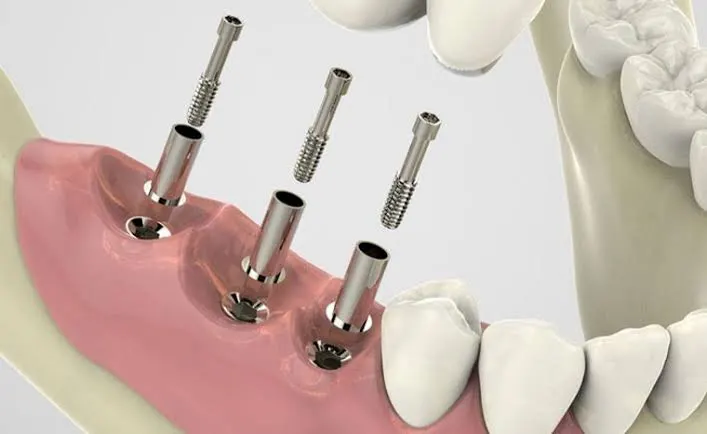
In the surgical stage, performed under local anesthesia, the gum is opened, a suitable socket for the implant is prepared in the jawbone, and the implant is placed. The patient does not feel any pain during the procedure. The surgical time can vary from 15 minutes to several hours depending on the number of implants to be placed.
3. Healing (Osseointegration) Period
This is the biological waiting period required for the implant to integrate with the bone. This period averages 2-3 months for the lower jaw and 3-4 months for the upper jaw. If bone graft application has been performed, the period can be extended up to 6 months. During this period, patients can generally maintain their aesthetic and functional comfort with temporary prostheses.
Comparison of Traditional Methods and Implant Treatment
One of the most frequently asked questions by patients is why they should prefer implants instead of bridge prostheses. The table below compares these two treatment methods from medical and functional perspectives.
| Features | Dental Implant Treatment | Traditional Bridge Prosthesis |
|---|---|---|
| Condition of Adjacent Teeth | Adjacent teeth are not touched, they are protected. | Adjacent teeth need to be cut (reduced) for support. |
| Bone Health | Activates bone, prevents resorption. | Bone in the extraction socket continues to resorb over time. |
| Chewing Strength | Provides chewing performance closest to natural teeth. | Chewing force is lower compared to natural teeth. |
| Hygiene | Can be cleaned individually with dental floss. | Cleaning the underside of the body requires special equipment. |
| Long-Term Cost | Initial cost is high, but it is economical with lifelong use. | May need to be replaced at certain intervals. |
Implant and Patient Compliance in Kahramanmaraş Region
The success of implant treatment depends not only on the surgeon’s surgical skill but also on the patient’s general health and post-treatment care. It depends. Especially in regions with a rich culinary culture like Kahramanmaraş, patients need to pay attention to their nutritional habits during the recovery period.
Important Information:
Patients with uncontrolled diabetes (sugar), those who have received radiotherapy to the head and neck region, those using bisphosphonate group drugs, and those with severe conditions…Smokers are at risk for implant treatment. In these cases, physician consultation and special preparation processes are mandatory.
Post-Treatment Considerations
After successful surgery, the longevity of the implant is directly proportional to the care the patient takes. A condition called “peri-implantitis,” which results in inflammation of the gums around the implant, is usually caused by inadequate oral hygiene. The key points to consider after implant surgery are as follows:
- Oral Hygiene: Brushing your teeth at least twice a day, as well as using dental floss and an oral irrigator, is essential to prevent plaque buildup.
- Smoking: Smoking is absolutely not recommended, especially during the initial healing period, as it delays wound healing and increases the risk of infection.
- Routine Check-ups: Even without any complaints, a dental check-up should be done every 6 months to check the health of the tissues around the implant and the fit of the prosthesis.
- Nutrition (Initial Period): In the first few days after surgery, very hot, very cold, and hard foods should be avoided; the soft diet program recommended by the doctor should be followed.
Conclusion
Dental implant applications in Kahramanmaraş are a scientifically proven, reliable, and aesthetically pleasing treatment method for the rehabilitation of missing teeth. Because it protects the jawbone, avoids damaging neighboring teeth, and offers comfort close to that of natural teeth, it is an indispensable part of modern dentistry. However, as with any medical procedure, accurate diagnosis, strict adherence to sterilization rules, and working with an experienced team of dentists are essential. Before deciding on treatment, undergoing a detailed examination and understanding your personalized treatment plan is the best way to achieve a healthy smile.