Kahramanmaraş Implant Dentist
Trusted Communication, Medical Experience, and Advanced Surgical Vision at Dentocare Clinic
The Critical Role of the Dentist and Manual Precision in Implantology
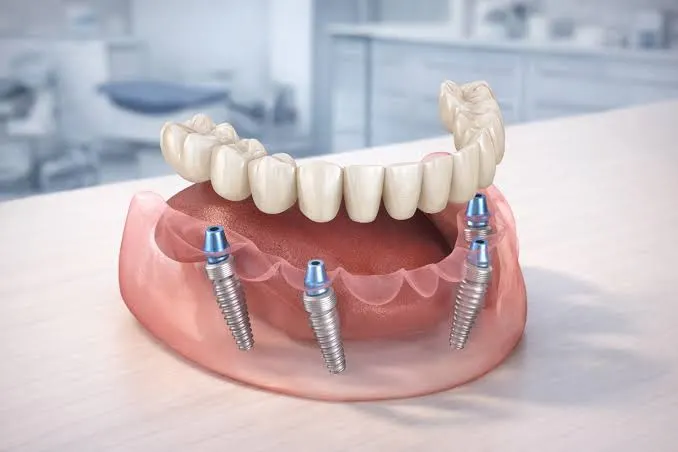
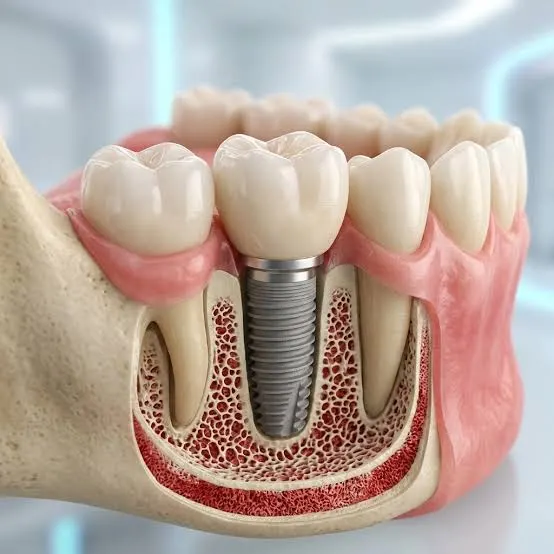
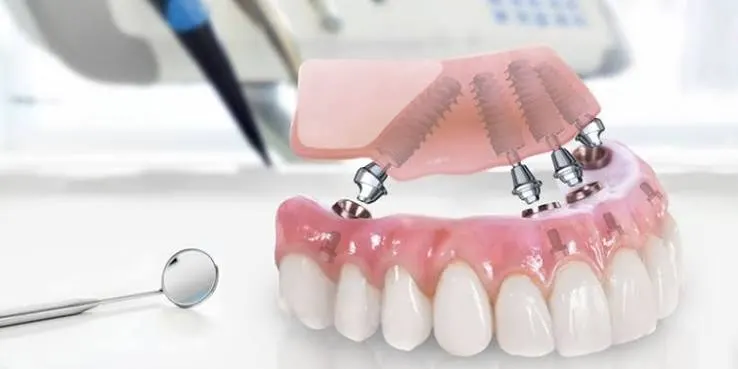
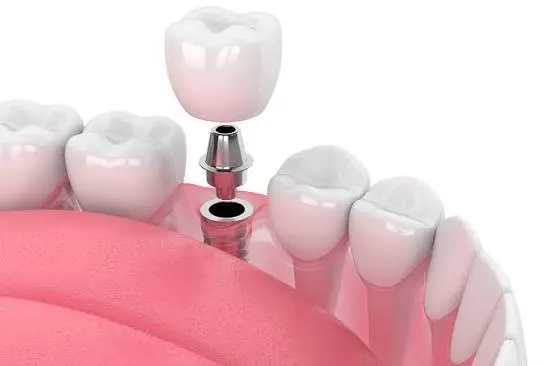
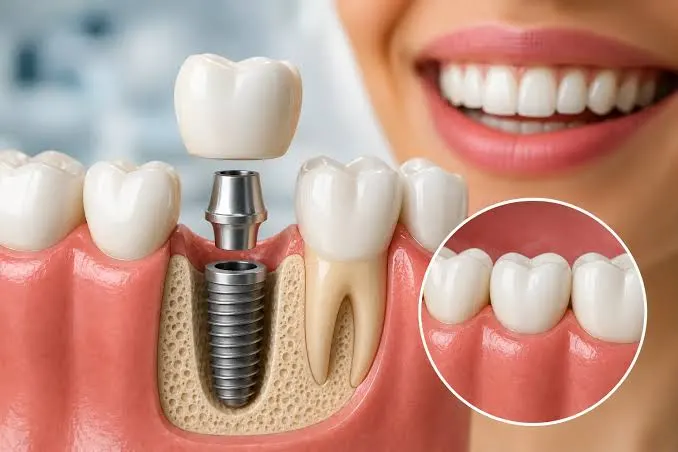
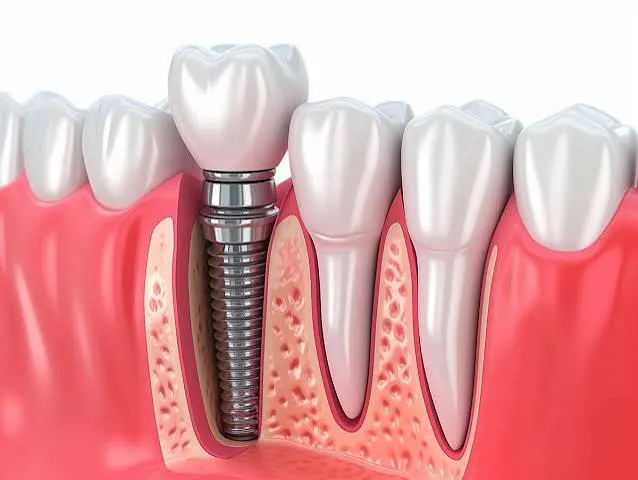
In dental practice, the success of a treatment is not solely determined by the quality of the biocompatible material used (titanium or zirconium); it is directly proportional to the knowledge, manual precision, and clinical vision of the dentist who processes that material and integrates it into the patient’s biological structure. Dental implantation, which involves placing an artificial root into the jawbone, is a complex surgical procedure that requires millimetric calculations. Therefore, patients seeking a Kahramanmaraş implant dentist are not only looking for a clinic, but also for a trusted partner with whom they feel safe, believe in their surgical expertise, and can establish transparent communication throughout the entire process. Dentocare Clinic dentists provide evidence-based, scientific, and personalized reconstructive treatments by placing each patient’s anatomical reality and psychological expectations at the center of care.
A dentist’s competence in implantology is not only revealed during the placement of the implant into the jawbone; it is also evident in the three-dimensional analyses performed before the operation, the grafting (bone augmentation) procedures applied in cases of insufficient bone, and the aesthetic shaping of the gum tissue surrounding the implant. The Dentocare Clinic team demonstrates maximum respect for tissue when working around critical anatomical areas such as the maxillary sinus cavities and mandibular nerve pathways. The cellular response of the human body to titanium (osseointegration) depends on how atraumatic (tissue-preserving) the procedure is performed. The surgical discipline of our dentists ensures a comfortable healing process and allows the implant to function healthily in the mouth for many years.
What to Consider When Choosing the Right Implant Dentist
When making a lifelong investment in replacing missing teeth, it is crucial that the dentist performing the treatment possesses certain clinical and communicative competencies. The core criteria adopted by Dentocare Clinic dentists—and which patients should look for—are as follows:
- Holistic Treatment Planning
An experienced dentist does not focus solely on the missing tooth; they evaluate the patient’s jaw joint (TMJ), chewing muscles, systemic conditions (such as diabetes or hypertension), and overall oral hygiene as a whole. - Advanced Surgical and Soft Tissue Management
Bone loss is frequently observed in cases where time has passed since tooth extraction. The dentist’s expertise in advanced surgical techniques such as sinus lifting and bone augmentation (grafting) directly influences the course of treatment. - Transparent, Ethical, and Realistic Communication
Exaggerated promises in medical procedures are contrary to medical ethics. A reliable dentist openly shares the treatment process, potential anatomical risks, healing timeline, and alternative prosthetic options with the patient.
The Impact of the Dentist’s Approach on the Treatment Process
Even when the same high-quality implant brand is used, the dentist’s approach can fundamentally change both the comfort of the procedure and the long-term success of the treatment. You can review the difference between the Dentocare Clinic dentists’ principle of “Informed Patient and Respect for Tissue” and conventional clinical approaches in the table below:
| Clinical Stages | Dentocare Dentist Approach | Conventional Approach |
|---|---|---|
| Pre-Evaluation and Diagnosis | Millimetric bone analysis with 3D tomography and a thorough review of systemic medical history are performed. | Often limited to 2D X-rays, with a superficial evaluation of systemic conditions. |
| Surgical Intervention Style | Atraumatic (minimally invasive) surgery is performed using digital guides to minimize tissue trauma. | Free-hand surgery based on manual experience is applied, and tissue healing may take longer. |
| Dental Phobia and Anxiety Management | The entire process is explained in detail beforehand, and surgery does not begin until the patient feels psychologically comfortable. | Focus is primarily on completing the technical procedure rather than psychological preparation. |
| Post-Operative Follow-Up | The healing phase is closely monitored, with personalized oral care education and dietary guidance provided. | The process may end with a prescription, leaving long-term care largely to the patient’s initiative. |
Patient Comfort and Overcoming Dental Anxiety
When it comes to implant surgery, many patients postpone their treatment due to “dental phobia” (fear of the dentist), allowing further deterioration of their bone structure. One of the key distinctions of Dentocare Clinic dentists is their empathetic ability to manage this anxiety. At our clinic, listening to patients’ concerns and explaining the process in clear, non-technical language is the first step of the surgical procedure.
Thanks to advanced local anesthesia techniques and high sterilization standards, implant placement is far more comfortable and virtually painless than commonly assumed. Our dentists use delicate techniques to minimize post-operative swelling and sensitivity. Once the healing process is complete and your permanent prostheses—feeling just like your natural teeth—are placed, you will rediscover the joy of smiling with confidence alongside your dentist.