Kahramanmaraş Implant Dentistry
Dentocare Clinic: An Advanced Multidisciplinary Dental Center Where Maxillofacial Surgery, Periodontology, and Biomaterial Science Intersect
Beyond a Treatment: The Science of Implant Dentistry
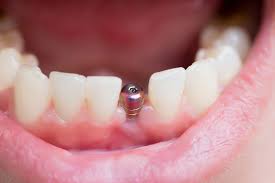
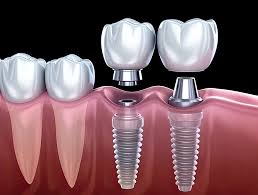
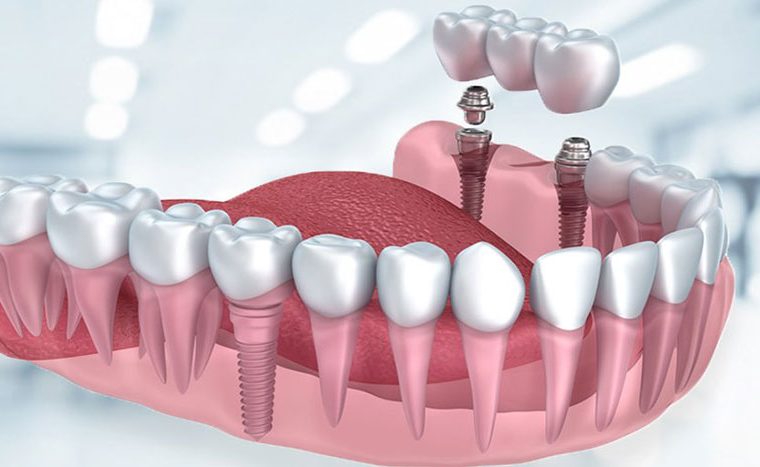
Throughout history, the replacement of missing teeth has been one of the most researched topics in medicine. This long journey, ranging from removable dentures to bridges that required the reduction of adjacent teeth, has evolved into a refined scientific discipline with the discovery of the cellular bond (osseointegration) formed between titanium and human bone. Today, when we speak of Kahramanmaraş implant dentistry, it should not be seen merely as placing a screw into the jaw, but as a vast multidisciplinary science that combines jaw anatomy, biomechanics, tissue engineering, and aesthetics. Guided by this science, Dentocare Clinic provides its patients not just temporary restorations, but biological infrastructures designed to function for a lifetime.
Implant dentistry (Implantology) is a specialized field that goes beyond the routine boundaries of general dentistry. While filling a decayed tooth involves the crown (visible part), implant surgery directly concerns the alveolar bone (jawbone), maxillary sinuses, nerve networks, and peri-implant soft tissues (gums). Therefore, a successful implant clinic must possess not only surgical tools but also advanced radiological equipment capable of interpreting bone physiology and a visionary medical team that can process this data effectively.
Multidisciplinary Approach: The 4 Pillars of Implantology
Every implant treatment performed at Dentocare Clinic is planned not from a single perspective, but through the integrated collaboration of different dental specialties. The four fundamental pillars that demonstrate how this science is practiced in our clinic are as follows:
- 1. Advanced Oral and Maxillofacial Surgery
This is the foundation of the process. Correct three-dimensional placement of the implant, reconstruction of insufficient bone volumes with grafts (bone powder), and sinus floor elevation procedures fall under this discipline. In our clinic, these procedures are carried out using tissue-respectful (minimally invasive) principles. - 2. Periodontology (Gum and Supporting Tissue Science)
An implant does not only anchor to the bone; it also emerges through the gum into the oral environment. The thickness, health, and aesthetic shaping of the gum tissue (peri-implant mucosa) surrounding the titanium root form the most critical biological barrier ensuring long-term success. - 3. Prosthodontics (Prosthetic Dentistry)
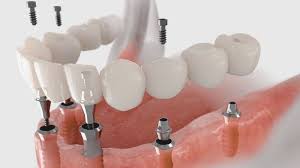
This discipline focuses on designing the “tooth” that will be placed on an implant that has successfully integrated with the bone. The proper transmission of chewing forces to the jaw joint (TMJ), the aesthetic harmony of porcelain or zirconia restorations with the patient’s facial profile, and occlusal balance represent engineering excellence in this field. - 4. Oral Radiology and Digital Dentistry
This is the science that eliminates surprises before surgery. Transferring the patient’s anatomical structure into a digital environment using 3D Volumetric Tomography (CBCT) data and producing “Surgical Guides” with 3D printers are the clearest distinctions between traditional dentistry and modern implantology.
Comparison of Traditional Dentistry and Implant Dentistry
Patients seeking to replace missing teeth often need scientific guidance when choosing between traditional methods such as bridges or dentures and modern implantology. You can review the fundamental structural differences between these two approaches from an academic perspective in the table below:
| Medical Approach and Outcomes | Implant Dentistry (Dentocare Approach) | Traditional Dentistry (Bridge/Denture) |
|---|---|---|
| Jawbone Physiology | Acts as a root, providing mechanical stimulation to the bone and preventing resorption (atrophy). | Since no mechanical stimulation is transmitted to the bone, physiological bone loss continues in the edentulous area. |
| Biomechanical Force Distribution | Transmits chewing forces directly and evenly to the underlying jawbone. | Transfers force to adjacent supporting teeth or tissue surfaces (palate), causing overload. |
| Conservative Treatment Approach | The edentulous area is treated independently, preserving 100% of the enamel of adjacent healthy teeth. | Healthy adjacent teeth must be permanently reduced (cut) to support the treatment. |
| Long-Term Biological Longevity | Can function for a lifetime with proper oral hygiene and clinical maintenance programs. | May require replacement every 7–10 years due to decay in supporting teeth or tissue collapse. |
The Evolution and Safety of Biomaterials in Medicine
The success of implant dentistry is based on the discovery of “biomaterials” that are not rejected by the human body. All implant roots used at Dentocare Clinic are manufactured from high-purity titanium alloys, which provide the highest biological compatibility with human bone and are also used in the aerospace industry. The natural oxide layer formed on titanium when it comes into contact with oxygen allows bone cells (osteoblasts) to recognize and integrate with the material as if it were their own tissue. For prosthetic superstructures, advanced ceramic and zirconia technologies are used, eliminating the disadvantages of metal while providing natural aesthetics with excellent light transmission and gum compatibility.