Implant Lifespan in Kahramanmaraş
Dental implant treatments, applied for the rehabilitation of missing teeth in oral and dental health, are generally considered by patients as a high-cost and long-term investment. Therefore, the most fundamental and justified question in the minds of patients who consult dentists in the Kahramanmaraş region is: “How long will this implant last?” or “Will these teeth stay with me for life?”. The answer to these questions is too complex to be expressed with a single number because the lifespan of the implant depends on a wide chain of variables ranging from the quality of the material used to the surgeon’s competence, from the patient’s systemic health status to daily oral care habits.
The Concept of “Implant Lifespan”: Physical Durability vs. Biological Compatibility
When discussing implant lifespan, it is necessary to distinguish between two different concepts: the physical lifespan of the implant (the titanium that forms the screw) and the functional (biological) lifespan of the implant in the mouth.
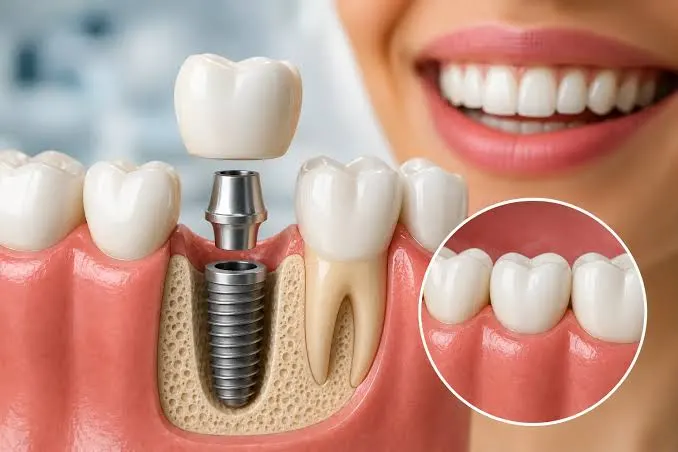
From a physical standpoint, dental implants are manufactured from “Titanium Grade 4” or “Grade 5” alloys. These metals are extremely corrosion-resistant, very difficult to break, and are biologically neutral. This means that, according to the laws of physics, it is impossible for an implant to rust, decay, or fail in situ within the jawbone. Theoretically, a titanium screw could remain intact for hundreds of years.
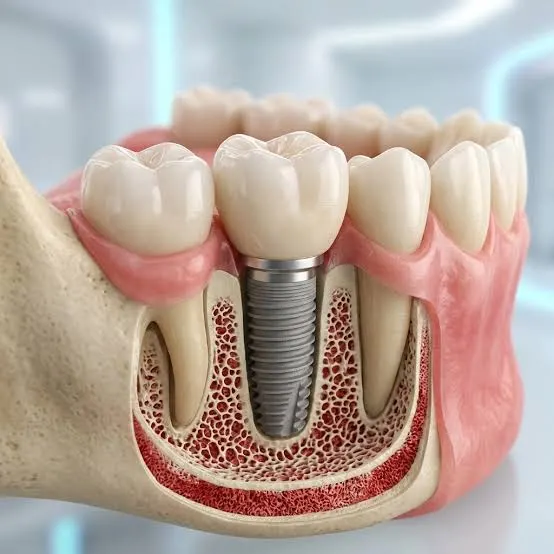
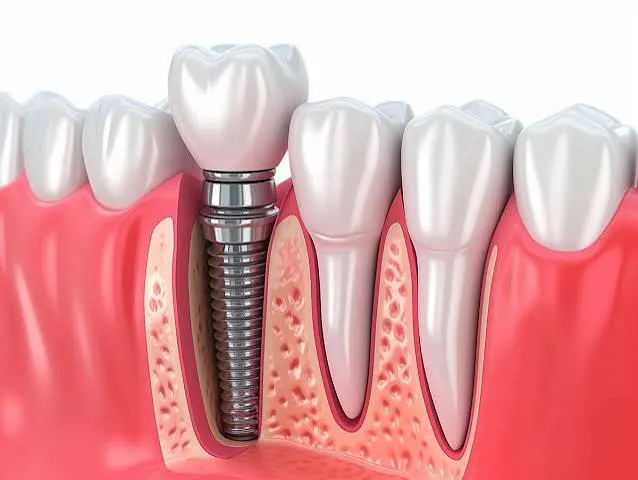
However, what is important for patients is “Biological Lifespan.” This is the length of time the implant can withstand chewing forces while anchored in the jawbone. This lifespan depends not on the implant itself, but on the health of the bone and gum tissue surrounding it. No matter how strong the implant is, if the bone holding it erodes (resorbs), the implant is lost. Therefore, “implant lifespan” actually means “the length of time the health of the surrounding tissues is maintained.”
Critical Factors Determining Implant Lifespan in Kahramanmaraş
For an implant to remain in the mouth for many years, even a lifetime, all three legs of the tripod must be sound: Physician, Patient, and Material. The factors that stand out in clinical practices and patient feedback in Kahramanmaraş are:
1. Quality of Osseointegration (Bone Fusion)
The first and most important step determining the lifespan of the implant is the surgical stage. The “Primary Stability” (initial compression) obtained at the moment the implant is placed in the bone and the cellular fusion (Osseointegration) that occurs during the subsequent 3-6 month healing period form the basis of the implant. If a sterilization error occurs at this stage, if the bone overheats, or if the implant is placed at the wrong angle, the lifespan of the implant is shortened or ends before it even begins.
2. Prosthetic Design and Occlusion
The contact (bite/occlusion) of the porcelain tooth placed on the implant with the opposing teeth is of vital importance. If the prosthesis puts an unbalanced or excessive load on the implant during chewing, micro-fractures and resorption will begin in the bone around the implant over time. This situation is called “biomechanical overload” and is one of the most insidious causes of implant loss.
3. Special Nutritional Habits of the Kahramanmaraş Region
Regional factors have a greater impact on implant lifespan than we think. The indispensable foods of Kahramanmaraş cuisine; hard tarhana (firik), nuts such as pistachios and walnuts, and dense foods apply significant forces to the teeth and implants during chewing.
Comparison of Natural Tooth and Implant Lifespan
To manage patient expectations, it is useful to compare the durability and risk profiles of natural teeth and implants:
vote.With good care, 20+ years or a lifetime (Literature data).
| Features | Natural Tooth | Dental Implant |
|---|---|---|
| Risk of Decay | Yes, enamel and dentin can decay. | No, titanium and porcelain do not decay. |
| Gum Disease | There is a risk of periodontitis (gum recession). | There is a risk of peri-implantitis (inflammation around the implant). |
| Force Absorption | Absorbs impact thanks to flexible fibers. | Does not stretch, transmits the impact directly to the bone. |
| Maintenance Needs | Standard brushing and flossing. | Requires more meticulous care (oral irrigator, interdental brush). |
| Life Expectancy | With good care, life expectancy is… |
The Biggest Enemy of Implants: Peri-implantitis
Implants don’t decay, but that doesn’t mean they won’t “get sick.” The number one factor that ends the life of an implant is an infection called “peri-implantitis.” This is the implant equivalent of gum disease in natural teeth.
- Why Does it Occur? Bacterial plaque that accumulates around the implant neck as a result of inadequate oral hygiene first inflames the gums (mucosa), then progresses to the bone, causing resorption.
The Effect of Smoking: Smoking constricts blood vessels, disrupting the nourishment of the tissue around the implant and increasing the risk of peri-implantitis by 3-4 times. For a patient who wants to prolong the life of their implant, smoking is the biggest risk factor.
What are the Symptoms? Bleeding, redness, bad odor around the implant, and in advanced stages, loosening of the implant.
Care Protocols for a Long-Lasting Implant
The most important fact that patients researching implant lifespan in Kahramanmaraş should know is this: The doctor makes the implant, but the patient protects it. To ensure a lifetime of service after successful surgery, the following rules must be followed:
First of all, it should be known that standard toothbrushing is insufficient. Since the body of the implant emerges from under the gum, cleaning this area requires special attention. “Interproximal brushes” and “oral irrigators” (water flossers) that spray pressurized water are indispensable for implant care. These tools minimize the risk of infection by cleaning food particles in the gum crease that the brush cannot reach.
Also, regular dental check-ups every 6 months are essential. Even if the patient doesn’t experience pain, the physician examines the bone level with radiological control. Early bone loss or screw loosening can be corrected with early intervention, and the implant can be saved. However, if treatment is sought after the implant has started to loosen, it is usually too late.
In conclusion, implant treatments performed in Kahramanmaraş, when done with the correct technique and with good patient care, have the potential to remain in the mouth for 20-30 years, or even a lifetime. The lifespan of an implant is not a matter of “luck,” but a matter of “conscious care and regular check-ups.” By showing even more care to your implants than you do to your own teeth, you can have a healthy smile that will last a lifetime.