Kahramanmaraş Implant Specialist
The Vital Importance of Expertise in Implantology
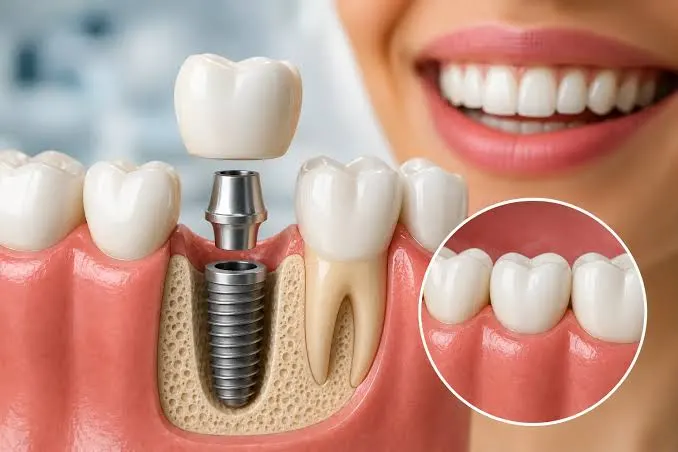
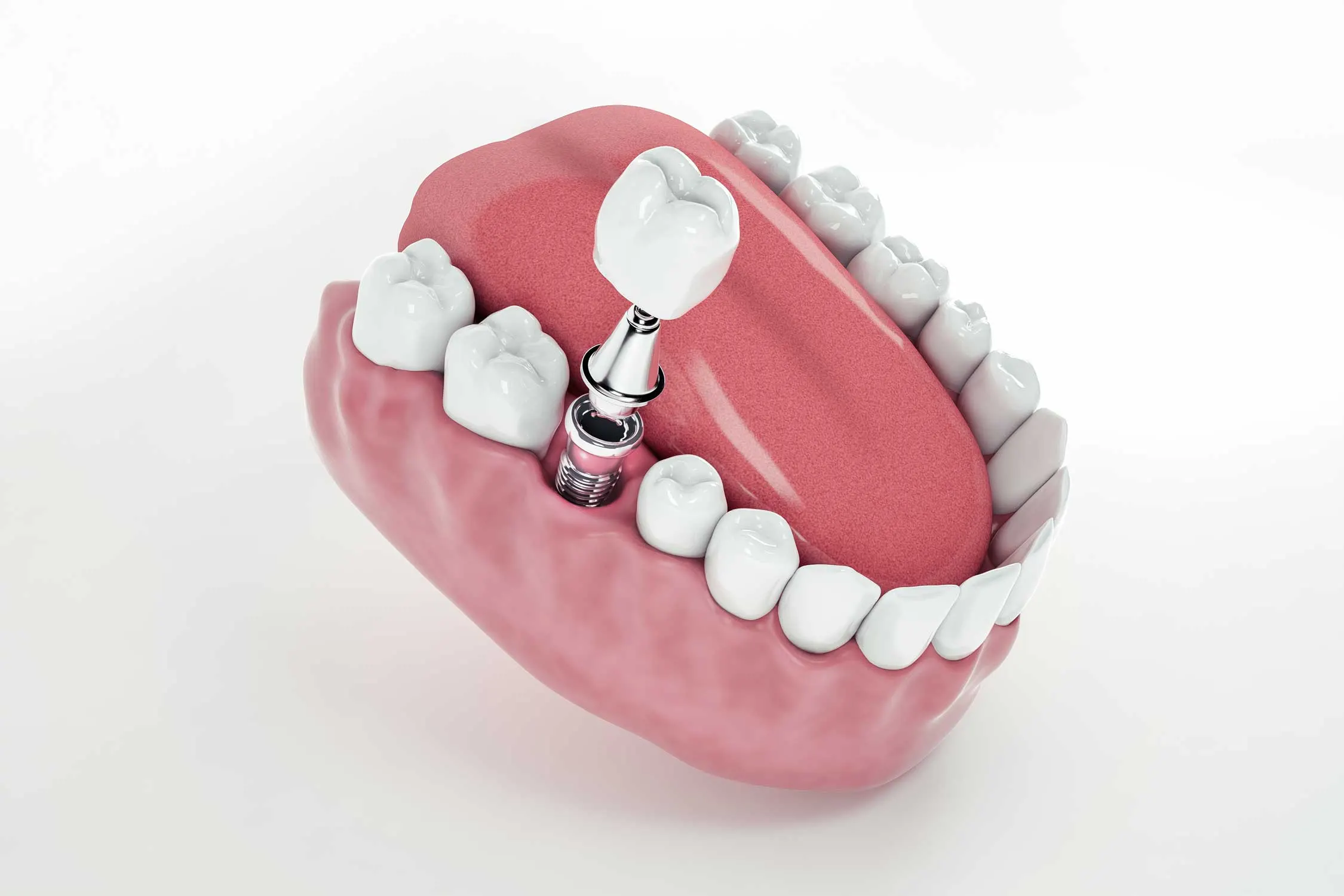
Dentistry is a broad field of medicine that encompasses many different disciplines within itself. While a filling or a routine root canal treatment falls among the basic practices of general dentistry, dental implantation—placing a titanium material into the jawbone—requires a far more complex surgical infrastructure. Critical parameters such as jaw anatomy, maxillary sinus cavities, mandibular nerve pathways, and bone biomechanics must be evaluated simultaneously. At this point, the most fundamental factor determining the longevity of the treatment and the patient’s safety is the clinician’s experience and surgical vision. For individuals seeking a Kahramanmaraş implant specialist, Dentocare Clinic offers evidence-based, scientific, and personalized reconstructive solutions across a wide spectrum—from routine cases to complex cases involving advanced bone loss.
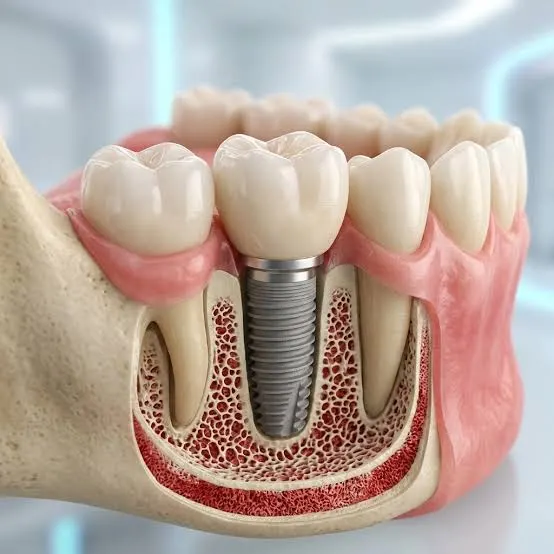
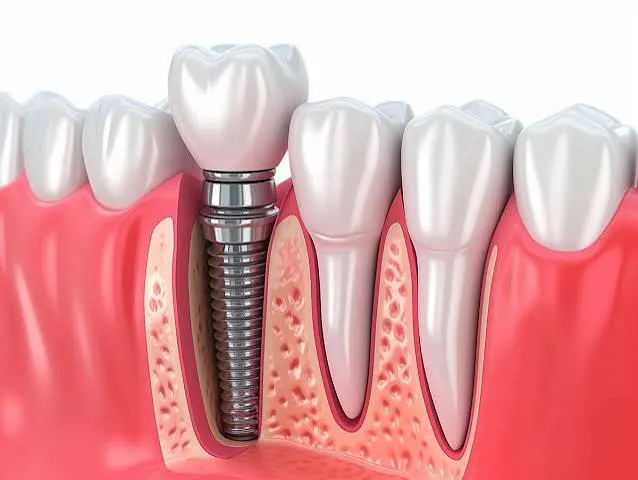
The success of an implant treatment is not limited to the moment the titanium screw is placed into the bone. Success is achieved through precise three-dimensional planning before the operation, respect for surrounding tissues (gums and bone) during surgery, and the proper management of the tissue integration (osseointegration) process. A specialist clinician does not merely place a screw into the existing bone; they also shape the surrounding gum tissue aesthetically, ensure that chewing forces are distributed correctly to the jaw joint, and anticipate and eliminate potential complications before they arise. The Dentocare Clinic team follows the latest developments in oral and maxillofacial surgery at an international level and adopts the principle of providing care at high medical standards.
Clinical Conditions Requiring Advanced Surgical Expertise
Not every patient’s jaw structure initially provides ideal conditions for implant placement. Especially in cases where many years have passed since tooth extraction, volumetric bone loss (atrophy) is a physiological reality. In such situations, conventional treatment methods may be insufficient, and the specialist must employ advanced surgical techniques. The procedures successfully performed at Dentocare Clinic, which require high-level clinical equipment, include:
- Bone Augmentation (Grafting): The process of adding tissue to jawbones that lack sufficient thickness and height for implant placement, using biocompatible bone graft materials and membranes. It is essentially the reconstruction of the foundation.
- Sinus Floor Elevation (Sinus Lifting): Applied in cases where, after tooth loss in the posterior upper jaw, the sinus cavities (air-filled anatomical spaces) descend downward. The sinus membrane is gently lifted with special surgical instruments, and bone graft material is placed in that area.
- Angled (Angulated) Implant Applications: Procedures that require advanced engineering calculations to place implants at specific angles in the jawbone in order to avoid anatomical obstacles such as nerve canals or sinus cavities.
- Aesthetic Zone (Anterior Teeth) Implantology: In cases of missing front teeth, not only the integrity of the bone but also the shape, level, and symmetry of the gum tissue (pink aesthetics) are of critical importance. Surgery in this area requires high precision and aesthetic vision.
Comparison of Specialist Clinical Approach and Conventional Practices
Our patients frequently ask, “Why should I choose a specialist or a fully equipped clinic?” From treatment planning to complication management, you can clearly see the difference in clinical infrastructure and physician vision in the table below:
| Clinical Stage | Specialist Vision (Dentocare Clinic) | Standard / Routine Approach |
|---|---|---|
| Diagnosis and Planning | Bone thickness and nerve structures are mapped with millimetric precision using 3D Dental Tomography (CBCT). | General observation and estimation are made using only a two-dimensional panoramic X-ray. |
| Surgical Technique | Computer-assisted, safe procedures with minimal incision are performed using personalized “Surgical Guides.” | Free-hand surgical techniques based on the clinician’s manual experience are used. |
| Risk Management | Potential anatomical risks (nerve damage, sinus perforation) are eliminated in advance in a 3D environment. | Unexpected anatomical situations encountered during surgery are addressed in real time. |
| Tissue and Aesthetics | Along with implant placement, surrounding gum tissue (mucosa) is specially shaped for permanent aesthetics. | The focus is generally only on the fixation of the screw in the bone, while soft tissue aesthetics may remain secondary. |
Post-Treatment Phase and the Patient’s Role
A successful surgical procedure performed at Dentocare Clinic is only the first half of a long-lasting implant treatment. The second half consists of the months-long healing phase during which the titanium root integrates with the jawbone, as well as the long-term maintenance process after prosthetic delivery. Beyond prescribing medications, our specialist clinicians provide patients with comprehensive oral hygiene training after the operation. Applying cold compresses within the first 48 hours after surgery, following a soft diet, and regularly using prescribed mouthwashes maximize healing comfort.
For implants to remain healthy for a lifetime, they must be protected from plaque accumulation just like natural teeth. The primary cause of bone loss around implants, known as “peri-implantitis,” is inadequate oral hygiene and excessive tobacco use. In addition to brushing twice daily, our patients are strongly advised to use interdental brushes and oral irrigators. Periodic check-ups at our clinic (usually every 6 months), including radiographic evaluations and professional cleaning procedures, ensure that the biological integration achieved is maintained for a lifetime.