
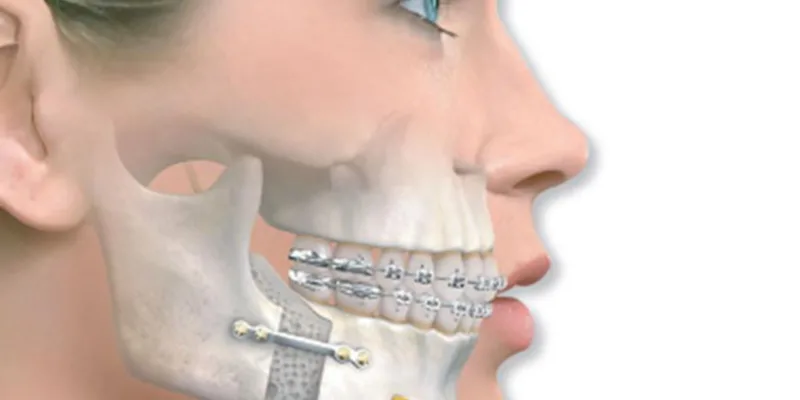
Maxillofacial Surgery Applications in Kahramanmaraş
Oral and Maxillofacial Surgery is one of the most comprehensive and technically demanding branches of dentistry. This field, not limited to tooth extraction, encompasses a wide range of treatments including pathologies of the jaw bones, soft tissue diseases, impacted teeth, dental implant applications, jaw fractures, and joint disorders. Kahramanmaraş, with its university hospitals and advanced private healthcare infrastructure, is one of the important centers in the region for maxillofacial surgery. The concept of “maxillofacial surgery applications in Kahramanmaraş” refers to the medical expertise and modern treatment protocols offered by the city.
What is Oral and Maxillofacial Surgery?
Maxillofacial surgery is a medical discipline that diagnoses and surgically treats all types of diseases of the soft tissues (cheeks, palate, tongue, lips) and hard tissues (teeth, bones) within the mouth. Physicians specializing in this field are individuals who have completed doctoral or specialization training in “Oral, Dental and Maxillofacial Surgery” in addition to their dental education. Surgical procedures performed in healthcare facilities in Kahramanmaraş are carried out under local anesthesia, sedation or general anesthesia, in sterile operating room conditions.
Impacted Tooth Operations: Why and How?
One of the most frequent reasons for visits to maxillofacial surgery clinics is impacted teeth. In particular, the third molars (wisdom teeth), also known as “wisdom teeth,” do not erupt and remain impacted in the bone due to a narrow jaw arch or malposition of the tooth.
Medical Necessities (Indications)
Not every impacted tooth needs to be extracted; However, surgical intervention is a medical necessity in the following cases:
- Pericoronitis (Gum Inflammation): A painful infection caused by the accumulation of food particles between the gum tissue and a partially impacted tooth.
- Cyst and Tumor Formation: The follicle sac around an impacted tooth can eventually turn into a cyst, eroding the jawbone.
- Orthodontic Reasons: Eliminating pressure factors that cause crowding in the teeth.
- Damage to Adjacent Tooth: The impacted tooth pressing on the root of the adjacent second molar, causing decay or erosion.
Dental Implant Surgery and Advanced Techniques
Dental implants, considered the gold standard in the treatment of missing teeth, are one of the most important application areas of oral surgery. In Kahramanmaraş, oral surgery procedures frequently utilize not only standard implant placement but also advanced surgical techniques applied in cases of bone deficiency.
Sinus Lifting Operation
When there is tooth loss in the posterior region of the upper jaw, the air spaces called “maxillary sinuses” sag downwards over time, reducing the bone volume available for implant placement. In a sinus lifting operation, the sinus floor is surgically lifted upwards, and bone graft (bone powder) is placed in between. This provides sufficient bone height for implant placement.
Bone Grafting (Bone Powder Application)
Augmentation procedures are performed to repair jaw bones that have resorbed due to long-term edentulism, trauma, or infection. Bone volume is increased using grafts obtained from the patient’s own bone (autogenous) or biomaterials (synthetic/animal-derived).
Treatment of Cystic and Tumoral Formations
Cysts can form within the jawbone, either from dental (odontogenic) or non-dental sources. These cysts often progress insidiously and can reach large sizes without causing pain, weakening the jawbone. Oral surgeons surgically remove these pathological formations (enucleation) and send the removed tissue for pathological examination. Early diagnosis is vital to preserve the integrity of the jawbone and prevent tooth loss. In surgical clinics in Kahramanmaraş, these lesions can be detected in the early stages through routine panoramic X-ray examinations.
Comparison of Surgical Procedures
A comparison of different types of anesthesia and procedures used in oral surgery is important for patients to understand the process:
>
| Type of Procedure | Local Anesthesia | Sedation / General Anesthesia |
|---|---|---|
| Patient Consciousness | The patient is fully awake and does not feel pain. | The patient is semi-asleep or fully asleep (does not remember). |
| Indications | Simple extractions, single implants, small cysts. | Multiple implants, impacted teeth, dental phobia, cysts resections. |
| Hospitalization | Not necessary, the patient is discharged immediately. | Not necessary with sedation, monitoring may be required with general anesthesia. |
| Recovery Process | Standard wound healing. | Anesthesia-related weakness may occur; the surgical area is the same. |
Temporomandibular Joint (TMJ) Disorders
Symptoms such as clicking in the jaw joint, limited mouth opening, pain in front of the ear, and difficulty chewing indicate TMJ (Temporomandibular Joint) disorders. Within the scope of oral surgery applications in Kahramanmaraş, the following treatments are applied for these disorders:
- Arthroacentesis (Joint Irrigation): This is a procedure in which inflammatory substances are washed away by entering the joint cavity with sterile fluids, and joint movement is facilitated.
- Botox Application: Muscle spasms caused by teeth grinding (bruxism) are relieved and the load on the joint is reduced by injections into the chewing muscles (Masseter and Temporal muscles).
- Splint Treatment: Joint position is corrected with a night guard.
Post-Surgery Considerations
If half of a successful surgical operation is the skill of the physician, the other half is the patient’s adherence to post-operative care rules. The key points to consider during the healing process are as follows:
1. Tampon Use: To stop bleeding, the tampon should be bitten down on firmly for 30-45 minutes and should not be changed frequently.
2. Cold Compress: Applying ice externally (apply for 10 minutes, rest for 10 minutes) in the first 24 hours reduces edema and swelling by 50%.
3. Nutrition: On the first day, consume soft, lukewarm foods without particles. Avoid very hot and acidic drinks.
4. Smoking Ban: Smoking impairs blood flow to the wound and causes a painful condition called “alveolitis” (dry socket). It should absolutely not be consumed in the first 48-72 hours.Conclusion: Expertise and Trust
Oral and maxillofacial surgery procedures in Kahramanmaraş cover a wide range, from simple tooth extraction to advanced implant surgery. Since these procedures are performed in an aesthetically and functionally critical area like the face, they must be performed by “Oral, Dental and Maxillofacial Surgery Specialists” under sterile conditions and with the correct indications. The well-equipped clinics and expert medical staff in the region ensure that patients can access these treatments safely. Remember, correct diagnosis and surgery performed by an expert are the most important steps in improving your quality of life.







