Kahramanmaraş Orthognathic Surgery Examination: The First Step on the Path to Treatment
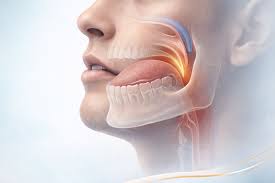
Structural disorders in the jaw and facial region not only affect individuals’ physical appearance, but also deeply impact essential life functions such as breathing, speaking, and healthy nutrition. Conditions such as a retruded chin, an excessively protruding lower jaw, or facial asymmetry are generally skeletal problems that begin in childhood and become permanent in adulthood. At this point, Kahramanmaraş orthognathic surgery examination plays a critical role in accurately identifying the problem and determining the most appropriate treatment protocol. As Dentocare Clinic, we ensure that our patients take their first steps in this challenging process in the most reliable, transparent, and scientifically grounded way.
Why Is a Detailed Initial Examination Essential?
Orthognathic surgery is a serious medical procedure that permanently alters the aesthetic and functional dynamics of the face and is irreversible. Therefore, the journey to the operating table begins with a millimetric evaluation carried out in the dental chair. Many patients visit the clinic believing that crowding in their teeth can be resolved solely with braces. However, after a detailed examination, it may become clear that the main problem lies not in the alignment of the teeth, but in the position of the jawbones that support them.
Dentocare Clinic specialists clearly distinguish during the first examination whether the problem is “dental” or “skeletal.” While a purely dental issue can be resolved with orthodontic treatment, a skeletal anomaly affecting the bone structure necessarily requires a combination of orthognathic surgery and orthodontics. Failure to make this distinction correctly can result in years of wasted time and unsuccessful treatment outcomes.
Step-by-Step Orthognathic Surgery Examination at Dentocare Clinic
From the moment you step into our clinic, you encounter far more than a standard dental check-up. A jaw surgery examination encompasses a wide range of evaluations, from the patient’s medical history to their current psychological condition, from facial proportions to joint health. The process proceeds through the following main steps:
- Medical History (Anamnesis): The patient’s overall health condition, chronic diseases, previous surgeries, and family (genetic) history of jaw anomalies are recorded. It is determined whether the patient’s main complaint is aesthetic (appearance-related) or functional (difficulty chewing, mouth breathing, joint pain).
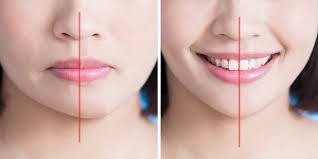
- Clinical Facial (Extraoral) Examination: The physician carefully examines the patient’s face from both the front and profile views. The symmetry between the right and left halves of the face, the resting position of the lips, the smile line, and the relationship between the nose and chin are evaluated.
- Intraoral Examination: The way the teeth come into contact (type of bite), gum health, palate structure, and joint sounds during jaw movements are assessed.
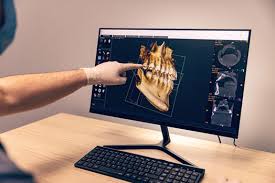
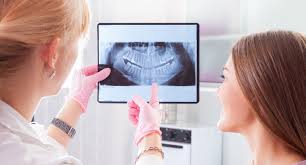
- Advanced Radiological Imaging: The bone structure, root conditions, and nerve pathways that cannot be seen with the naked eye are mapped with millimetric precision using panoramic X-rays, cephalometric (profile) images, and 3D dental tomography (CBCT).
Critical Facial Ratios Evaluated During Examination
The main goal of an orthognathic surgery examination is to achieve the golden ratio and ideal function in the face. Dentocare Clinic specialists rely on certain universal cephalometric (bone and soft tissue measurement) criteria during diagnosis. These calculations, performed in light of radiological data while the patient is in the examination chair, form the foundation of the treatment.
| Evaluation Criterion | Medical Meaning and Area Examined | Possible Issues Identified During Examination |
|---|---|---|
| Vertical Facial Proportions | The proportional relationship between the upper, middle, and lower thirds of the face. | Long face syndrome (Gummy Smile) or an abnormally short and flattened lower face structure. |
| Sagittal Relationship | The forward and backward positioning of the upper jaw (maxilla) relative to the lower jaw (mandible). | The lower jaw being skeletally too far back (Class II) or too far forward (Class III). |
| Transversal Relationship (Width) | Whether the upper jaw arch fully covers the lower jaw in terms of left-right width. | Narrow upper jaw (posterior crossbite) and associated breathing difficulties. |
| Temporomandibular Joint (TMJ) | The disc and mobility of the joint connecting the lower jaw to the skull. | Clicking/grating sounds during mouth opening and closing, pain, jaw locking, or limited mouth opening. |
Orthodontics and Maxillofacial Surgery Consultation
A successful orthognathic surgery examination does not result from the decision of a single physician. This treatment is the product of a multidisciplinary approach. At Dentocare Clinic, during our examinations, the orthodontist and the oral and maxillofacial surgeon evaluate the case together. While the orthodontist plans how the teeth will be aligned before and after surgery, the surgeon determines where the bones will be repositioned and how the airway will be expanded.
At the end of the examination, the patient is informed transparently about their current condition. If surgical intervention is decided, the duration of preoperative orthodontic treatment (braces or aligners), the estimated difficulty of the surgery, and recovery expectations are clearly explained. Our goal is to eliminate all question marks in the patient’s mind and ensure they begin treatment with full confidence.
Achieve Healthy Facial Dynamics with Dentocare Clinic
If you notice a structural imbalance in your face when you look in the mirror, or if you constantly struggle to bite or chew, the root of the problem may lie deeper than you think—in your bone structure. Research conducted online may give you a general idea; however, a definitive diagnosis and treatment plan can only be established through a comprehensive clinical examination by a specialist.
If you are looking for a reliable center for orthognathic surgery in Kahramanmaraş and its surroundings, do not delay taking the first and most important step. Our experienced team, modern radiological imaging devices, and patient-centered approach are ready to thoroughly evaluate your case. To learn about your treatment options and begin your personalized diagnostic process, contact Dentocare Clinic today and schedule your examination appointment.