
Kahramanmaraş Orthognathic Surgery Operation: Scientific Details of the Operating Room Process
Once orthodontic braces or clear aligners have positioned the teeth into their ideal alignment, the most critical stage of the long and patience-demanding preparation process is reached: the surgical operation. Kahramanmaraş orthognathic surgery operation is the final phase in which the jawbones are repositioned anatomically into their correct locations and the functional and structural balance of the face is permanently reconstructed. Although the word “surgery” may be intimidating for many patients, thanks to today’s advanced surgical techniques and the expertise of Dentocare Clinic specialists, this process has become highly predictable, safe, and standardized. At this stage—where dentistry and surgery intersect most strongly with medicine—understanding what happens in the operating room helps our patients feel significantly more at ease psychologically.
Day of Operation: Hospital Admission and Anesthesia Process
Orthognathic surgery is not a simple extraction or implant procedure that can be performed under local anesthesia in a dental chair. This procedure is carried out in a fully equipped hospital environment, under general anesthesia, and under the supervision of an anesthesiologist. On the morning of the operation, the patient is admitted to the hospital and, after final blood tests and anesthesia evaluations, is taken to the operating room.
General anesthesia ensures that the patient feels no pain throughout the operation and remains completely asleep. Surgeries planned within Dentocare Clinic are managed by our experienced surgeons specialized in maxillofacial surgery, who have full command of every millimeter of the procedure. Depending on the complexity of the case and whether one or both jaws are operated on, the duration of the surgery typically ranges between 2 to 4 hours.
Fundamental Surgical Osteotomy Techniques Applied
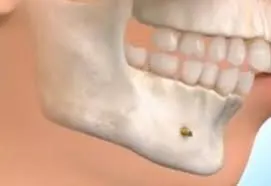
In jaw surgery, the process of freeing the bones and repositioning them is called “osteotomy.” Depending on the skeletal anomaly identified during diagnosis, the lower jaw, upper jaw, or both may be treated. Dentocare Clinic surgeons apply the following internationally recognized and scientifically proven techniques:
Will There Be Visible Scars? Incision Lines
One of the main concerns for patients undergoing orthognathic surgery is whether visible scars will remain on the face. Thanks to advances in maxillofacial surgical techniques, the answer is quite clear. Nearly all jaw surgeries planned at Dentocare Clinic are performed using an “intraoral” approach, meaning from داخل the mouth.
All necessary incisions are made inside the lips, along the areas where the gums end. The bones are accessed through these internal tunnels. Sutures are also placed داخل the mouth using dissolvable threads. Thanks to this approach, there are no visible scars on the cheeks, under the chin, or on any part of the face. From the outside, the only noticeable change is the positive structural improvement in the facial profile.
Fixation of the Bones: Rigid Fixation
After the jaws are repositioned according to the virtual surgical plan (3D splints), they must be stabilized to heal properly in their new positions. In the past, patients’ jaws were wired shut for weeks. However, modern surgical protocols at Dentocare Clinic utilize the “Rigid Internal Fixation” method.
After repositioning, the bones are fixed using biocompatible titanium mini plates and screws that are completely safe for the human body. These plates remain just beneath the bone surface, are not felt externally, and do not trigger metal detectors. Thanks to rigid fixation, it is usually unnecessary to wire the jaws shut. Patients can open their mouths to a certain extent, speak, and begin liquid nutrition much earlier.
The First 24 Hours After Surgery: What to Expect?
After the surgery is successfully completed and the patient is taken to the recovery room, the healing process officially begins. The first one or two nights in the hospital are when the body’s natural responses to surgical trauma are managed تحت medical supervision. At Dentocare Clinic, we summarize the typical experiences within the first 24 hours as follows:
- Swelling Control: Swelling (edema), especially in the lips and cheeks, is a natural and expected result of surgery. Special cold compress devices or masks are applied to minimize swelling.
- Pain Management: Since there are no pain receptors in the jawbone, bone-related pain is not experienced. Mild discomfort is easily controlled with intravenous painkillers. Patients often report feeling “pressure and tightness” rather than pain.
- Transition to Liquid Nutrition: A few hours after surgery, the first water intake is supervised by nurses. This is followed by clear liquid nutrition such as fruit juices, broths, and specialized formulas.
- Nasal Congestion: Especially in upper jaw surgeries, temporary nasal congestion may occur due to swelling. Saline solutions and nasal sprays recommended by the physician help relieve this condition.
Successful Surgical Outcomes with Dentocare Clinic Assurance
Orthognathic surgery is a specialized field requiring advanced engineering calculations and precise tissue management. Every minute spent on the operating table represents the culmination of months of planning. A successful surgical operation is not just about fixing bones with screws; it also involves maintaining airway patency, achieving perfect occlusion, and supporting soft tissues aesthetically.
As Dentocare Clinic in Kahramanmaraş, we utilize the most up-to-date surgical protocols to build a facial structure that allows our patients to breathe comfortably, chew efficiently, and smile confidently for years to come. The operating room phase of the surgical process is managed safely with our highly coordinated medical team and advanced technological infrastructure. If you are seeking permanent surgical solutions for functional issues such as jaw asymmetry, retrusion, or protrusion, you can schedule an appointment at our clinic to learn the details directly from our specialists.







