
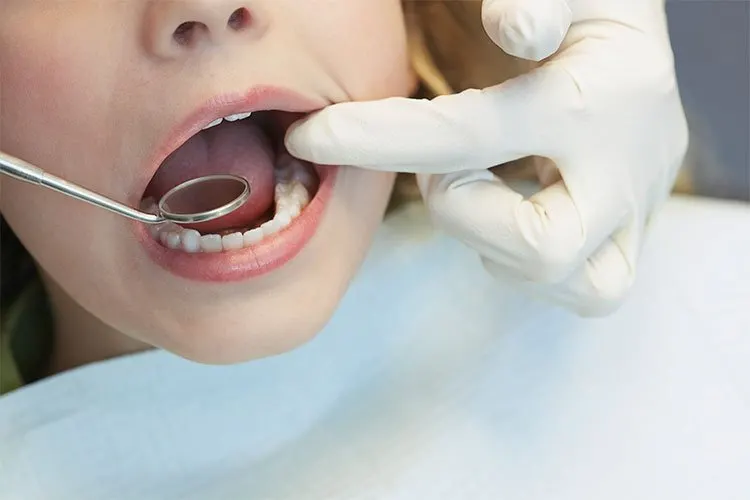
Pain-Free and Trauma-Free: Advantages of Digital Anesthesia for Children
Childhood is the most critical stage in an individual’s life, laying the foundation for both physical and psychological development. Experiences gained during this period directly influence behavioral patterns in adulthood. Healthcare services, especially dental experiences, can often be perceived as anxiety-inducing processes for children. Many adults experience “Dental Phobia” (Dentophobia) rooted in painful or frightening treatments they experienced as children. The biggest trigger for this trauma is undoubtedly “fear of needles” and the pain felt during anesthesia.
However, modern dentistry has gone beyond the principle of “first, do no harm” and adopted the understanding of “first, provide comfort.” The reflection of technology in the field of health, Digital Anesthesia Systems, offers revolutionary comfort in pediatric dentistry (Pedodontics). This technology, which eliminates the visual sensation of needles, minimizes pressure pain, and promises a trauma-free treatment process, is frequently preferred by parents.
The Basic Philosophy of Digital Anesthesia: Why “Trauma-Free”?
Trauma is not just a physical injury; it’s a state of intense stress and fear that a child cannot cope with. The metal syringes used in traditional dental treatment create visual fear in children. When you add the pressure pain caused by injections administered by the doctor’s hand, this experience can become traumatic for the child.
Digital anesthesia is designed to reverse this process. The system is an intelligent mechanism managed by a micro-computer (processor) that automatically adjusts pressure and flow rate. The tip of the device resembles a cute pen instead of a frightening needle. This visual change alone is enough to eliminate the child’s fear of “getting an injection.” Furthermore, by delivering the anesthetic fluid drop by drop and very slowly, according to the tissue’s resistance, it prevents sudden tension and burning sensations in the tissue. When the pain factor is eliminated, trauma does not occur.
5 Key Advantages for Children
The scientific and practical advantages behind digital anesthesia systems becoming the standard in pediatric dentistry are as follows:
1. Elimination of Pressure Pain
Scientific studies have proven that the pain felt during injection is not due to the needle pricking itself, but rather to the rapid and pressurized entry of the medication into the tissue. The digital system delivers the fluid at a very low pressure, below physiological limits. The device measures tissue resistance and adjusts the speed accordingly. The child often does not feel the medication being administered.
2. Elimination of Visual Anxiety
Children think concretely. A large metal syringe they see is a direct threat to them. Digital anesthesia devices, on the other hand, have an ergonomic, pen-like design. When the doctor introduces it as a “magic pen” or “sleep stick,” the child does not perceive a threat and remains calm in the chair.
3. Control of Regional Numbness
In traditional block anesthesia, the injection for a tooth can numb half of the lip, cheeks, and tongue for hours. This “thickening” and “tingling” sensation is very uncomfortable and frightening for children. With digital anesthesia, it is possible to numb only the area around the relevant tooth (with intraligamentary technique). Thus, the child does not feel any strangeness in their face when speaking or laughing after treatment.
4. Reduced Risk of Lip and Cheek Biting
The most common post-treatment complication encountered by pediatric dentists is the child unconsciously biting their lip or cheek during the period when the numbness has not worn off. This can lead to serious soft tissue injuries. Digital anesthesia significantly reduces this risk by limiting the area of numbness and optimizing the duration of the effect.
5. Shorter Treatment Time
The onset of anesthetic effect is generally faster with digital systems. Furthermore, the child’s calm and fearless demeanor allows the physician to begin treatment more quickly and complete the procedure with higher quality in a shorter time.
Comparison of Traditional and Digital Methods
To help parents see the difference more clearly, we have summarized the key differences between the two methods in the table below:
| Features | Traditional Syringe | Digital Anesthesia (Wand/STA) |
|---|---|---|
| Application Technique | Manual (Push with hand force) | Computer-controlled automatic flow |
| Pain Level | Pressure-related pain may occur | Pressure-free, comfortable his |
| Appearance | Metal syringe (Scary) | Pen-like tip (Elegant) |
| Tissue Damage | Risk of micro-tear | Minimal tissue damage |
| Numbness sensation | GeIn a niche area, long-term | Localized and targeted |
Psychological Impact: Overcoming Dentist Phobia
A child’s experience sitting in the dentist’s chair shapes their future health behaviors. A child who has a painful experience will avoid going to the dentist even as an adult, causing simple problems to escalate.
Digital anesthesia aims to break this chain. For a child who encounters digital anesthesia at their first appointment, dental treatment is coded not as “something to be afraid of,” but as “a process that feels like a game.” This positive reinforcement ensures that the child willingly comes to subsequent check-ups. For parents, the stress of convincing the child to go to the dentist is also eliminated.
Recommendations for Parents
Digital anesthesia technology is a great tool for comfortable treatment, but it is not sufficient on its own. Your approach is also very important in preparing your child for treatment. Instead of saying “don’t be afraid, it won’t hurt” (because this sentence suggests the possibility of pain), use positive phrases such as “we will clean and rinse your teeth.” Leave the details and technical explanations to your dentist. Your pediatric dentist will manage the process in the best way by introducing the digital anesthesia device to your child in a language appropriate to their age.
Safety Profile
Digital anesthesia devices are FDA (Food and Drug Administration) and CE approved medical devices. The anesthetic agents used are the same as in the traditional method, but since the dosage can be adjusted much more precisely in the digital system, the amount of drug given to the body is optimized. This reduces the risk of systemic side effects and increases safety.
Conclusion
Protecting your children’s smiles is not just about treating cavities, but about providing healthcare without leaving a mark on their mental world. A “painless and trauma-free” dental experience is no longer a dream, but an achievable reality with digital anesthesia technologies. Choosing clinics that combine technology and pediatric dentistry expertise to help your child overcome their fear of the dentist and provide them with a comfortable treatment process is one of the most valuable steps you can take for their healthy future.







