Things to Consider After Dental Fillings in Children
In the parenting journey, the successful completion of your child’s treatment in the dentist’s chair is a moment of great relief. The decay has been cleaned, the tooth saved, and that tense wait is over. However, in pedodontics (child dentistry) practice, treatment doesn’t end when the child gets up from the chair; the “post-treatment care” phase, one of the most important processes, begins. The period from the moment the child leaves the clinic until the filling fully adapts to the oral environment is critically important for the longevity of the treatment and the child’s comfort.
Especially for families of children getting fillings for the first time, this process is full of question marks: “When can they eat?”, “Will it hurt?”, “They bite their lip, what should I do?” These questions occupy their minds. The effect of local anesthesia, the type of filling material used, and the child’s age can change the things to consider.
The Most Critical Stage: Local Anesthesia and Numbness
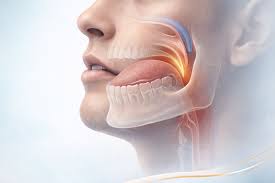
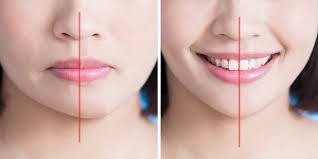
If your child received a “numbing injection” (local anesthesia) during the filling treatment to prevent pain, the first 2-3 hours after the treatment are the time when parents need to pay the most attention. Because even though the tooth has been treated, the numbness in the lip, cheek, and tongue will continue for some time.
Children, especially those in the younger age group (3-6 years old), find this numbness “strange.” They may pull at their lips with their fingers, scratch them with their nails, or, most dangerously, bite and chew. Because the child doesn’t feel pain at that moment, they may bite their lip or cheek until it bleeds. However, when the effect of the anesthesia wears off (after 2-3 hours), a large, painful, white/yellow wound, which we call a “Traumatic Ulcer,” forms in that area.
Parental Responsibilities:
- Observation: Keep your child under observation as soon as they leave the clinic. Prevent them from sucking or biting their lip.
- Cotton Swab: If your child is prone to biting their lip, you can place a clean cotton roll on the numb side (between the cheek and the teeth) to keep the soft tissue away from the teeth.
- Food Ban: Do not feed your child anything that requires chewing until the numbness has completely worn off (until your child can feel their lip when touched). Only liquid foods can be given.
Eating and Drinking Rules: When and What to Eat?
The timing of feeding varies depending on both the presence of anesthesia and the type of filling material used. Although light-curing composite or compomer (colored) fillings are frequently used in children today, temporary fillings may sometimes be necessary.
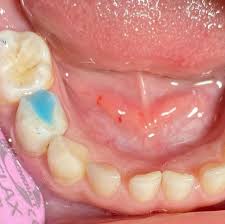
Permanent Fillings (Light-Curing Fillings): These fillings are fully cured in the clinic with a blue light. This means the filling is already hardened when the child gets up from the chair. If anesthesia was NOT administered, the child can eat immediately. However, if anesthesia was administered, the numbness must wear off (approximately 2-3 hours).
Temporary Fillings: If the treatment is not complete and a temporary (white plaster-like) filling has been placed in the tooth, nothing should be eaten for at least 2 hours to allow the material to harden. Also, hard foods should not be pressed on the tooth.
Nutritional Recommendations for the First 24 Hours:
- Avoid very hot and very cold foods (may cause tooth sensitivity).
- Do not consume sticky foods (gum, jelly candies, caramel chocolate); they may dislodge the newly placed filling.
- Avoid biting into hard nuts or hard-shelled fruits.
- Soft foods such as lukewarm soup, yogurt, purees, and pasta are ideal.
Pain and Sensitivity: Normal or Problem?
It is considered normal to experience mild sensitivity after filling treatment. After all, the tooth is a living tissue and has been exposed to vibration, water, and acids during the procedure. However, it is necessary to distinguish between “normal” and “problematic” pain.
| Symptom Type | Situation Analysis | What to Do |
|---|---|---|
| Cold Sensitivity | Normal (Post-operative sensitivity). | Avoid very cold for a few days. It will decrease over time. |
| Pain upon biting | The filling may be too high. | Wait 1-2 days, if it doesn’t go away, consult your doctor (the height should be removed). |
| Spontaneous throbbing | This is not normal. | The nerve may have reacted after the procedure. Consult a doctor, and give painkillers. |
| Gum Pain/Redness | It may be a needle insertion site or procedure trauma. | It is normal, it heals in 1-2 days. |
Oral Care: Should I Continue Brushing?
One of the most common mistakes parents make is avoiding brushing that area with the thought, “The filling was recently done, it will fall out or be damaged if we brush it.”This is completely wrong. Filled teeth require just as much care as natural teeth.
Teeth should be brushed regularly, including the evening of the treatment. The area where the filling was placed should be cleaned even more carefully to prevent plaque buildup at the gum-filling border. If you don’t brush that area, accumulated food particles can cause inflammation (swelling and bleeding) in the gums, causing the child more pain than the filling itself. Flossing should also continue gently (if the filling is interproximal).
Possible Complications: When Should You Call Your Dentist?
Most fillings heal without problems, but you should contact your dentist immediately if:
- Persistent Feeling of Height: If the child says, “My tooth feels like it’s touching first” or “It feels strange when I close it,” the filling may be too high. If this condition is not corrected, it will lead to tooth pain and joint problems.
- Swelling: If swelling (like a pimple) occurs in the area of the filled tooth, cheek, or gum.
- Pain that Wakes You Up at Night: In cases of severe pain that does not subside despite painkillers (paracetamol/ibuprofen).
- Filling Breakage/Falling Out: If a hard piece gets into the child’s mouth.
Filling Lifespan and Long-Term Protection
Fillings in baby or permanent teeth are not permanent; however, with good care, they can remain in the mouth until the age when the tooth falls out (in baby teeth). To prolong the life of the filling:
The child’s consumption of acidic drinks should be limited, sticky candies should be avoided, and effective brushing should be done twice a day. Additionally, during routine checkups every 6 months, your dentist will check the edge fit and stability of the fillings.
“White Sore” Warning
If you see a large, white/yellow sore with red edges on your child’s lip or cheek 1-2 days after treatment, don’t panic. This is usually not an “infection,” but a “traumatic ulcer” caused by the child biting their lip while under the effects of anesthesia. Although it may look quite frightening, it will heal on its own within 7-10 days. Avoiding acidic foods will speed up healing.
Conclusion
The post-treatment process for dental fillings in children is just as important as the treatment itself. As parents, managing the effects of anesthesia, ensuring proper nutrition, and maintaining hygiene routines guarantees the success of the treatment. With a little care and attention, you can ensure your child smiles comfortably with their new filling and grows up healthy. Remember, a treated tooth is now a “healthy” tooth and deserves regular care just like other teeth.