Kahramanmaraş Tooth Extraction Examination: Shape Your Treatment with Accurate Diagnosis at Dentocare Clinic
The golden rule of success in dentistry is to carry out a complete and holistic diagnostic process that reveals the source of the problem in full clarity before treatment begins. When you come to the clinic with a problematic tooth that keeps you awake at night and causes sharp sensitivity when drinking cold or hot beverages, the biggest question on your mind is usually, “Will this tooth need to be extracted, or can it be saved?” Dentocare Clinic, the point of reference for preventive and surgical dentistry in the Kahramanmaraş region, does not offer memorized answers to these understandable concerns. Instead, it applies an extremely meticulous and in-depth tooth extraction examination protocol supported by advanced technological imaging systems. For us, an examination is not limited to taking a quick look inside the mouth; it is the most critical medical turning point that determines the anatomical fate of your tooth.
The common public perception of “just pulling out a painful tooth immediately” is completely contrary to the conservative philosophy of modern dentistry, which aims to preserve the natural tooth in the mouth. No artificial material in the world can fully imitate the biological harmony that your own natural tooth root provides to your chewing system and jawbone. For this reason, Dentocare Clinic’s dentists work with the attention of detectives for every patient who sits in the examination chair. The extent of substance loss in the tooth is measured, the damage caused by the lesion at the root tip to the jawbone is mapped radiologically, and the patient’s overall medical history is carefully reviewed. A tooth extraction is only decided upon when all medical options to save the tooth—such as root canal treatment, apical resection (root-end surgery), or post-core supported restoration—have been exhausted, or when keeping the tooth in the mouth threatens the patient’s overall health.
The First Step in the Chair: Anamnesis (Medical History) and the Power of Communication
Our examination process begins not when you open your mouth, but when we listen to you. The patient expressing the complaint in their own words and describing the nature of the pain (throbbing, sudden, worsening at night, etc.) is one of the most important parts of diagnosis. During the tooth extraction examination, our dentists do not focus only on the pain you are feeling at that moment; they also ask in detail about the medications you use, any history of blood thinner use, and systemic conditions such as diabetes or hypertension.
This anamnesis stage is of vital importance to ensure that, if an extraction decision is eventually made, the process will be carried out completely safely and without complications. For example, in a patient using medication for bone loss (osteoporosis), tooth extraction is no longer a routine procedure but one that requires a far more specific protocol. At Dentocare Clinic, examination sessions are built upon a strong foundation of communication in which the patient trusts the dentist, shares their full medical background transparently, and helps shape the treatment plan together.
Discovering What Cannot Be Seen: Digital Radiographic Examination
A clinical examination performed with the naked eye can only detect decay in the enamel layer of the tooth, redness in the gums, or mobility of the tooth. However, the real battle that determines whether a tooth should be extracted is taking place beneath the gum, in the dark depths of the jawbone. The radiographic examination performed in our clinic illuminates this hidden area in high resolution.
- Digital Panoramic X-ray: Our basic screening method, showing your entire upper and lower jawbones, sinus cavities, and tooth roots in a single wide-angle image.
- Periapical Imaging: Specific images focused only on the suspicious tooth and the surrounding tissues, allowing us to detect millimetric details and tiny root-end fractures.
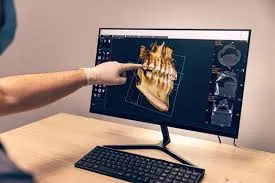
- 3D Dental Tomography (CBCT): Our most advanced diagnostic technology, especially used in the examination of impacted wisdom teeth, cystic structures, and roots very close to nerves, enabling us to examine the position of the tooth inside the jaw in three dimensions (depth, width, height) through sectional slices.
The Critical Decision Stage: Save It or Extract It?
The greatest assurance we offer our patients at Dentocare Clinic is that the full potential of every tooth to be saved is evaluated to the very end. In the comparison table below, you can review the clinical criteria our dentists use in determining your tooth’s fate along this fine line:
| Situations Where the Tooth Can Be Saved (Extraction Postponed) | Situations Where a Definitive Extraction Decision Is Made (Irreversible Cases) |
|---|---|
| Despite deep decay, there are still healthy enamel and dentin walls remaining in the crown (upper visible part) of the tooth that allow for restoration (filling/crown). | The decay has extended far below the gum level, completely destroying the root and leading to such advanced substance loss that no prosthetic restoration can be placed on it. |
| The infection at the root tip (abscess) is in the acute phase, but the root canals still have healing potential after being cleaned with special medications (a chance for root canal treatment). | Despite repeated root canal treatments and surgical interventions, the infection cannot be stopped, and the tooth has become a chronic toxic focus for the body. |
| A fracture caused by trauma (impact) remains only in the crown part of the tooth, while the root body remains intact inside the bone. | Vertical deep cracks or fractures extending along the root and parallel to the jawbone are detected (hopeless cases that also destroy the bone). |
| Mild mobility caused by gum recession may still be stopped through deep cleaning and splinting methods (connecting the teeth together). | Due to advanced periodontal disease, more than 80% of the bone supporting the tooth has resorbed, leaving the tooth almost freely moving within bone-free tissue. |
Transparent Planning of the Process After the Extraction Decision
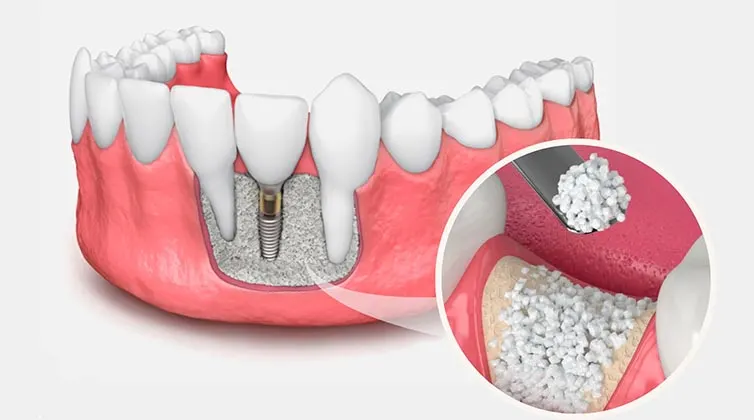
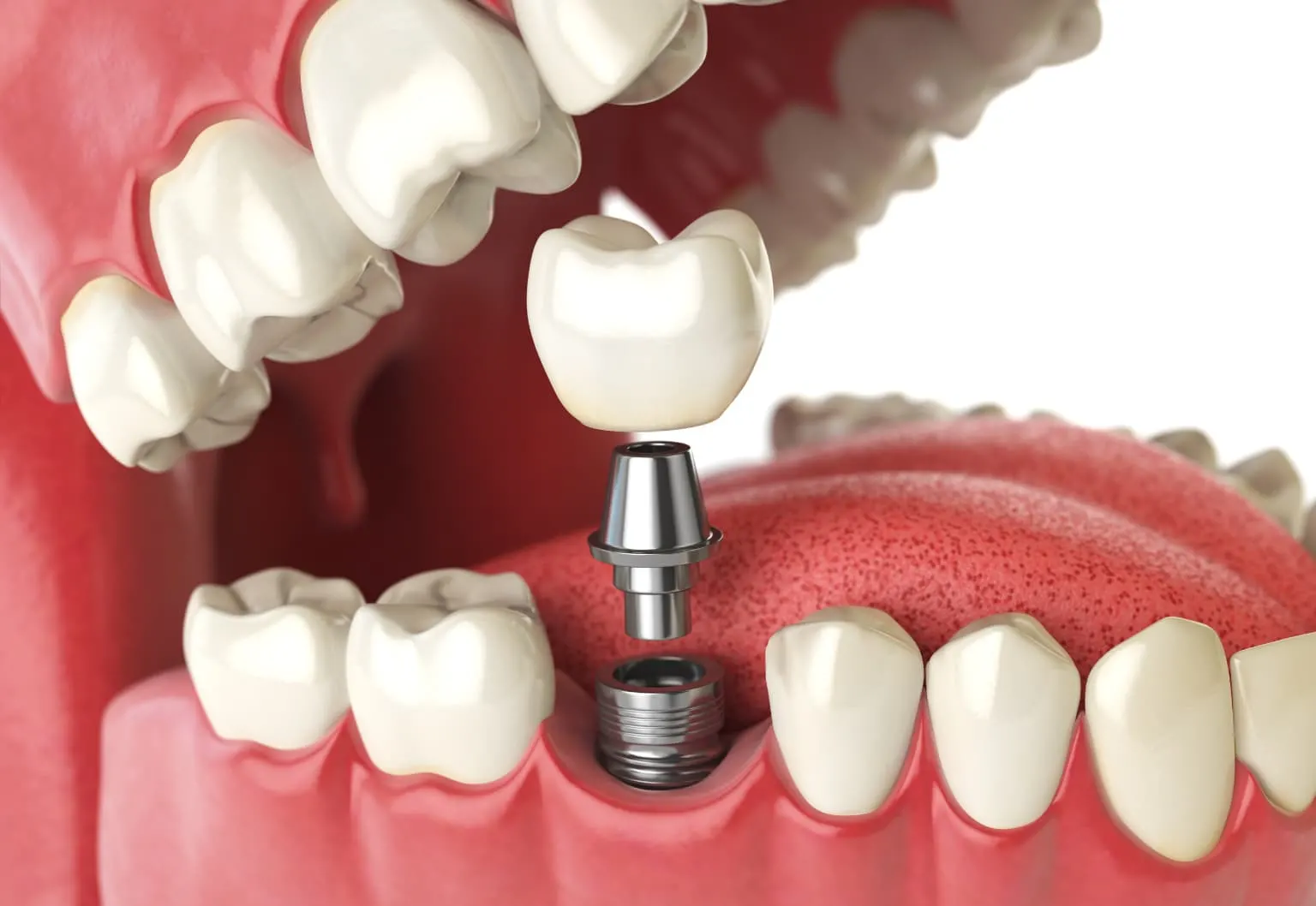
If, after the detailed examination, it is medically confirmed that your tooth cannot be saved, our dentist will explain the reasons for this decision to you clearly and understandably using your radiographic images. However, at Dentocare Clinic, the examination process does not end with the sentence, “We will extract your tooth, please make an appointment.” Even during that very first session, the long-term vision is planned: how the empty space created by the extracted tooth will affect your chewing balance, how the area will be protected against the risk of future bone loss (socket preservation), and how the gap will later be restored with dental implants or porcelain bridges.
Especially in infected (abscessed) cases, the extraction procedure is not always performed immediately. In order for anesthesia to be effective and to prevent the infection from entering the bloodstream during surgery, our dentist will prescribe a suitable antibiotic protocol for you. After you use the medication regularly for a few days, you return for your actual extraction appointment with the infection suppressed and your tissues ready for safe surgery.
Do Not Waste Time for the Right Diagnosis — Consult the Experts
Trying to get by with painkillers for a tooth that constantly signals trouble in your mouth, aches while chewing, or causes swelling in your gums means allowing the destruction inside to spread to much wider areas, including neighboring teeth and the jawbone. A professional tooth extraction examination performed at an early stage may open the door to a life-saving treatment that could keep that tooth in your mouth for years—or it may help you transition to a healthy extraction and implant process before your jawbone resorbs any further.
If you are unsure about the condition of your tooth and feel indecisive because of extraction anxiety or uncertainty about the right treatment, do not delay your health any longer. Kahramanmaraş Dentocare Clinic is ready to offer scientific and reliable answers to your questions with its most up-to-date radiological diagnostic devices, ethical vision focused on preserving the natural tooth, and expert dental team. To learn the true condition of your tooth and create the most suitable and comfortable treatment plan for you, you can contact our clinic immediately and schedule a comprehensive examination appointment.