Tooth Extraction Procedure in Kahramanmaraş: A Comfortable Step-by-Step Experience at Dentocare Clinic
Sitting in the dental chair naturally involves a certain amount of stress for many people; when the procedure in question is tooth extraction, that stress level usually reaches its peak. However, at the point reached today by medical technology and anesthesia pharmacology, the tooth extraction procedure has moved completely away from the frightening scenarios of the past and has become an extremely predictable, standardized, and comfortable clinical routine. Dentocare Clinic, which places patient psychology and physical comfort at the center of care in the Kahramanmaraş region, is reshaping patients’ perception of the “tooth extraction procedure.” By managing the process of removing a tooth lost due to decay, infection, or trauma from the jawbone through transparent communication and advanced surgical techniques, we offer our patients a safe haven.
The main reason a procedure feels frightening is usually “uncertainty.” When a patient does not know which instruments will be used, what kinds of sounds will be heard, and what they will physiologically feel during those minutes in the chair, the brain continues to generate the worst-case scenario. As the specialist dentists at Dentocare Clinic, we meticulously plan every second from the moment you walk through our clinic door until the moment the procedure ends and you get up from the chair. In this article, by explaining step by step the background of the tooth extraction procedure performed in our clinic, the anesthesia protocols, and the scientific basis of the physical sensations you will experience at that moment, we aim to make this process completely transparent and understandable for you.
Pre-Procedure Preparation: The First Minutes When Trust Is Built
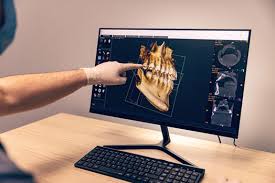
At Dentocare Clinic, the tooth extraction procedure does not begin when the patient sits in the chair, but with a detailed radiographic diagnosis. The number of roots of the tooth to be treated, the angle of the roots inside the jawbone, and their proximity to nerves and sinus cavities are examined with millimetric precision using panoramic X-rays or 3D dental tomography (CBCT). This radiographic mapping allows our dentist to mentally simulate the procedure in advance and ensures that no surprises are encountered during the extraction.
After the X-ray analysis, our dentist shares the technique to be used and the estimated duration of the procedure with you. This communication stage is critically important for your mental comfort. Once it is confirmed that your blood pressure is at normal levels and the necessary sterilization preparations are completed (including the disposable materials to be used and the surgical sets freshly taken out of the autoclave), we move on to the most important and most relieving step of the procedure: the anesthesia phase.
Pain-Free Anesthesia Protocol: The Key to Procedure Comfort
The only guarantee that you will not feel pain during the tooth extraction procedure is a correct and effective local anesthesia. Although “fear of needles” causes many patients to postpone the decision for extraction, a gradual numbing protocol is applied at Dentocare Clinic so that you do not feel this process. First, special fruit-flavored topical (surface) anesthetic gels are applied to your gum, completely numbing the mucosal tissue in that area. In this way, you do not feel the entry of the needle while the actual local anesthetic solution is being administered.
After the anesthesia is applied, an average waiting period of 5 to 10 minutes is observed, depending on the patient’s metabolic rate, so that the medication can fully penetrate the bone tissue and nerve endings. Before starting the procedure, our dentist makes small touches to the area (such as an ice test or probing) to ensure that full numbness has been achieved. If there is the slightest sign of sensitivity, the procedure is absolutely not started and an additional dose of anesthesia is administered. The moment you confirm that you are “completely numb,” the surgical procedure officially begins.
What Happens in the Chair: How Is the Tooth Extraction Procedure Performed Step by Step?
Once the anesthesia has taken full effect, the procedure itself is usually much shorter than the preparation phase. The basic steps of the “atraumatic extraction” (tissue-friendly extraction) protocol applied by our dentists are as follows:
- Separating the Tooth from the Gum (Isolation): With the help of special fine-tipped surgical instruments, the gum tissue surrounding the neck of the tooth is gently released. This helps prevent irregular tearing of the gum during extraction.
- Loosening the Periodontal Ligament: Teeth are not fixed into the jawbone like screws; they are surrounded by a microscopic, flexible connective tissue hammock system called the “periodontal ligament.” Using instruments called “elevators,” our dentist gently moves the tooth right and left, as well as forward and backward, to stretch these ligaments and loosen the tooth in its socket.
- Removing the Tooth from the Socket: Once the tooth has been loosened sufficiently, it is grasped with special extraction forceps manufactured in an anatomical form suitable for that particular tooth and removed from the socket in a controlled pulling motion without damaging the bone.
- Socket Cleaning and Preparation for Healing: The procedure does not end once the tooth is removed. If there is a cyst at the root tip or remnants of infected tissue, the inside of the bone socket is thoroughly cleaned with special curettes and stimulated to bleed to support clot formation (the body’s natural healing tissue). In cases where it is considered necessary, one or two sutures are placed at the socket opening to bring the wound edges closer together.
The Difference Between Pressure and Pain: What Will You Feel During the Procedure?
The point patients most often misunderstand during the procedure is confusing the feeling of “pressure” with the feeling of “pain”. Local anesthesia completely blocks the thin nerve fibers responsible for transmitting pain and temperature (cold/hot). However, the thicker nerve fibers that perceive touch and pressure do not become numb.
In anatomical terms, this means the following: while our dentist is loosening the tooth, you will feel a strong pushing, pulling, and pressing sensation in your jaw. You may even hear slight cracking sounds as the roots of the tooth separate from the bone. All of this is completely normal and a natural part of the procedure; it is absolutely not a sign of “pain” or “suffering.” Dentocare Clinic dentists speak with you throughout the procedure, reminding you that these physical sensations are normal and helping you remain psychologically at ease.
Traditional Experience vs. Dentocare Clinic Procedure Differences
What determines the quality of a tooth extraction procedure is not merely that the tooth is removed, but how the procedure is performed and according to which principles. In the table below, you can see the differences between the old-style approaches patients are frequently exposed to and the modern procedural protocols of our clinic:
| Old-Style / Standard Extraction Procedure | Dentocare Clinic Modern Extraction Procedure |
|---|---|
| A needle is applied directly for anesthesia, and the patient feels pricking and burning from the first insertion. | Topical gel is applied before the needle, and the anesthetic solution is delivered slowly at body temperature to prevent tissue tension. |
| Brute force is used to try to pull the tooth out of the bone, which may cause trauma to the jawbone. | With an atraumatic technique, the bone is gently loosened; if necessary, the tooth is divided at the root level (sectioning) and removed with zero trauma to the bone. |
| After the tooth is extracted, the procedure ends with only a cotton pad being placed, and cleaning inside the socket may be neglected. | The extraction socket is meticulously curetted (cleaned) of infected tissues, and a biological foundation is prepared for healthy blood clot formation. |
| The patient is sent home without being adequately informed after the procedure. | The patient is asked to bite on a sterile tampon, and post-extraction care instructions are explained in detail both verbally and in writing, with follow-up planned. |
The Procedure Is Over: What Awaits You When You Get Up from the Chair?
Once the tooth extraction procedure is completed, our dentist places a thick, sterile gauze pad (tampon) over the extraction site and asks you to bite your teeth together gently. This tampon is the first physical step in the natural hemostasis (clotting) process that will stop the bleeding. You are then allowed to rest in the chair for a few minutes to recover from the physical fatigue of the procedure.
Before you leave the clinic, your dentist will explain the frequency of the ice compress you should apply within the first 24 hours, the dosage of the painkillers or antibiotics you need to use (if required), and the list of warm-soft foods you should eat and drink. The numbness usually wears off within 2 to 4 hours; during this period, you will be specifically advised not to chew anything so that you do not accidentally bite your tongue or lip.
Experience the Dentocare Difference for a Smooth Extraction Procedure
As you can see, the tooth extraction procedure is not a random forceful act lasting only seconds; it is a scientific process in which anatomy, pharmacology, and surgical disciplines work in perfect harmony. In the hands of the right dentist, with proper anesthesia and sterile equipment, an extraction not only frees the patient from an infected tooth but also helps them overcome their fear of dentistry.
If you also have a painful tooth that is beyond treatment, set aside the fear created by uncertainty. Kahramanmaraş Dentocare Clinic transforms this procedure into a safe, comfortable, and standard routine for you with its principle of transparent communication, high-technology infrastructure, and atraumatic surgical approaches. Contact our clinic right away to breathe comfortably in our chair, regain your health, and receive a detailed examination.