
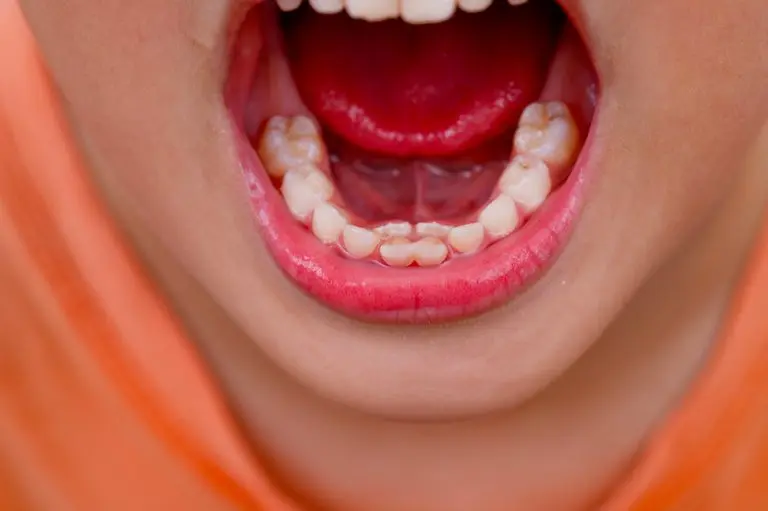
Kahramanmaraş Toothache in Children
Toothache is difficult to cope with even for adults, but for children it can turn into a traumatic experience both physically and emotionally. Sudden pain that starts in the middle of the night can leave parents feeling helpless and may lead to incorrect interventions. Complaints of toothache in children in Kahramanmaraş are, unfortunately, quite common when the region’s dietary habits and the anatomical structure of primary (baby) teeth are taken into account. Many parents may underestimate the process with the thought of “it’s just a baby tooth, it will hurt and then fall out”; however, toothache in children is usually a sign of an advanced infection or deep decay.
Main Causes of Toothache in Children
Children’s dental structure is different from that of adults. The enamel layer of baby teeth is thinner, and the pulp chamber (where the nerves are located) is much wider. This anatomical feature allows decay to reach the nerve very quickly, leading to severe pain. The main sources of pain include:
- Deep Dentin Cavities: When decay-causing bacteria pass the protective enamel layer and reach the dentin, sensitivity to hot and cold as well as sharp pain with sweet foods begins.
- Pulpitis (Nerve Inflammation): When decay reaches the pulp chamber, pressure builds up inside the tooth. This causes throbbing pain that typically worsens at night.
- Dental Abscess: When the infection reaches the root tip, pus accumulates. This condition presents with facial swelling, a pimple-like lesion on the gum (fistula), and severe pain when touched.
- Food Impaction (Septal Pain): Hard foods stuck between two teeth (meat fibers from Kahramanmaraş cuisine, hard nuts, etc.) can press on the gums and create intense pain that mimics a toothache.
The Kahramanmaraş Region and the Impact of Diet
Kahramanmaraş’s rich culinary culture is one of the factors that directly affect children’s oral health. Sticky and sugary foods such as ice cream, syrup-based desserts, pestil, and sausage cling to tooth surfaces and cause prolonged acid attacks. In addition, consuming hard foods (nuts, hard tarhana) can lead to cracks in baby teeth or fractured fillings, triggering pain.
Problem Analysis Based on Pain Type
The way your child describes the pain provides important clues about the source of the problem. The table below is designed to help parents analyze the situation:
| Pain Type | Possible Cause | Parental Approach |
|---|---|---|
| Sensitivity to Sweet/Cold | Early or mid-stage cavity. | The pain is temporary. An appointment should be scheduled as soon as possible. |
| Throbbing Pain at Night | Pulpitis (nerve inflammation). | This is an urgent situation. Pain relief can be given, and a dentist should be seen first thing in the morning. |
| Pressure Pain While Eating | Interproximal cavity or food impaction. | The area should be cleaned with dental floss; if food is stuck, it should be removed. |
| Constant Pain and Swelling | Dental abscess / Infection. | Antibiotics may be required under a dentist’s supervision. Hot compresses should NOT be applied. |
First Aid at Home: What to Do and What Not to Do
When a toothache starts in the middle of the night, the parents’ goal is to comfort the child and buy time until they can see a dentist in the morning. However, some common folk remedies can actually make the situation much worse.
Correct Practices:
- Brushing and Flossing: First, the teeth should be brushed, and the area between the painful teeth should be cleaned with dental floss. Sometimes, a simple trapped food particle can cause intense pain.
- Warm Saltwater Rinse: A rinse made by adding one teaspoon of salt to half a tea glass of warm water helps reduce gum swelling and disinfects the area.
- Analgesics (Painkillers): A pain-relief syrup (paracetamol or ibuprofen group) previously recommended by your doctor and appropriate for the child’s age and weight may be given.
- Cold Compress: If there is facial swelling, applying a cold compress externally (on the cheek) helps reduce pain and swelling.
ABSOLUTELY DO NOT DO THE FOLLOWING:
Placing Aspirin, Cologne, Alcohol, or Garlic directly on the aching tooth is one of the biggest mistakes you can make. These substances do not relieve toothache; instead, they cause “Chemical Burns” on the gums and cheek tissue. This adds mucosal burn pain on top of the child’s toothache and makes treatment more difficult.
Pedodontic Treatment Options
In pediatric dentistry (pedodontics) clinics in Kahramanmaraş, the priority for children presenting with pain is to relieve the pain and preserve the tooth in the mouth.
1. Pulp Therapy and Root Canal Treatment
If decay has reached the nerve and is causing night pain, extraction is not the first option. Baby teeth act as space maintainers for the permanent teeth developing underneath. Therefore, the goal is to partially (pulpotomy) or completely (root canal treatment) remove the infected pulp tissue, eliminate the infection, and keep the tooth functional in the mouth.
2. Antibiotic Use
Antibiotics are not used in every case of toothache. They should only be prescribed by a dentist if there is facial swelling, fever, or general health deterioration (fatigue). Using antibiotics solely for pain is unnecessary and does not relieve the pain.
3. Space Maintainers
If the tooth is too damaged to be saved and extraction is unavoidable, a “space maintainer” must be placed to preserve the gap. Otherwise, neighboring teeth may drift into the space and block the eruption path of the permanent tooth.
Conclusion: Early Diagnosis Prevents Pain
Toothache in children is usually the final stage of a neglected process. In Kahramanmaraş, the best approach for parents is to take their children to routine pedodontic check-ups every 6 months, even if there is no pain. Remember: a pain-free smile is the key to a happy childhood.







