
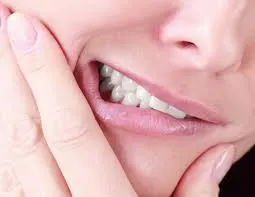
Kahramanmaraş Teeth Grinding and Jaw Pain Treatment: Get to the Root of the Pain with Dentocare Clinic
If, instead of starting the day feeling refreshed, you wake up with a heavy sense of fatigue in your face, a severe ache in front of your ear, and a headache radiating to your temples, your jaw joint may be sending you an urgent message. Jaw pain, referred to in medical literature as Temporomandibular Joint (TMJ) disorders and often triggered by the habit of involuntary teeth grinding (bruxism), is one of the most challenging health problems of modern life. Dentocare Clinic, a trusted reference point in the field of oral, dental, and maxillofacial health in the Kahramanmaraş region, offers multifaceted, diagnosis-oriented, and personalized treatment protocols to break this chronic pain cycle that drains patients’ quality of life and energy.
Jaw pain is not a simple condition limited to the friction of teeth against one another. Our jaw joint is the most complex joint in the body, connecting the skull and the lower jawbone, capable of both hinge-like opening and closing and sliding movements. When you clench your teeth during sleep or under stress during the day, an enormous load is placed on this delicate joint mechanism. The chewing muscles (especially the masseter and temporalis muscles) go into spasm, the joint disc becomes damaged, and over time, the functions of opening and closing the mouth begin to be restricted. At Dentocare Clinic, our core philosophy is not merely to mask the pain temporarily, but to identify and eliminate the biomechanical disorder causing the pain through modern dental approaches.
The Devastating Effects of Jaw Pain Caused by Teeth Grinding on Daily Life
A problem that begins in the jaw region can, due to anatomical proximity, quickly affect the entire head and neck area. Many patients may not realize that their symptoms are caused by teeth grinding and may seek help from neurology or ear, nose, and throat specialists. The most prominent signs of teeth grinding-related jaw pain and TMJ dysfunction include:
- Limited Mouth Opening and Locking: The jaw suddenly catching, failing to open fully, or opening while shifting to one side when yawning in the morning or biting into a large piece of food.
- Joint Sounds (Crepitation): “Clicking,” “popping,” or rustling sounds similar to sand rubbing together coming from the jaw joint while eating, speaking, or chewing gum.
- Referred Pain: Symmetrical or asymmetrical pain that does not remain only in the jaw but radiates to the neck muscles, shoulders, inside the ear (sometimes accompanied by ringing), and temples.
- Difficulty Chewing: Sudden weakness and aching pain felt in the joint area while chewing hard foods such as apples, nuts, or tough meat.
Muscle Pain or Joint Damage? Why Diagnosis Matters
Success in the treatment of jaw pain depends on identifying the true source of the pain. The pain may result from lactic acid accumulation in overworked muscles (myofascial pain), or it may stem directly from displacement or degeneration of the joint disc. Dentocare Clinic’s specialist dentists perform a detailed clinical examination to distinguish between these conditions. In the table below, you can review the clinical reflections of these two different types of pain:
| Myofascial (Muscle-Origin) Jaw Pain | TMJ (Intra-Articular/Disc-Origin) Pain |
|---|---|
| It is generally most severe upon waking in the morning and tends to ease during the day as the muscles begin to move. | It increases especially during jaw movement (chewing, speaking, yawning) and is felt as sudden, sharp pain. |
| It creates a widespread, dull, pressure-like sense of fatigue in the cheeks (masseter muscle area) and temples. | The pain is localized directly in the joint area in front of the ear and can usually be described as very specific and pinpointed. |
| There is tenderness in the muscles when touched (trigger points). Sounds during jaw opening are rare. | “Clicking” or friction sounds are heard intensely during opening and closing of the mouth, and the disc may be felt slipping. |
Dentocare Clinic’s Treatment Protocols for Jaw Pain
At our clinic, patients presenting with jaw pain are not treated with memorized or generic methods, but with step-by-step, cause-oriented treatment planning. Our goal is to provide the highest level of daily comfort with the least amount of intervention. In this regard, the first and most critical step of treatment is usually the application of a custom-made occlusal splint (night guard). These specially designed appliances, placed on the upper or lower jaw, reduce the mechanical pressure on the jaw joint, help the muscles return to their resting position, and guide the jaw to move along the correct axis.
In addition to the splint, if it is determined that poorly made high fillings or incompatible prostheses are disrupting the bite, occlusal adjustment (bite balancing) is performed to refine the tooth contact points with millimetric precision. If unilateral chewing caused by missing teeth is exposing the joint to asymmetrical loading, chewing function is redistributed evenly on both sides through implant or bridge treatments. Dentocare Clinic dentists aim to manage the source of pain permanently by informing the patient at every stage of the process.
Supportive Steps You Can Take at Home for Your Jaw Joint (TMJ) Health
While your professional clinical treatment is ongoing, small changes in your daily life can provide major support in reducing your jaw pain. During periods of acute pain, you should avoid chewing gum, biting your nails, and consuming hard-shelled or hard foods in order to rest your jaw joint. Supporting your diet for a while with purées, soups, and soft foods gives the joint an opportunity to recover.
In addition, applying a warm compress to painful muscle areas for 10–15 minutes several times a day and performing the gentle stretching exercises recommended by our dentist will help relieve spasms by increasing blood flow in the area. When working at a desk or using a phone, constantly tilting your head forward (poor posture) puts extra strain on the neck and jaw muscles, so maintaining an upright posture is a critical long-term step for your jaw health.
Do Not Accept Living with Pain — Contact Us
Jaw pain and teeth grinding problems are serious health conditions that, when ignored, can lead to irreversible deformities in the jaw joint. Waking up in pain every morning or struggling while eating your favorite foods is not your destiny. Thanks to the preventive and therapeutic approaches offered by modern dentistry, it is possible to restore your jaw health and bring it back into balance.
If you live in Kahramanmaraş and the surrounding area and are struggling with jaw, head, and neck pain caused by teeth grinding, meet the Dentocare Clinic family without wasting any more time. With our team of specialist dentists, modern diagnostic equipment, and treatment philosophy centered on patient comfort, we are here to help you wake up to peaceful mornings. For a healthy jaw joint and a life in which you can smile freely, schedule your appointment today.







