
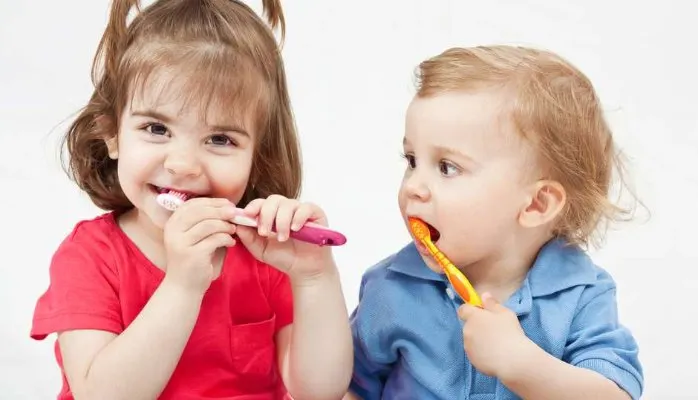
Ways to Make Brushing Teeth Fun for Children
The journey of parenthood brings with it countless beautiful moments, as well as some challenging routines. Perhaps the most “challenging” of these routines is the teeth brushing sessions at the bathroom door in the evenings. “No, I won’t brush,” “It hurts,” “I’m so sleepy” are familiar objections echoing in many homes. However, oral and dental health is not a negotiable matter. Correct hygiene habits acquired in early childhood are the most fundamental investment affecting an individual’s overall health throughout their life. So, is it possible to transform this obligatory routine from a battle into a fun experience that will make your child want to run to the bathroom?
The common opinion of pedagogy and pedodontics (child dentistry) is “yes.” Children naturally learn through play. Brushing teeth, a boring, dictated, and mechanical process; When blended with imagination, colors, music, and play, it can transform into an “enjoyable activity” in a child’s world.
Why Do They Resist? Looking Through the Child’s Eyes
Before finding a solution, it’s necessary to understand the source of the problem. Why do children refuse to brush their teeth?
Firstly, they have difficulty understanding abstract concepts. Phrases like “Your teeth will rot” or “Bacteria will eat your teeth” are too far-fetched for a 3-5 year old child. They live in the moment, and standing still in the bathroom for two minutes is boring when they could be playing.
Secondly, a feeling of loss of control. Especially during the terrible twos and preschool years, children want to have control over their own bodies. A parent forcing an object into their mouth undermines this sense of independence.
Thirdly, sensory sensitivity. The bristles of the toothbrush, the taste of the toothpaste, or the foaming can be irritating for some children.
When we understand these reasons, we see that we should base our strategy not on “coercion,” but on “cooperation and play.”
Strategy 1: Storytelling and Gamification
Your child’s imagination is your strongest ally. Turn a mechanical cleaning process into an adventure.
“Catching the Candy Monsters” Game
Introduce the toothbrush as a “superhero weapon” or “magic wand.” Explain that the food they eat during the day (e.g., pieces of broccoli, chocolate stains) turns into small, mischievous monsters that hide on their teeth. Turn brushing into a hunting game by saying, “Look, there’s a candy monster hiding over there, let’s catch it!” Every brush stroke is a victory.
Role Switching: “Today You’re the Doctor”
Children like to be in control. A few times a week, let them brush your teeth. Call them to action by saying, “I have monsters in my teeth too, please save me, doctor!” This fosters empathy and reduces their fear. Also, letting them brush the teeth of a favorite doll or plush animal is an effective method.
Strategy 2: The Right Equipment Increases Motivation
While functionality is important for adults, “visual appeal” is everything for children. Liking the materials they use allows them to take ownership of the process.
- Let Them Choose: When you go to the store, don’t ask, “Which toothbrush should we get?” That’s too broad a question. Instead, offer two suitable options (soft bristles, small head): “Do you want the blue car one or the red superhero one?” They will be eager to use the brush they chose themselves.
- Take Advantage of Technology (Rechargeable Toothbrushes): Children’s rechargeable (electric) toothbrushes, usable from the age of 3, are like “toys” for children with their vibrating movements and the sounds they make. They also increase cleaning effectiveness in children whose motor skills are not fully developed.
- Tasteful Toothpastes: The sharp mint taste can burn children’s tongues. Using toothpastes specially formulated for children (but containing fluoride), such as strawberry, banana, or gum-flavored, makes the experience more enjoyable.
Strategy 3: Making Time Fun (The 2-Minute Rule)
For a child, 2 minutes (120 seconds) can feel like an eternity. It is necessary to make this time concrete and fun.
Toothbrushing Songs: “2-minute toothbrushing songs” are available on YouTube or music platforms. The rule “We’ll brush until the song ends” makes it easier to keep track of the time and encourages brushing with rhythm.
Hourglass: A simple hourglass with colored sand visualizes the passage of time. As the child watches the sand run out, their focus shifts away from the boredom of brushing.
Mobile Apps: Many toothbrush brands or independent developers have interactive apps that eliminate germs that appear on the screen during brushing or dress up characters. These apps teach time and brushing zones through play. Strategy 4: Reward SystemBehavioral Reinforcement (Behavioral Reinforcement)
Knowing that their efforts are seen and appreciated motivates children. However, the reward should not be “candy.”
Sticker Calendar: Prepare a monthly calendar to hang on the bathroom mirror or wall. After each brushing session in the morning and evening, have your child stick a sticker of their favorite (star, animal figure, etc.) for that day. When the calendar is full or a specific goal is reached (e.g., 1 week of uninterrupted brushing), give a reward with sentimental value (going to the park, having a movie night, buying a favorite book). Approach Chart by Age Groups
Each age group uses a different language. The following table will help you determine the most appropriate approach for your child’s developmental stage:
| Age Group | Developmental Characteristic | Recommended Approach |
|---|---|---|
| 0-2 Years | Period of imitation and exploration. | Have them watch you. Brush briefly in your lap, singing and playing. |
| 2-4 Years | Desire for independence (“I’ll do it myself”). | Allow them to brush themselves, then complete by saying “Let me go over it too”. Play role-playing games. |
| Ages 4-6 | Imagination and competition. | Storytelling (Germ hunters), reward charts, hourglass use. |
| Ages 6+ | Logical thinking and technology. | Plaque staining tablets (to show dirt), mobile apps, electric toothbrushes. |
Plaque Staining Tablets: Making the Invisible Visible
One of the most effective methods for school-aged children aged 6 and over is “Plaque Staining Tablets”. Available from pharmacies, these tablets stain bacterial plaque (dirt) on the teeth pink or blue when chewed. Saying to your child, “Look, where on your teeth are still dirty? Let’s brush away those stains now,” makes cleaning a tangible goal. This method is both fun and allows the child to see where they can’t brush properly (usually the back teeth and gum lines).
Golden Tip for Parents: Be a Role Model
Children do what they see, not what they hear. If you see brushing your teeth as a chore or don’t brush regularly yourself, it’s difficult to expect your child to do the same. Turn brushing into a “Family Activity.” Every evening, go into the bathroom together and stand in front of the mirror at the same time. Seeing you brush with pleasure is the strongest source of motivation for them.
Conclusion
Making brushing teeth fun requires a little creativity and a lot of patience. However, the effort spent in this process is an invaluable investment in your child’s oral and dental health. Instead of coercion and conflict, you can foster this habit by using games, music, technology, and reward systems. Remember, the goal isn’t just to clean teeth, but to instill a lifelong sense of self-care in your child.







