Kahramanmaraş Implant: Who Is a Suitable Candidate?
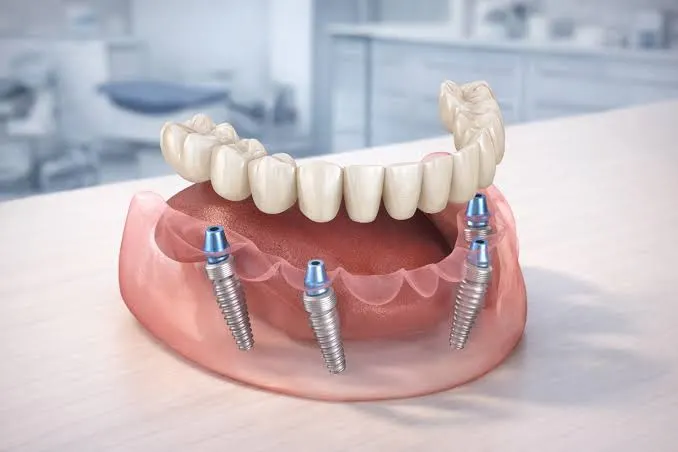
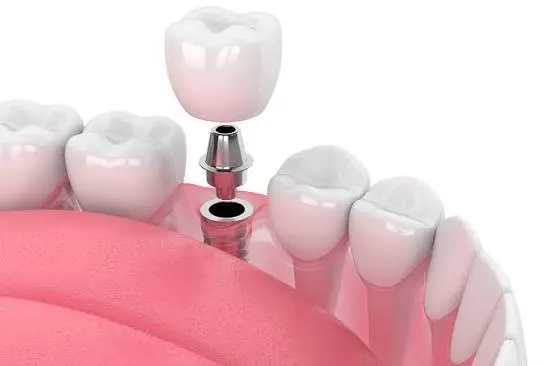
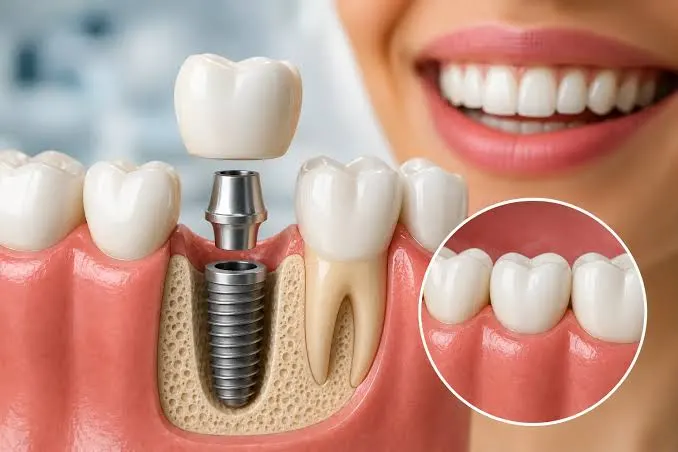
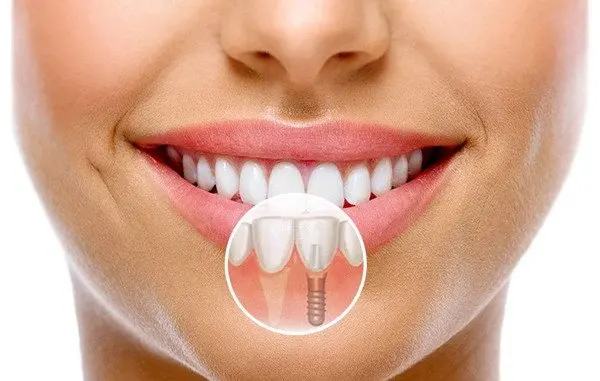
Tooth loss is not merely an aesthetic concern; it is a serious health issue that can lead to loss of chewing function, speech disorders, and jawbone resorption. In modern dentistry, dental implants—considered the “gold standard” for treating missing teeth—stand out by mimicking the natural tooth root structure. As interest in oral and dental health services continues to grow in the Kahramanmaraş region, one of the most frequently asked questions by patients is: “Who is suitable for dental implants in Kahramanmaraş?” Is implant treatment a standard procedure that can be applied to everyone, or does it require meeting specific biological criteria?
Fundamental Biological Criteria for Implant Treatment
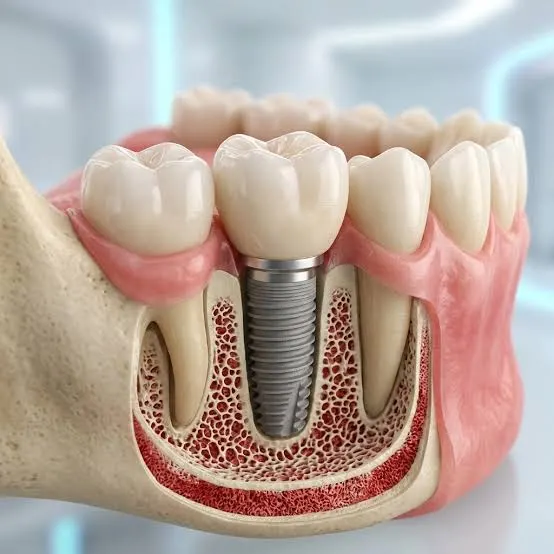
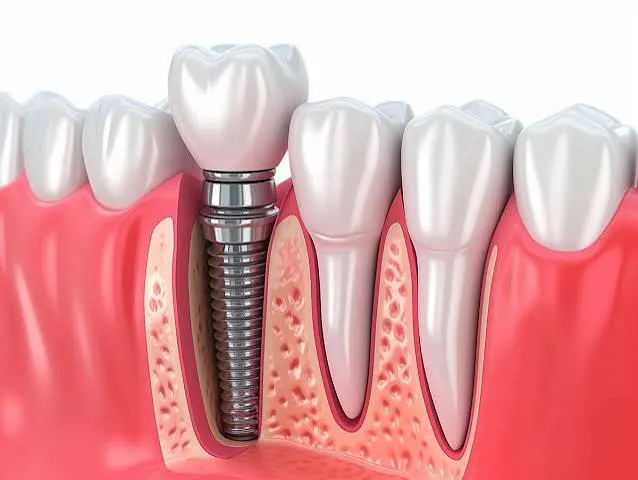
Dental implant placement is a surgical procedure, and its success depends on a process called “osseointegration,” where the implant biologically bonds with the surrounding bone tissue at a cellular level. Therefore, the candidate must meet certain basic health requirements. During the initial examinations performed in clinics across Kahramanmaraş, dentists primarily evaluate the following two key factors:
1. Bone Development and Age Factor
There is no upper age limit for implant treatment; implants can be safely placed even in individuals aged 80 or 90, provided their general health condition is stable. However, there is a minimum age requirement. Jawbone growth must be fully completed. This typically occurs around ages 16–17 in females and 17–18 in males. Placing an implant in a jaw that is still developing may lead to asymmetry and positional instability of the implant over time.
2. Jawbone Volume and Quality
An implant can be compared to a screw; it requires a solid wall (bone) to anchor securely. Adequate bone height and width must be present in the area where the implant will be placed. In patients with long-term tooth loss, periodontal disease, or bone resorption due to trauma, bone volume may be insufficient. This does not necessarily mean that the patient is not eligible for implant treatment; however, it may indicate the need for advanced surgical procedures such as “Sinus Lifting” or “Bone Grafting.”
Systemic Diseases and Implant Eligibility
One of the main concerns for patients considering implant treatment in Kahramanmaraş is the presence of chronic systemic diseases. However, advances in medical science have eliminated many of these conditions as absolute contraindications. Below are some common conditions and their relationship with implant treatment:
- Diabetes Mellitus: Uncontrolled diabetes poses a risk due to delayed wound healing and increased infection susceptibility. However, implant treatment can be safely performed in patients whose diabetes is well-controlled and whose HbA1c (three-month average blood glucose level) is within acceptable limits.
- Cardiovascular and Hypertension Patients: With cardiology consultation and appropriate precautions (such as adjusting anticoagulant medications), implant treatment can be carried out. Patients who have experienced a heart attack within the last 6 months should postpone implant procedures.
- Osteoporosis (Bone Loss): Generalized osteoporosis is not an absolute contraindication for dental implants. However, patients using medications from the “Bisphosphonate” group require a thorough risk assessment.
Who Is Suitable and Who Is High-Risk? Comparative Overview
The table below clearly summarizes ideal candidates and groups requiring special consideration.
| Ideal Implant Candidates | Candidates Requiring Special Protocols | Conditions Where Implants Are Not Recommended |
|---|---|---|
| Individuals over 18 with completed bone development. | Patients with well-controlled Type 2 Diabetes. | Patients undergoing active chemotherapy or radiotherapy (head and neck region). |
| Patients with good oral hygiene habits. | Heavy smokers (more than 10 cigarettes per day – reduced success rate). | Patients with uncontrolled systemic diseases. |
| Individuals with sufficient bone volume. | Cardiac patients using anticoagulant medication (with physician approval). | Patients with severe psychiatric disorders and poor treatment compliance. |
| Systemically healthy individuals. | Patients with bruxism (teeth grinding) habits (night guard required). | Advanced bone loss cases where grafting is not feasible. |
Kahramanmaraş Region and Local Factors
Regional habits can indirectly influence implant treatment success and patient suitability. The rich cuisine of Kahramanmaraş—featuring hard-shelled nuts, tarhana, and meat-heavy dishes—requires strong chewing efficiency. This is not merely an advantage but a necessity for patients considering implants. For individuals who struggle to consume these foods with removable dentures, dental implants represent the only way to regain their former eating comfort.
Smoking is one of the greatest enemies of implant surgery. The heat of the smoke and the toxic substances it contains impair blood circulation (oxygenation) in oral tissues. This can hinder osseointegration or increase the risk of “Peri-implantitis.” When assessing implant suitability, a patient’s willingness to quit or significantly reduce smoking is a key criterion for clinicians.
Radiological Evaluation and Final Decision
The definitive answer to the question “Is my bone suitable for implants?” is not found through visual examination alone, but through advanced radiological imaging. “Dental Volumetric Tomography” (3D CBCT), used in modern clinics in Kahramanmaraş, allows millimetric measurement of bone structure, visualization of nerve canals, and assessment of bone quality. Based on this data, your dentist can confidently determine whether you are suitable for implant placement or if preliminary bone augmentation procedures are required.