Why is Orthognathic Surgery Performed?
Consider the rich cuisine of Kahramanmaraş; an exquisite “eli böğründe” (a type of Turkish dessert), firm pounded ice cream, or well-cooked meat… To enjoy these flavors, not only an appetite but also a healthy and strong chewing system is needed. However, for an individual whose lower jaw is too far forward or whose upper jaw is underdeveloped, even these simple actions can become a struggle.
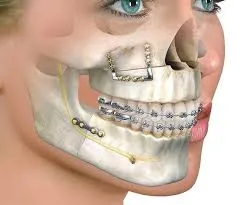
Orthognathic surgery (Jaw Surgery), although generally known as an “aesthetic procedure” among the public, actually arises from a medical necessity. It is the surgical cutting of the jawbones and their repositioning to their ideal positions in skeletal disorders that braces (orthodontics) alone cannot solve.
1. Functional Reasons: “Inability to Chew Properly”
The number one reason for performing orthognathic surgery is loss of function. The primary function of teeth and jaws is to grind food.
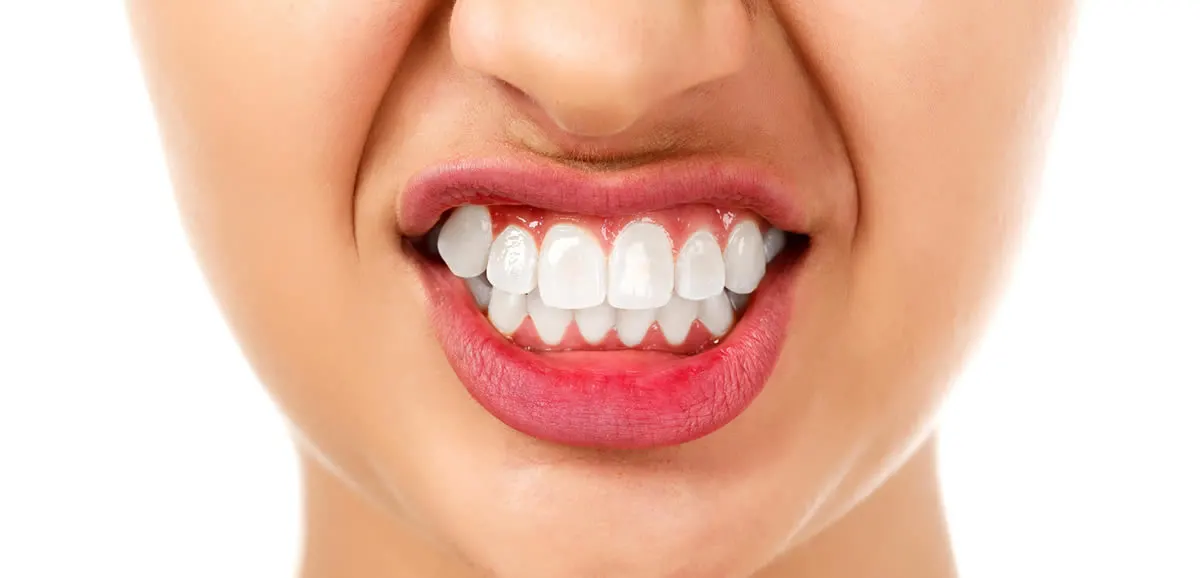
In patients with jaw misalignment (the lower jaw is too far forward or too far back), the teeth do not make full contact (malocclusion). Especially in cases of “open bite,” the patient cannot even bite into a sandwich with their front teeth. They are forced to swallow food whole. This puts excessive strain on the digestive system and, in the long term, leads to stomach diseases such as gastritis, reflux, and indigestion. In a rich and meat-heavy culinary culture like that of Kahramanmaraş, the lack of chewing function seriously reduces the quality of life.
2. Respiratory Tract and Sleep Apnea Treatment
Perhaps this is the most vital reason for this surgery. In patients with a significantly recessed lower jaw (retrognathia), the base of the tongue retracts, narrowing the airway.
This results in shortness of breath during the day and severe snoring and sleep apnea (cessation of breathing during sleep) at night. Sleep apnea is a deadly syndrome that increases the risk of heart attack and hypertension. Orthognathic surgery, orthognathic advancement (maxillomandibular advancement), permanently widens the airway and saves the patient from suffocation. It is a definitive solution for patients who do not want to use a CPAP device (mask).
📍 Kahramanmaraş and Health Awareness
In Kahramanmaraş, prognathism (lower jaw protrusion), especially seen in young adults, is a common condition, partly due to genetic factors. While this condition was once considered “fate,” today, with the development of KSÜ Faculty of Medicine and private clinics, our patients are aware that it is a correctable health problem. Now, surgery is sought not only for “looking good,” but also for “breathing comfortably.”
3. Protecting Temporomandibular Joint (TMJ) Health
When the jaws do not close in harmony, the tons of load generated during chewing are distributed unevenly. This load is placed on the temporomandibular joint (TMJ), the area in front of the ear.
Over time, sounds (clicks), pain, limited mouth opening, and even osteoarthritis may begin in the joint. Orthognathic surgery balances the load on the joint by correcting the bite of the teeth, and stops or prevents the progression of TMJ disorders.
4. Facial Aesthetics and Psychosocial Reasons
Another reason as important as function is aesthetics. The face is a person’s window to the world. Serious jaw disorders distort a person’s facial expression and profile.
- Jaw Protrusion: Gives the face a harsh, aggressive, and aged expression.
- Jaw Recession: Creates a “bird face” appearance, causing the chin area to sag and the nose to appear larger than it is.
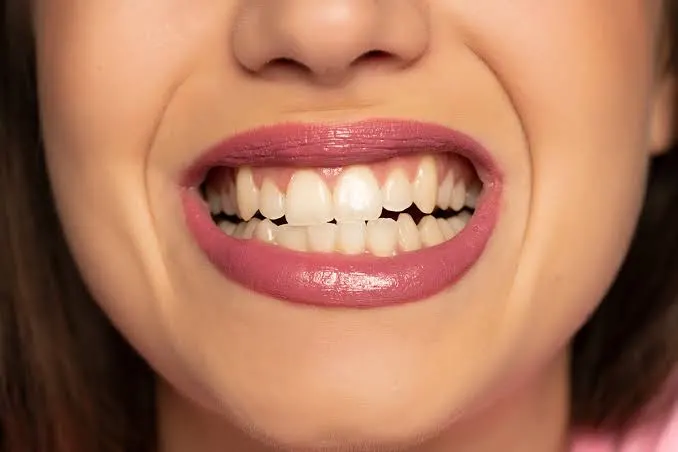
- Gummy Smile: Sagging of the upper jaw causes excessive gum visibility when smiling.
- Asymmetry: Shifting of the jaw to the right or left disrupts the balance of the face.
These conditions can lead to serious loss of self-confidence, social isolation, and depression, especially in young individuals. After surgery, not only the patients’ jaws but also their outlook on life improves.
🎨 “Profiloplasty” Effect
Orthognathic surgery is actually the most effective facial aesthetic operation. When the jaws are in the correct position; the tip of the nose lifts, the cheekbones become more prominent, lip fullness increases, and the double chin disappears. The patient achieves the ideal “Golden Ratio” with their own bone structure, without using any fillers or prostheses.
In Which Cases Should Surgery Be Performed “Absolutely”?
The following table summarizes why surgery is a “necessity” and not an “option”:
| Current Situation | Possible Consequences If Surgery Is Not Performed |
|---|---|
| Severe Mandibular Retrusion | Sleep apnea, risk of heart disease, premature aging appearance. |
| Severe Mandibular Protrusion | Inability to bite with front teeth, stomach problems, joint problems pains. |
| Open Bite | Speech disorder (lisping), decay and loss of only the back teeth. |
| Facial Asymmetry | Unilateral wear and tear in the temporomandibular joint, neck and headaches. |
How Does the Process Work in Kahramanmaraş?
This surgery is a team effort. The process generally consists of the following steps:
- Orthodontic Preparation: Teeth are straightened with braces (may take 1 year).
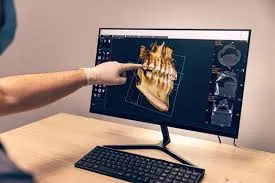
- Surgical Planning: Surgery is planned with tomography and digital analyses.
- Operation: Performed in a fully equipped hospital under general anesthesia.
- Recovery and Completion: The process is completed with a short period of orthodontic treatment after surgery.
⚕️ Is There an Age Limit?
Orthognathic surgery is performed after bone development is complete (17-18 years for women, 18-20 years for men). There is no upper age limit; any adult with good bone health and who can undergo general anesthesia can have this surgery.
Conclusion: Don’t Postpone Your Life
Why is orthognathic surgery performed? Because everyone deserves healthy breathing, painless chewing, and to feel good about themselves when they look in the mirror.
In Kahramanmaraş, with our experienced surgeons and modern healthcare infrastructure, we are by your side on this journey of transformation. If you also have difficulty eating a sandwich, experience breathing difficulties in your sleep, or are unhappy with your profile; the solution is not to accept your fate, but orthognathic surgery, a scientific and permanent treatment.