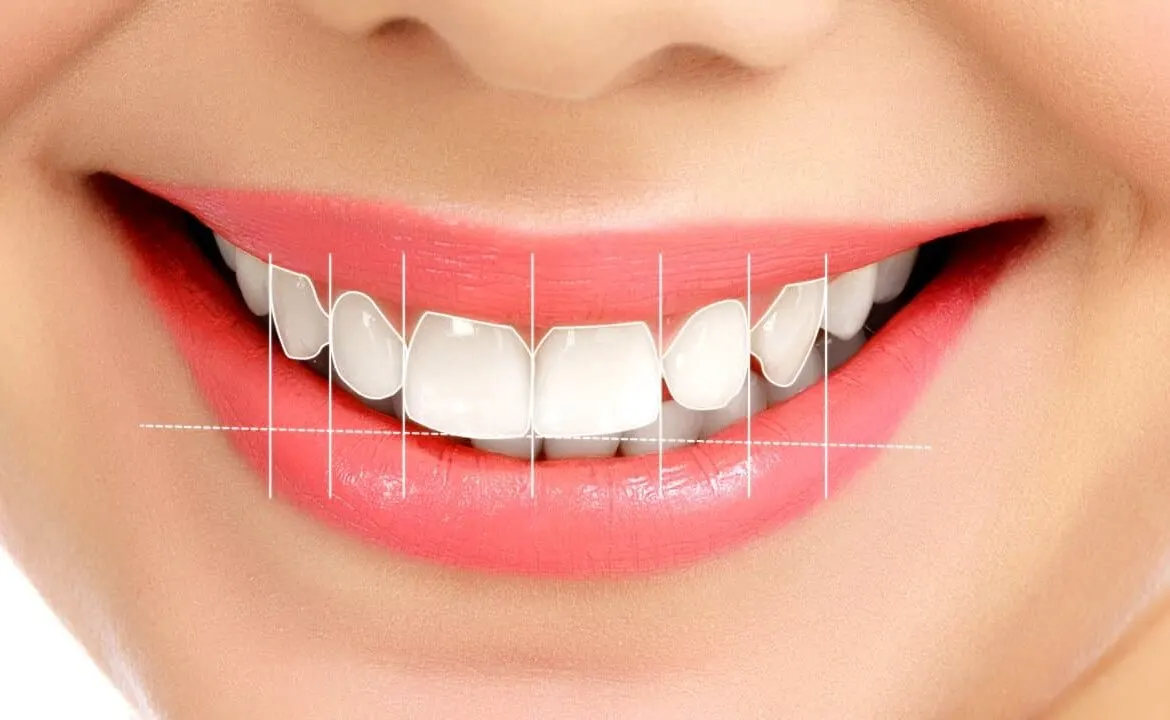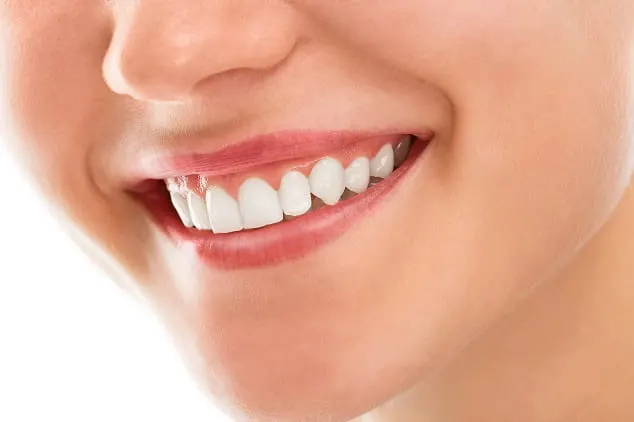
Being able to see the result before committing to a permanent change is important to many people considering smile design. A smile design mock up is used for exactly that: the planned new smile is transferred onto your existing teeth in a temporary composite material and tried in the mouth. You can then judge the shape, length and fit of the teeth with your face in the mirror, in photos and while speaking. This article explains what a mock-up is, how it is made, what it is used for and where its limits lie.
What is a smile design mock up?
A mock-up is often called a “trial smile” or “test drive” smile. It is a way of bringing the design your dentist has prepared into the mouth using temporary material, before the teeth are prepared or with only minimal preparation. The material is usually a tooth-coloured composite resin that is easy to shape and can be removed afterwards.
Mock-ups and the “temporaries” used during treatment are often confused. The difference can be summed up like this:
- Mock-up (trial): Made before a treatment decision, to test the design. The teeth are usually not reduced, and in most cases it is removed at the same visit.
- Temporary restorations: Fitted after the teeth have been prepared for veneers or crowns, while the final restorations are made in the lab. They are worn for a few days to a few weeks.
In some plans the temporaries are also made from the mock-up design, so you can try the new smile in daily life before the final restorations.
Who might benefit from a mock-up?
Mock-ups are most often used when changes to the shape, size or proportions of the front teeth are planned. Common situations include:
- Planning to change the look of the front teeth with veneers or zirconia crowns
- Teeth that look short, worn or chipped
- Gaps between the teeth that you would like closed
- Being unsure how a new smile will suit your face and wanting to see it before deciding
On the other hand, if only teeth whitening or a small bonding repair on one tooth is planned, a mock-up is usually unnecessary. If there is active decay or gum inflammation, these are treated first. Whether a mock-up will add value to your plan is decided with your dentist after the examination and discussion.
How is a mock-up made and applied?
The process usually runs as follows:
- Records: Intraoral and facial photos, sometimes video, and impressions or a digital scan of the teeth.
- Design: The new tooth shapes are created either in wax on stone models (a wax-up) or with digital smile design (DSD) software.
- Making a key: A clear or silicone mould is produced from the design.
- Transfer to the mouth: Temporary composite is placed in the mould and seated over the teeth. Once it sets, the mould is removed and excess material is cleaned away.
- Evaluation: The smile is reviewed together in the mirror, in photos and during speech. Small adjustments can be made if needed.
Because it usually involves no reduction of tooth structure, most people do not need anaesthetic. Depending on the scope of the design, it is often completed in a short appointment.
What is a mock-up used for?
A mock-up guides both patient and dentist in several ways:
- Previewing the result: You can see how the new smile suits your face before anything permanent is done.
- Easier communication: Requests like “a little longer” or “more rounded” are easier to discuss with a physical model in front of you, which helps clarify expectations.
- Testing speech and lip support: Tooth length and thickness can affect certain sounds and how the lips sit. A mock-up gives an early indication.
- Guiding conservative preparation: Working through the mock-up, the dentist can plan more precisely how much tooth structure needs to be removed. In some cases this helps avoid unnecessary reduction.
- Guiding the lab: Photos and impressions of the approved mock-up can serve as a reference when the final restorations are made.
This is why a mock-up is an important planning step, particularly for laminate veneers and front-tooth crowns.
Limits of a mock-up and what to keep in mind
A mock-up is a valuable tool, but it has limits:
- It is not an exact copy of the final result: The colour, gloss and translucency of temporary composite differ from porcelain or zirconia. Final restorations generally have a more natural surface appearance.
- It may look bulkier: Because it is usually added on top of unprepared teeth, it can look slightly thicker, especially if the teeth are being built forward.
- It does not suit every case: With very crowded teeth, or where teeth need to move back, a mock-up may not reflect the design fully. Digital simulation or orthodontic treatment may then be considered.
- Limited durability: Mock-ups worn for a few days can chip, stain or come off.
- Gum irritation: If plaque builds up at the edges, the gums may become slightly red.
A mock-up should be seen as a preview that helps clarify expectations.
Moving from mock-up to final treatment
Once any changes to the mock-up are agreed, the permanent treatment plan becomes clear. If veneers or crowns are planned, the teeth are often prepared in a controlled way through the mock-up, impressions are taken and temporaries fitted. When the lab work is complete, the final restorations are tried in and bonded.
If you have been asked to keep the mock-up for a few days, avoid hard and sticky foods, brush gently and limit strongly coloured drinks. Getting feedback from people around you and noticing how you feel in daily life can also help you decide. For more on how digital planning supports this process, see digital smile design and aesthetic planning.
Frequently asked questions
Are my teeth drilled for a mock-up?
In most cases, no. A mock-up is made by adding temporary material over your existing teeth and can be removed afterwards. Some plans may need very minor adjustments, and your dentist will tell you in advance. The aim is to avoid anything irreversible before a treatment decision is made.
How long can a mock-up stay on?
A mock-up is usually evaluated and removed at the same appointment. Sometimes it is left on for a few days so you can try the new smile in everyday life. Because the material is not designed for long-term wear, this period is kept short.
What if I don’t like the mock-up?
Making changes easy is the whole point of a mock-up. You can share your wishes about shape, length or proportions with your dentist and ask for the design to be adjusted. A new trial can be made if needed.
How is a mock-up different from a digital smile simulation?
A digital simulation shows the new smile on a photo on a screen. A mock-up lets you see the design in your mouth, with real lip and facial movement. In most plans the two are used together.
If you are considering smile design, whether a mock-up is right for you and how the plan will progress become clear at the examination. A dental examination, whether in Kahramanmaraş or wherever you live, is a calm starting point for weighing your expectations and oral health together and planning a suitable option.
This article is for general information only; the right treatment for you is decided by your dentist after an examination and any necessary tests.