How well an implant works depends heavily on the assessment carried out before the procedure. That is why a thorough examination and, in most cases, a dental implant CT scan are core steps in planning. At this stage your dentist looks at the amount of jawbone you have, the position of key structures such as nerves and the sinuses, the health of your gums and your general health. Which tests are needed varies from person to person: replacing a single tooth may not call for the same level of detail as treating a whole jaw. In this article we explain which examinations and tests are usually done before implants, what they show and how you can prepare for your appointment.
What is assessed at the pre-implant examination?
The first consultation matters as much as the imaging. The examination usually covers:
- Medical history: chronic conditions (such as diabetes, heart disease or osteoporosis), past surgery, allergies and pregnancy.
- Medications: blood thinners, drugs that affect bone metabolism and treatments that suppress the immune system can all affect planning.
- Habits: smoking, clenching or grinding, and your oral hygiene routine.
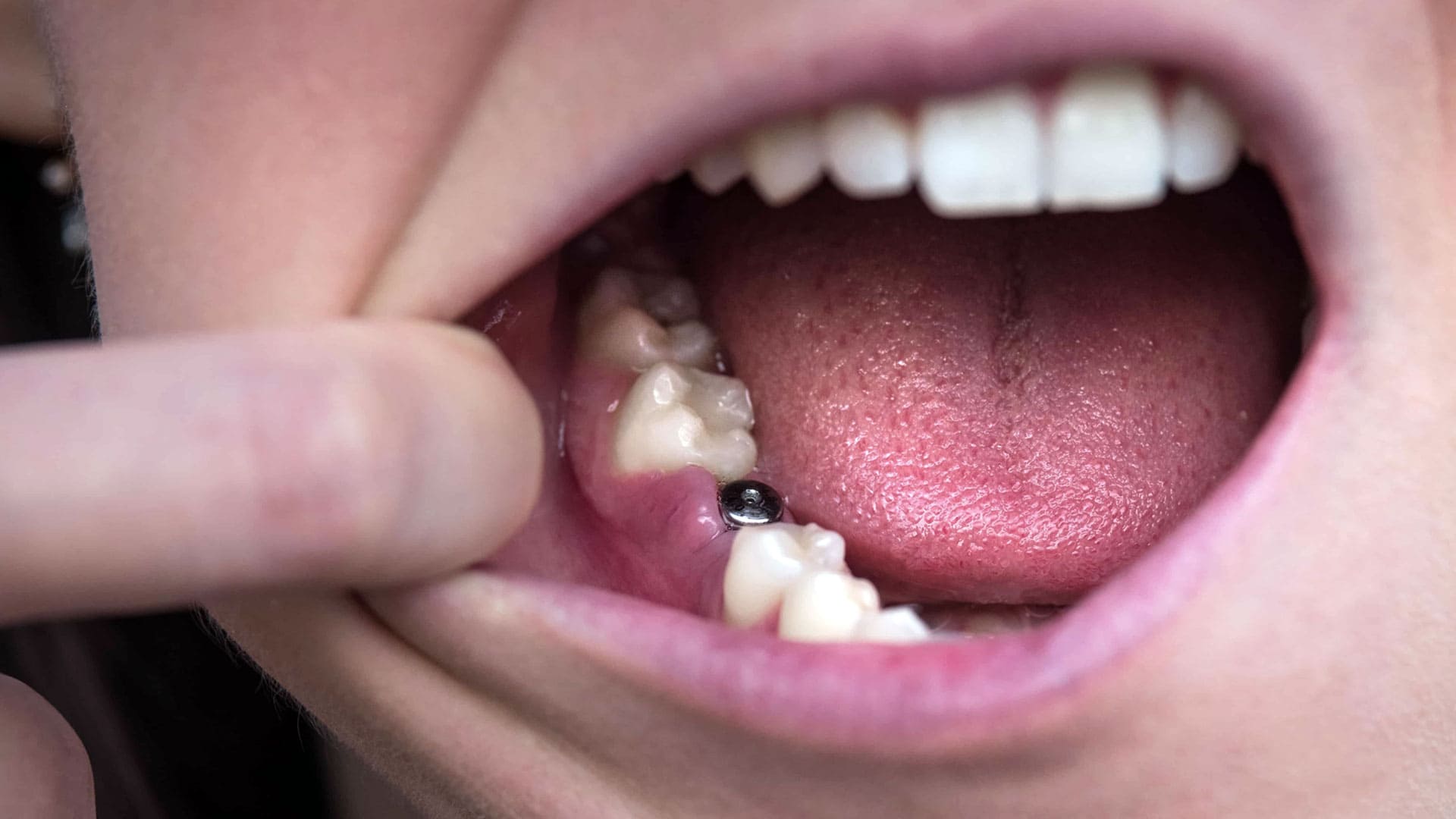
- Oral examination: the gap, the neighbouring teeth, any decay, gum health and your bite (how the teeth meet).
- Expectations: you can discuss what you hope for in terms of appearance and chewing, and any priorities around timing.
If active gum disease or untreated decay is found, it is usually recommended that these are treated before implant surgery.
What does a panoramic X-ray show?
A panoramic X-ray is a two-dimensional image that shows all the teeth, both jaws and the jaw joints in one picture. It is often taken at the first visit and gives a quick overview of the mouth. It can give early information about impacted teeth, infection at the root tips, cysts and bone loss.
However, a panoramic X-ray is flat and does not show the width of the bone, meaning its thickness from cheek to tongue. Some areas can also appear magnified or distorted. For implant planning it is therefore usually not considered enough on its own and is complemented by 3D imaging.
Why is a dental implant CT scan taken?
The cone beam computed tomography (CBCT) scan used in dentistry produces a three-dimensional image of the jaw. With a dental implant CT scan, your dentist can assess in detail:
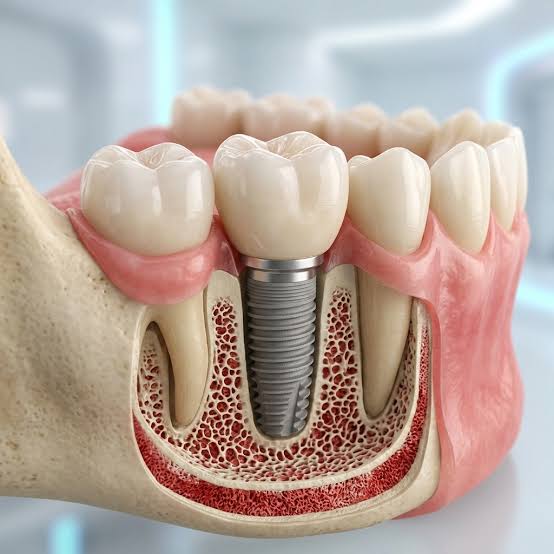
- The height, width and density of the bone
- The distance from the implant site to the nerve canal in the lower jaw and the sinus in the upper jaw
- Hollows, slopes and defects left by earlier extractions
- The appropriate length, diameter and angle of the implant
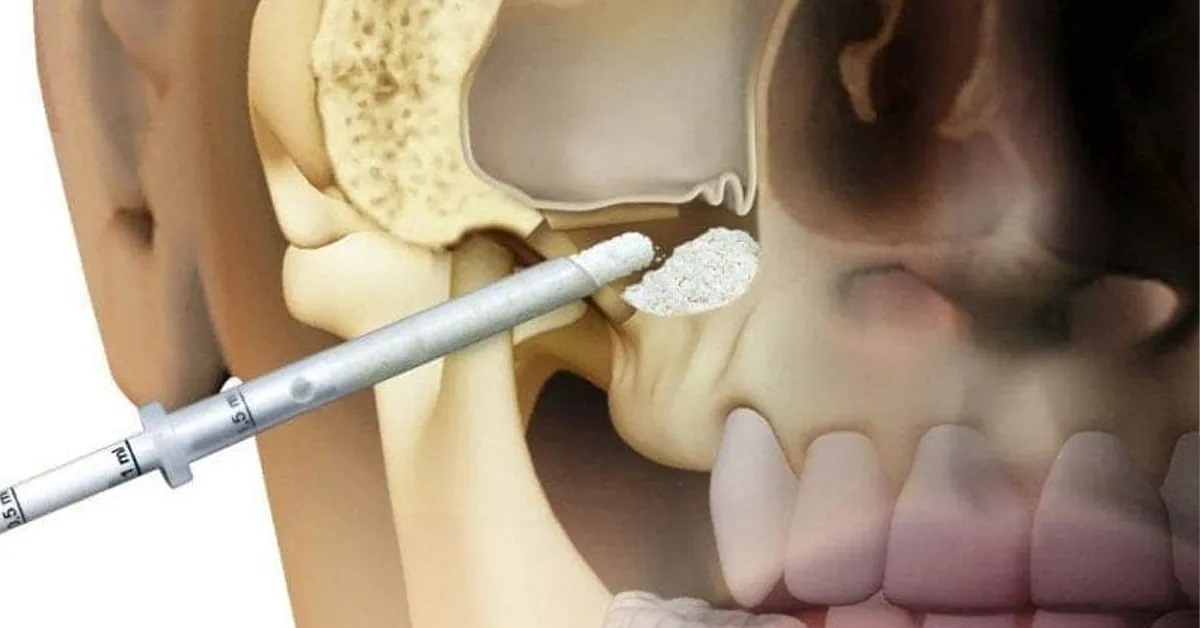
- Whether additional procedures such as a bone graft or sinus lift are needed
Given why the jawbone matters so much in implant procedures, knowing these details in advance helps make the procedure more predictable and reduces avoidable risks. In some cases the scan data is also used for virtual implant planning on a computer and to make surgical guides that help place the implant in the planned position.
Is the radiation dose of a CBCT scan high?
Dental CBCT scanners usually use a lower dose than the medical CT scanners used in hospitals, and the scan can be limited to the area needed. Even so, as with any imaging, a scan is only requested when it is expected to bring clinical benefit. If there is any chance you are pregnant, tell your dentist before the scan.
What other tests may be requested?
Alongside imaging, extra tests may be needed depending on your situation:
- Blood tests: for people with diabetes, values such as HbA1c that reflect blood sugar control; in some cases a blood count or clotting tests.
- Your doctor’s opinion: if you have heart disease, take blood thinners or osteoporosis medication, or have had cancer treatment, the doctor managing your care may be consulted.
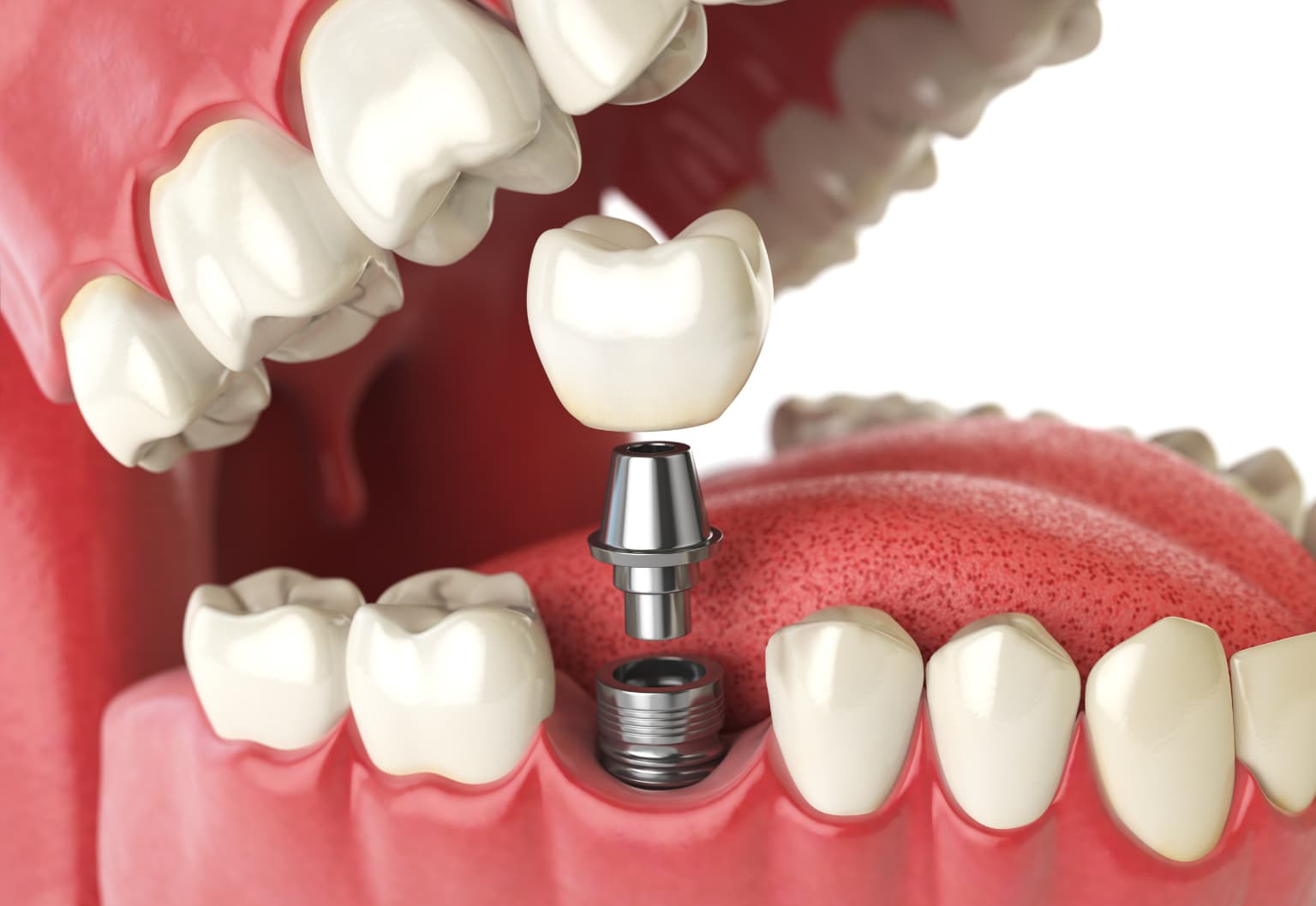
- Intraoral scan or impressions: a digital scan or impressions of your teeth and bite help plan the position of the implant and the tooth that will sit on it.
- Photographs: intraoral and facial photos may be taken for aesthetic planning, especially for front teeth.
- Gum measurements: pocket depths and bleeding may be recorded to assess gum health.
Not every patient needs all of these. Your dentist decides which tests are needed based on what the examination shows and the scope of the planned treatment.
How is the treatment plan built from the results?
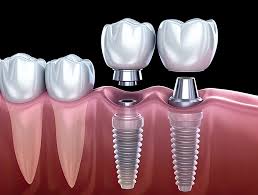
Once the examination and imaging results are brought together, your dentist explains the options that suit you. The plan usually covers how many implants are needed, where they will go, whether extra surgery is needed, temporary tooth options and an estimated timeline. The stages of implant treatment are then shaped around this plan.
Sometimes the tests show that an implant is not suitable for now, or that other treatment is needed first. In that case options such as a bridge or denture are also discussed. Asking questions about anything you do not understand, and looking at the images together with your dentist, can help you make an informed decision. The tests also help predict healing time; for example, why implant healing time can differ between the upper and lower jaws is closely linked to bone density.
How can you prepare for the appointment?
A little preparation helps make the assessment more complete:
- Write down the names and doses of all the medicines you take.
- Bring any recent blood test results and previous dental X-rays or scans.
- Be ready to describe chronic conditions and past operations.
- Be open about clenching, smoking or any tendency to bleed.
- Note down the questions you want to ask.
Frequently asked questions
Is a CT scan always needed before dental implants?
It is not mandatory in every case, but it is recommended in most implant planning. 3D imaging is particularly useful when bone is borderline, when the site is close to a nerve or sinus, or when several implants are planned.
How long does a dental CT scan take, and does it hurt?
The scan usually takes a few minutes and causes no pain. Keeping still during the scan is important for a clear image.
Can a scan I had before be used?
A recent scan that clearly shows the implant site can sometimes be used. If something has changed since, such as an extraction, or the image is not adequate, a new scan may be needed.
Is the implant decision made at the first visit?
In some straightforward cases a general roadmap can be outlined at the first visit. The final plan is usually made after the imaging and, if needed, test results have been reviewed.
If you are considering an implant, the first step is a dental examination in which your medical history, oral health and bone are assessed together. After the necessary tests, your dentist can plan the options that suit you, any additional procedures and the overall process together with you.
This article is for general information only; the right treatment for you is decided by your dentist after an examination and any necessary tests.