Losing a single tooth can seem like a minor problem, but over time it can affect chewing, speech, your smile and the position of the neighbouring teeth. The two options most often discussed for filling the gap are a dental implant and a fixed bridge. There is no single answer to the implant vs bridge question that applies to everyone; the decision depends on the condition of the neighbouring teeth, the jawbone, your general health and what you expect from treatment. This article compares the two approaches in terms of how they are done, their benefits and limitations, and the main factors that shape the choice.
Why replace a missing tooth at all?
When a gap is left open, the teeth on either side can gradually tilt into the space, and the opposing tooth in the other jaw may drift towards it. These shifts can change your bite, trap food and make cleaning harder. The jawbone where the root used to be also shrinks over time. For these reasons it is worth discussing how to replace the tooth with your dentist without waiting too long after the loss.
How does a dental implant work?
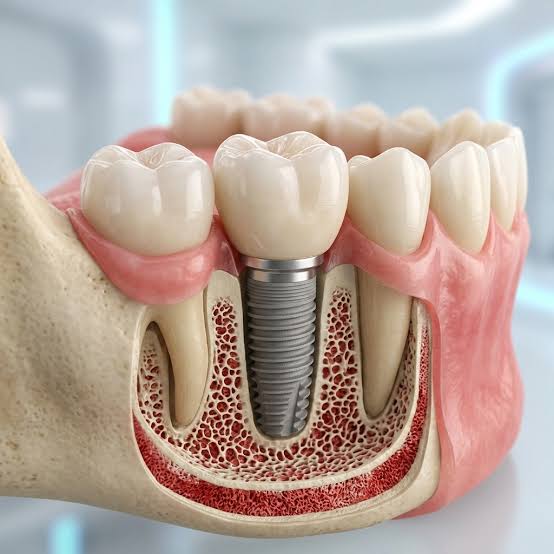
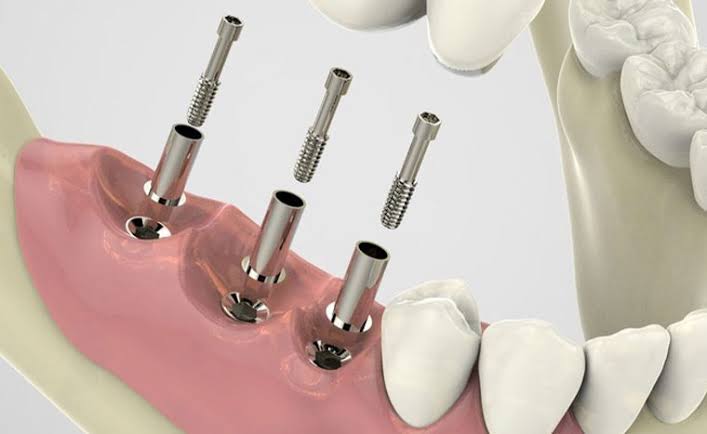
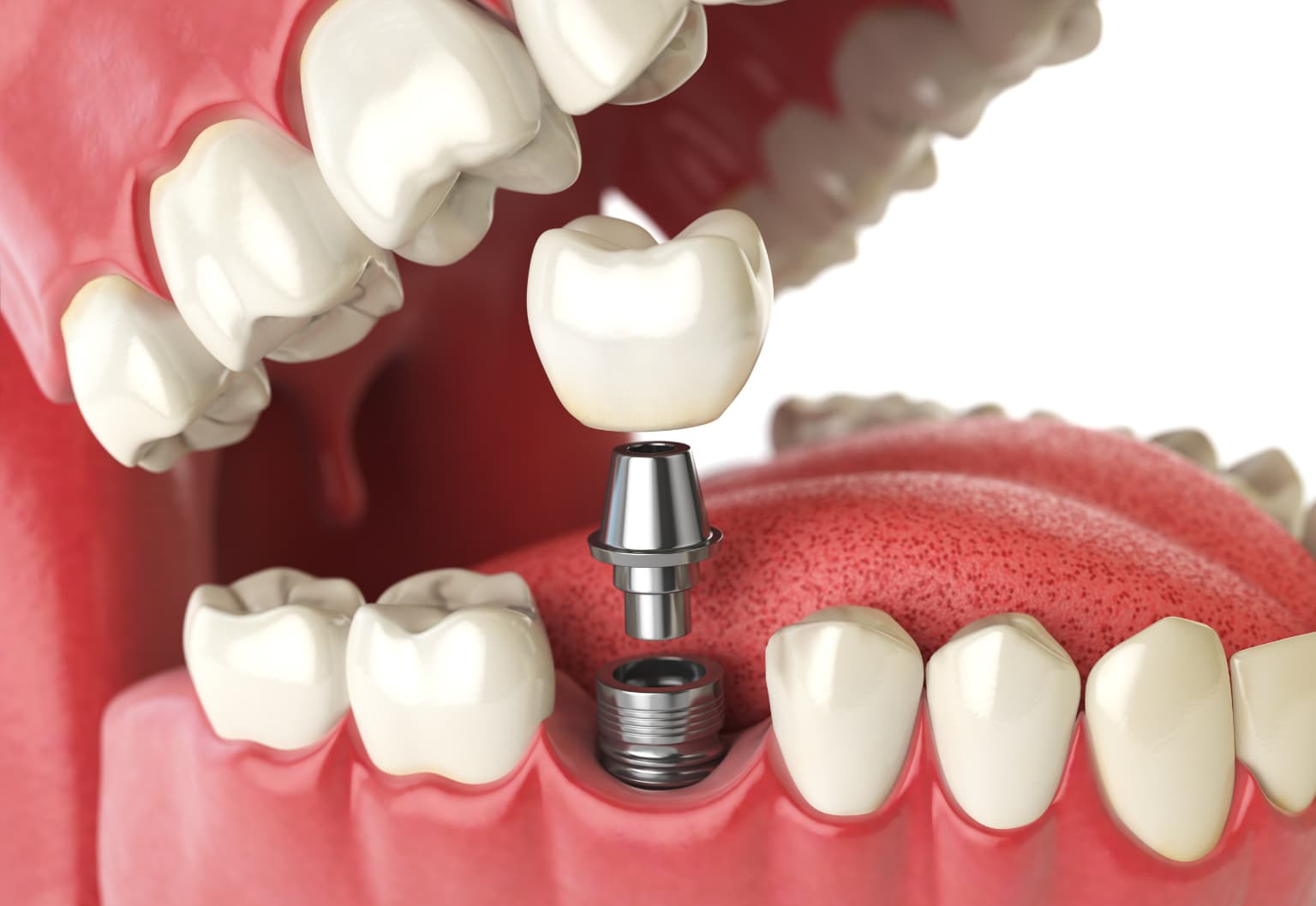
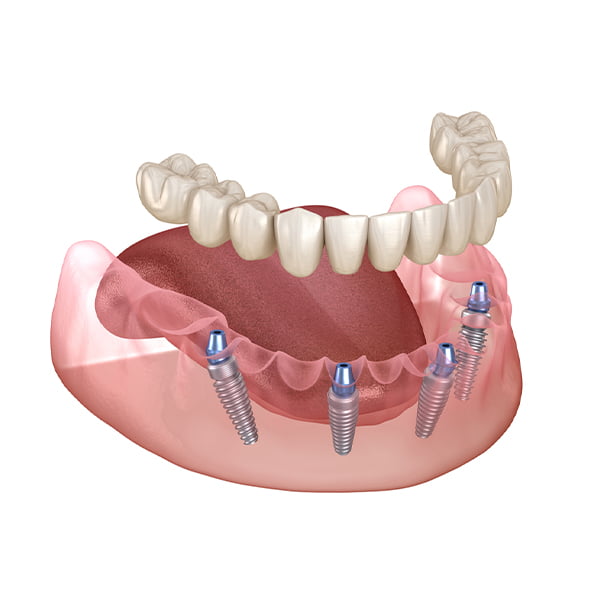
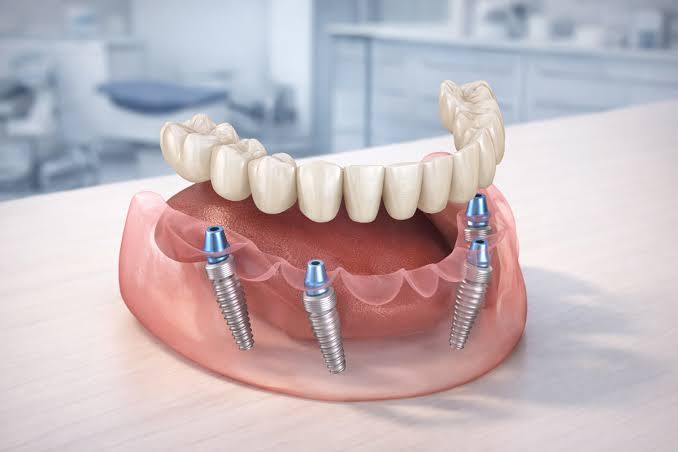
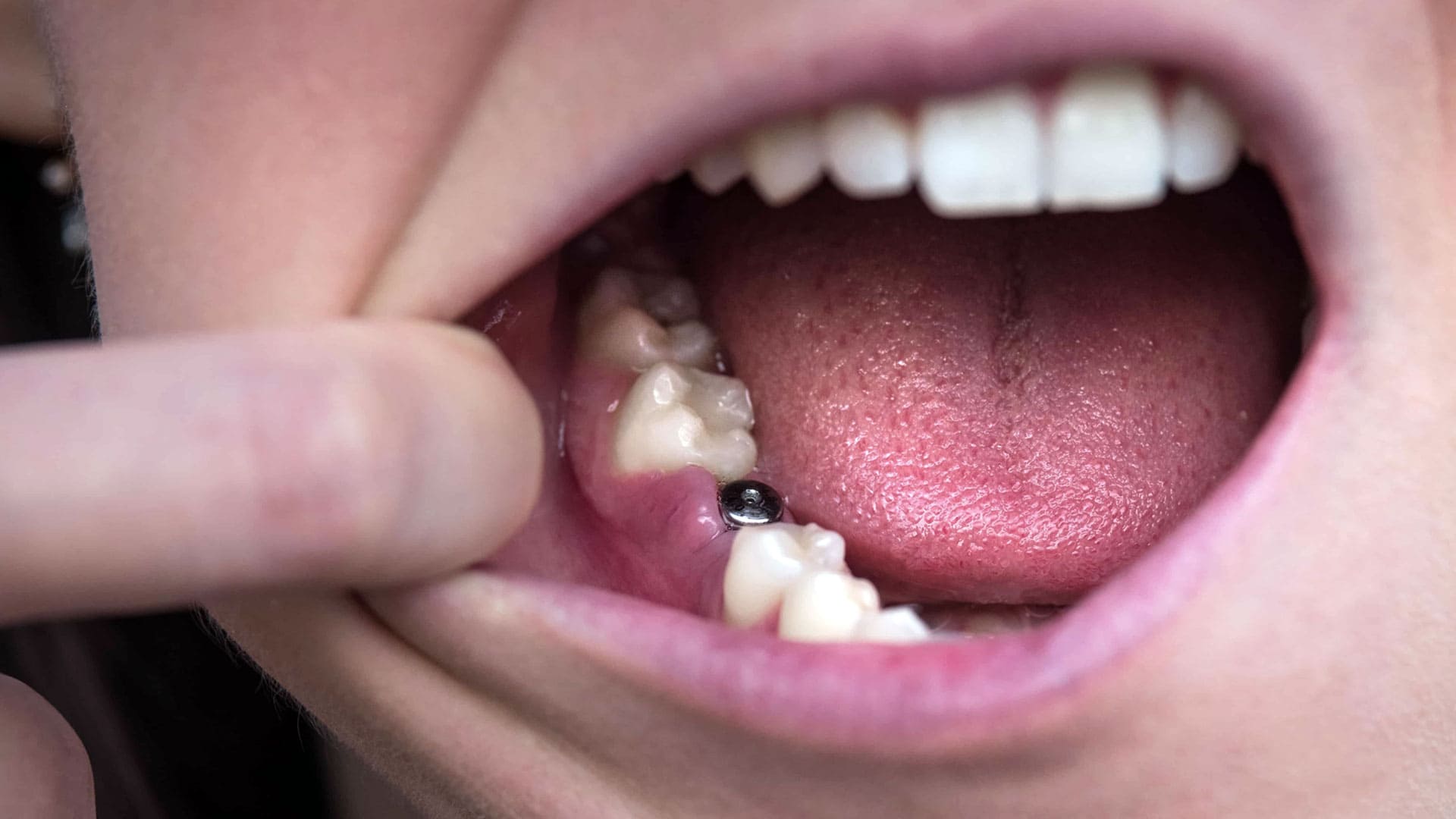
An implant is a small screw, usually made of titanium, that is placed in the jawbone and fuses with it to act as an artificial tooth root. Once this fusion (osseointegration) is complete, a connector called an abutment and a crown are attached on top. You can read about each step in our article on how dental implants are placed.
The main advantages are:
- The neighbouring teeth are left untouched; no drilling is needed on them.
- Because it acts as a root, it helps preserve the bone in that area.
- It stands on its own, so you can floss around it much like a natural tooth.
- With good care, it can last for many years.
The main limitations are:
- It requires a surgical procedure.
- If bone is lacking, extra procedures such as a bone graft or sinus lift may be needed.
- Treatment usually takes longer; bone fusion typically takes two to six months.
- Uncontrolled diabetes, heavy smoking and certain medications can reduce the chance of success.
How does a fixed bridge work?
In a conventional bridge, the teeth on either side of the gap are reshaped and fitted with crowns. The artificial tooth that replaces the missing one, called a pontic, is joined to these crowns and spans the gap. Bridges can be made from zirconia, porcelain fused to metal or all-ceramic materials.
The main advantages are:
- No surgery is required.
- Treatment is usually completed within a few weeks.
- It can be an option for people with limited bone who prefer to avoid additional surgery.
- If the neighbouring teeth already have large fillings or crowns, covering them can also benefit those teeth.
The main limitations are:
- Healthy tooth structure must be removed from the neighbouring teeth, and this cannot be reversed.
- Supporting teeth may later develop decay, sensitivity or need root canal treatment.
- Cleaning under the pontic requires special tools such as super floss or interdental brushes.
- Bone loss under the pontic may continue.
Resin-bonded (Maryland) bridge
Particularly at the front of the mouth, where biting forces are lower, a winged bridge bonded only to the back surfaces of the neighbouring teeth may be an option. Very little tooth preparation is needed, but it is more likely to come loose than a conventional bridge and does not suit every bite.
Implant vs bridge: factors that shape the decision
Your dentist will usually weigh the following together:
- Condition of the neighbouring teeth: if they are sound and unfilled, single tooth implant treatment is often preferred to avoid reshaping them. If they already have large fillings or need crowns, a bridge may make sense.
- Bone quantity and quality: a 3D scan measures the height, width and density of the bone. If bone is lacking, the need for additional procedures is discussed.
- General health: uncontrolled diabetes, a history of head and neck radiotherapy, medications that affect bone metabolism and bleeding disorders are all considered.
- Gum health and oral hygiene: active gum disease should be brought under control before either treatment.
- Bite and clenching: night-time clenching or grinding may call for extra precautions with both options.
- Time and expectations: some people want to avoid surgery or complete treatment within a short period, and these preferences are taken into account.
Comparing timelines, durability and care
A bridge is usually completed within one to three weeks over a few appointments. With an implant, the placement, healing and crown stages mean the process often takes several months, although in some suitable cases a temporary tooth can be fitted on the same day.
Both options can last many years with good care. Studies generally report high long-term success rates for single-tooth implants, while the lifespan of a bridge depends largely on the health of the supporting teeth. Complications are possible with either: peri-implantitis or a loose screw with an implant, and decay in a supporting tooth or a bridge coming loose with a bridge.
Both need regular brushing, cleaning between the teeth and check-ups, usually every six months. With a bridge, cleaning under the pontic deserves special attention; with an implant, the health of the gum around it does.
Appearance at the front of the mouth
When a front tooth is missing, appearance plays a bigger role. If the gum is thin or there is noticeable bone loss, extra soft tissue or bone procedures may be needed for the gum line around an implant to look natural. With a bridge, how the pontic meets the gum and the colour of the supporting teeth become important. If this is your concern, the article on whether front tooth implants look natural may help. Your dentist will look at your smile line, how much gum shows and the shade of your teeth to discuss the likely appearance of each option.
Frequently asked questions
Can I switch from a bridge to an implant later?
In many cases, yes. Once the bridge is removed, an implant can be planned if the bone is suitable. However, because the supporting teeth were reshaped, they will usually still need crowns to protect them.
Which lasts longer, an implant or a bridge?
Both can last many years with proper care. An implant’s lifespan depends on bone and gum health, while a bridge’s depends largely on the supporting teeth. Smoking, grinding and missed check-ups can shorten the life of either.
Can anyone have an implant?
No. Implants may be postponed or not recommended for teenagers whose jaws are still growing, people with certain uncontrolled medical conditions or those taking specific medications. Suitability is confirmed after an examination, imaging and, where needed, a medical assessment.
What happens if I leave the gap?
The neighbouring teeth may drift, the opposing tooth may over-erupt and the bone in the area will gradually shrink. These changes can narrow your treatment options later. Even if you are not ready for treatment, it is worth discussing the situation with your dentist.
Final thoughts
An implant and a bridge are two different approaches that can both work well for a single missing tooth, and which one suits you depends on the conditions in your mouth. A thorough examination and the necessary imaging make it easier to weigh the benefits and limits with your dentist and reach a decision together.
This article is for general information only; the right treatment for you is decided by your dentist after an examination and any necessary tests.