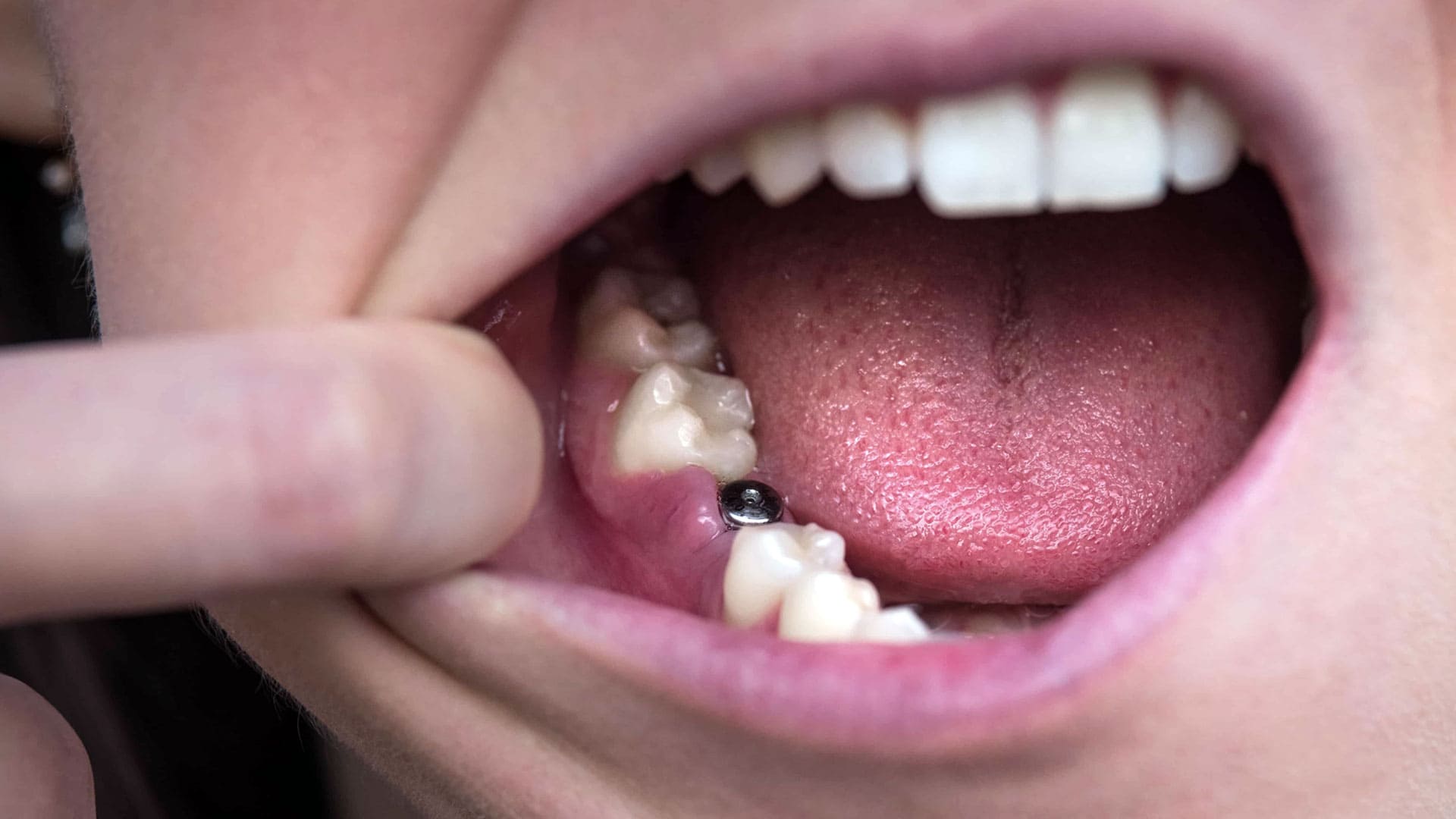
When all the teeth in one jaw are missing, or the remaining teeth cannot be saved, a fixed set of teeth on implants is one of the options. The two terms people hear most often are All-on-4 and All-on-6. At its core, the All-on-4 vs All-on-6 question is about how many implants support the fixed prosthesis, and how that number affects bone requirements, force distribution and planning. Both aim for the same result: a full-arch fixed prosthesis that you do not take out yourself. This article compares the two approaches, explains who each may suit and outlines what your dentist considers when deciding.
What are All-on-4 and All-on-6?
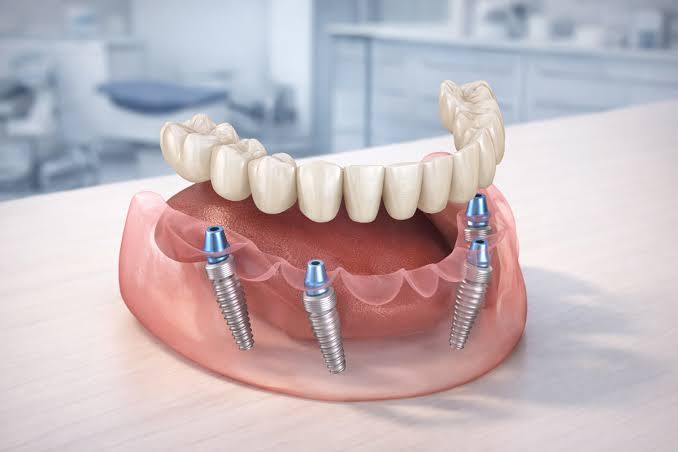
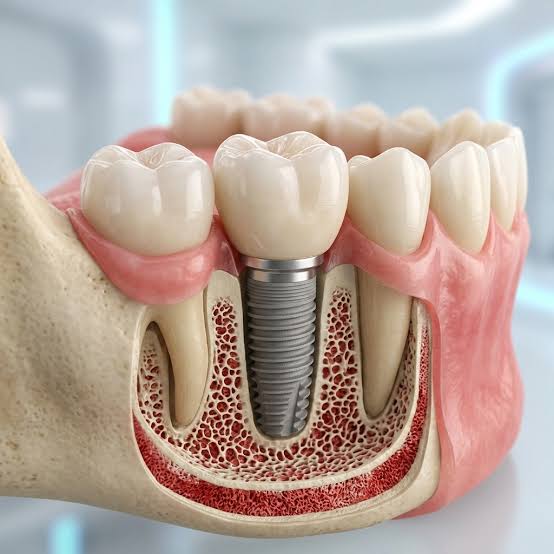
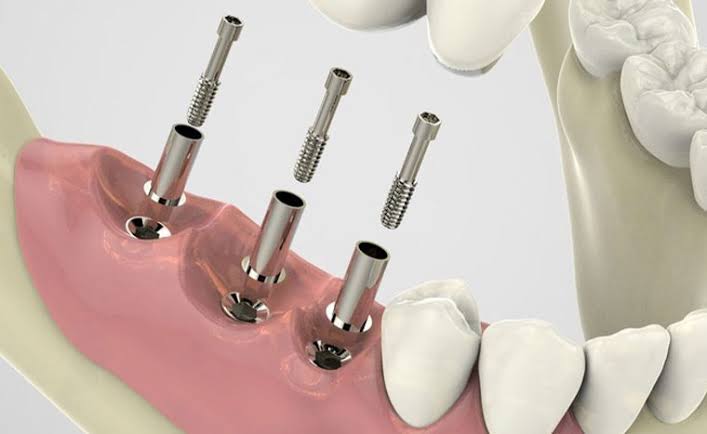
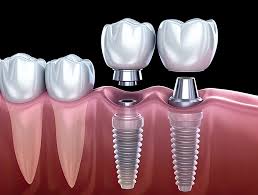
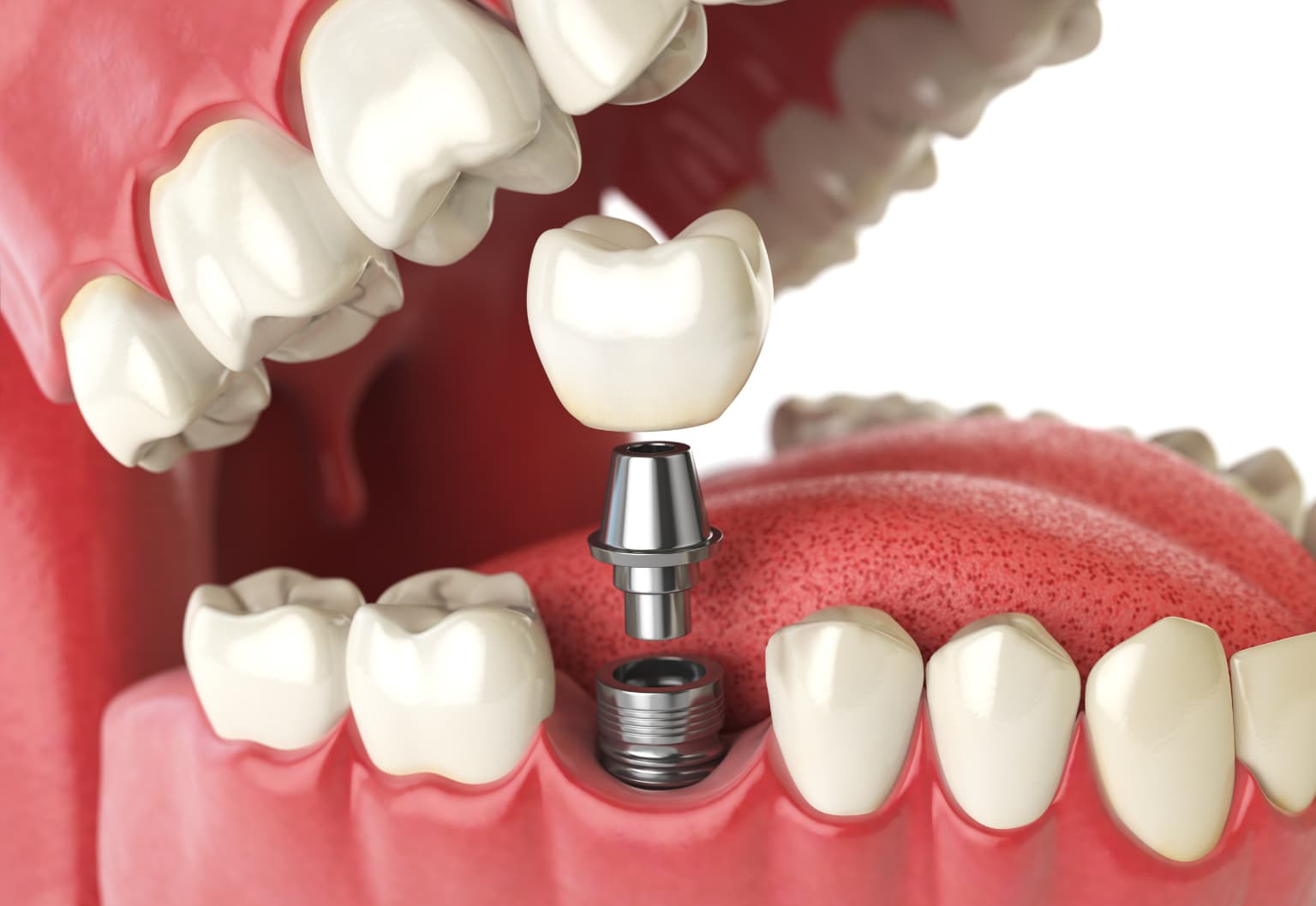
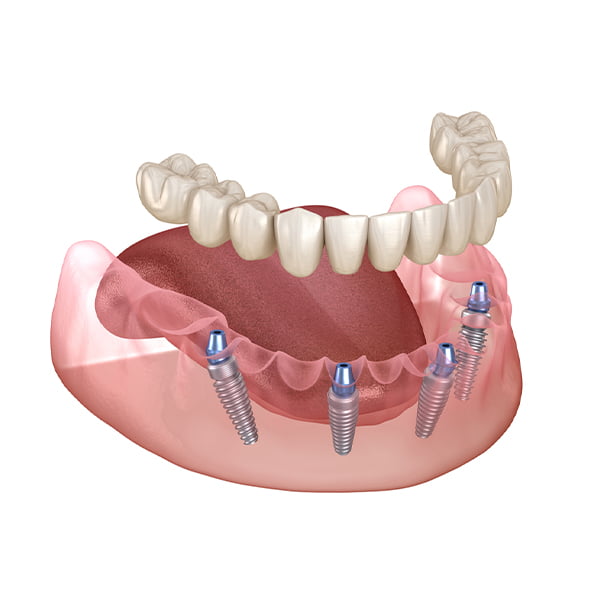
In both approaches, implants are placed in a jaw with no teeth and a one-piece prosthesis is screwed onto them. The prosthesis usually contains 10 to 12 teeth and may include a pink, gum-coloured section where bone and gum have been lost. You cannot remove it yourself, but your dentist can take it off when needed for check-ups and cleaning.
- All-on-4: usually four implants are placed in a jaw. The two front implants are upright and the two back implants are tilted. Tilting can make better use of the available bone and help avoid structures such as the sinus in the upper jaw or the nerve canal in the lower jaw.
- All-on-6: usually six implants are placed in a jaw. They are spread across a wider area and can often be placed more upright. This approach is planned when there is more bone volume.
For general information on each approach, see the pages on All-on-4 implant treatment and All-on-6 implant treatment.
All-on-4 vs All-on-6: the main differences
The differences usually come down to the following points:
- Number of implants: four implants with All-on-4, six with All-on-6. This can also affect the extent of surgery and the healing period.
- Bone requirements: thanks to tilted implants, All-on-4 can more often be planned where bone is limited and may sometimes reduce the need for grafting. All-on-6 needs enough bone along the jaw for six implants; if bone is lacking, a graft or sinus lift may be considered.
- Force distribution: six implants spread chewing forces over more points. With a strong bite, clenching or softer bone in the upper jaw, this may be seen as an advantage.
- Back-up: with fewer implants, a problem with one implant can affect the whole prosthesis. With six implants, there is a better chance the prosthesis can still be used if one implant is lost, although this varies from case to case.
- Prosthesis options: more implants can sometimes allow the prosthesis to be made in several sections (segmented bridges), so only the affected section needs attention later.
- Cleaning and care: more implants mean more area to clean under the prosthesis. Both systems need regular cleaning between and under the teeth.
Who might each option suit?
There is no fixed rule; the decision depends on your mouth. As a general guide:
- All-on-4 is more often considered for people with moderate bone loss who want to avoid extra bone surgery and whose anatomy suits tilted implants, particularly in the lower jaw.
- All-on-6 is more often considered for people with enough bone along the jaw, a strong bite or softer bone in the upper jaw.
Factors that can limit either option or call for extra precautions include uncontrolled diabetes, heavy smoking, a history of head and neck radiotherapy, certain medications that affect bone, severe clenching and difficulty cleaning under the prosthesis. You can also read about other full jaw implant procedures.
Treatment steps and timeline
Both approaches follow similar stages:
- Examination and planning: a clinical examination, a 3D scan and, where useful, an intraoral scan. The number and position of implants are decided with digital planning.
- Surgery: any necessary extractions are done and the implants are placed. This can be done under local anaesthetic, and sedation may be discussed for extensive cases.
- Temporary fixed teeth: if the implants are stable enough at placement, temporary fixed teeth can often be fitted the same day or within a few days. This is possible with either approach but depends on bone quality.
- Healing: implants usually take three to six months to fuse with the bone, longer if grafting was needed.
- Final prosthesis: after healing, impressions are taken and a final prosthesis is made from more durable materials.
Swelling, bruising and tenderness are common in the first days. Eating soft foods and not overloading the temporary teeth are important during this time.
Risks, limits and care
Whichever approach is chosen, there are risks such as an implant failing to fuse with the bone, infection, peri-implantitis, fracture of the prosthesis and loose screws. Getting used to speaking and chewing can take a few weeks. Over the long term the prosthetic teeth may wear, and repair or replacement may be needed after some years. If you notice movement, something catching, bleeding gums or a bad smell, contact your dentist rather than waiting for your next check-up; problems found early are usually easier to manage.
Habits that support long-term success include:
- Brushing twice a day and cleaning under the prosthesis with interdental brushes or a water flosser
- Check-ups usually every six months, with the prosthesis removed for professional cleaning when needed
- A night guard if you clench or grind
- Avoiding smoking
Frequently asked questions
Is All-on-6 stronger than All-on-4?
Six implants spread forces over more points, but this does not automatically mean a longer lifespan. Both systems, when well planned, can last many years with proper care. Bone quality, biting force and oral hygiene are the main factors that determine how long they last.
Can I have All-on-6 if I have little bone?
If bone is lacking, All-on-6 may require a bone graft or sinus lift. For people who prefer to avoid extra surgery, All-on-4 with tilted implants may be an option. Which one suits you is decided after a 3D scan.
Can temporary teeth be fitted on the same day with both?
If the implants are placed with enough initial stability, temporary fixed teeth can be fitted the same day or within a few days with either approach. This is not possible for everyone. The final prosthesis is made after healing.
How is the right option chosen for me?
The decision weighs bone quantity and quality, the opposing teeth, biting force, general health and your expectations. An examination and 3D imaging form the basis of this decision. Questions about cost are discussed according to the plan that comes out of this assessment.
Final thoughts
All-on-4 and All-on-6 reach the same goal with a different number of implants, and which suits you depends on your mouth. Whether you are in Kahramanmaraş or another city, a thorough examination with 3D imaging is a calm first step towards weighing the options with your dentist.
This article is for general information only; the right treatment for you is decided by your dentist after an examination and any necessary tests.