Many people with missing teeth wonder whether an implant could be an option for them. There is no single answer to the question of who makes a good dental implant candidate, because suitability depends less on age and more on the condition of the jawbone, general health, oral hygiene and certain habits. For some people an implant can go ahead straight away; others may need preparatory treatment first, and for some a different option is more appropriate. In this article we look at who is usually considered suitable, which conditions may delay treatment and how suitability is assessed.
What makes a good dental implant candidate?
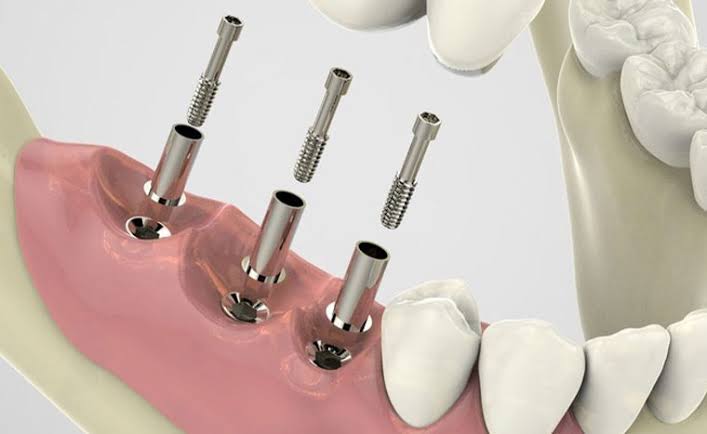
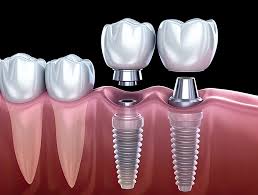
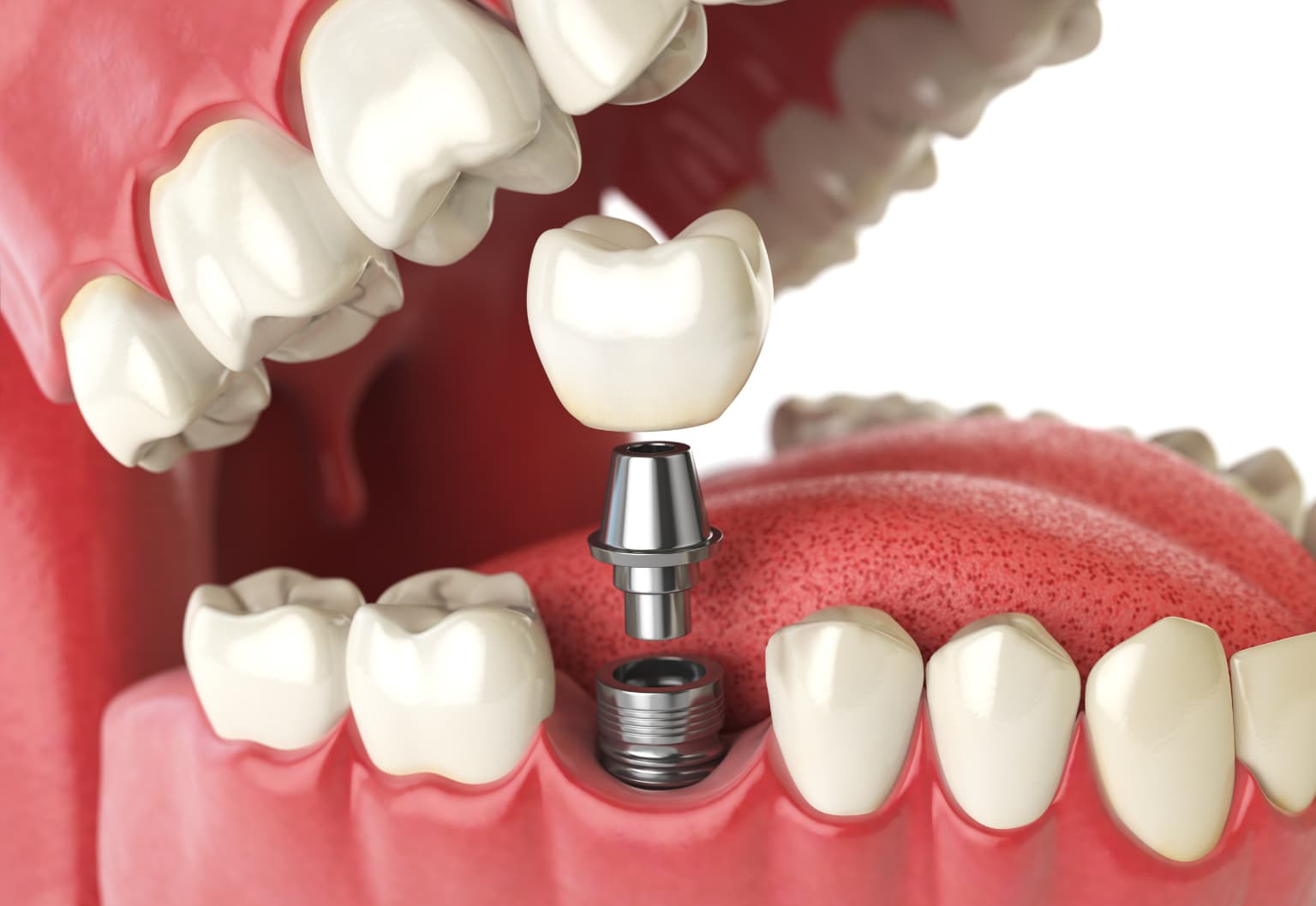
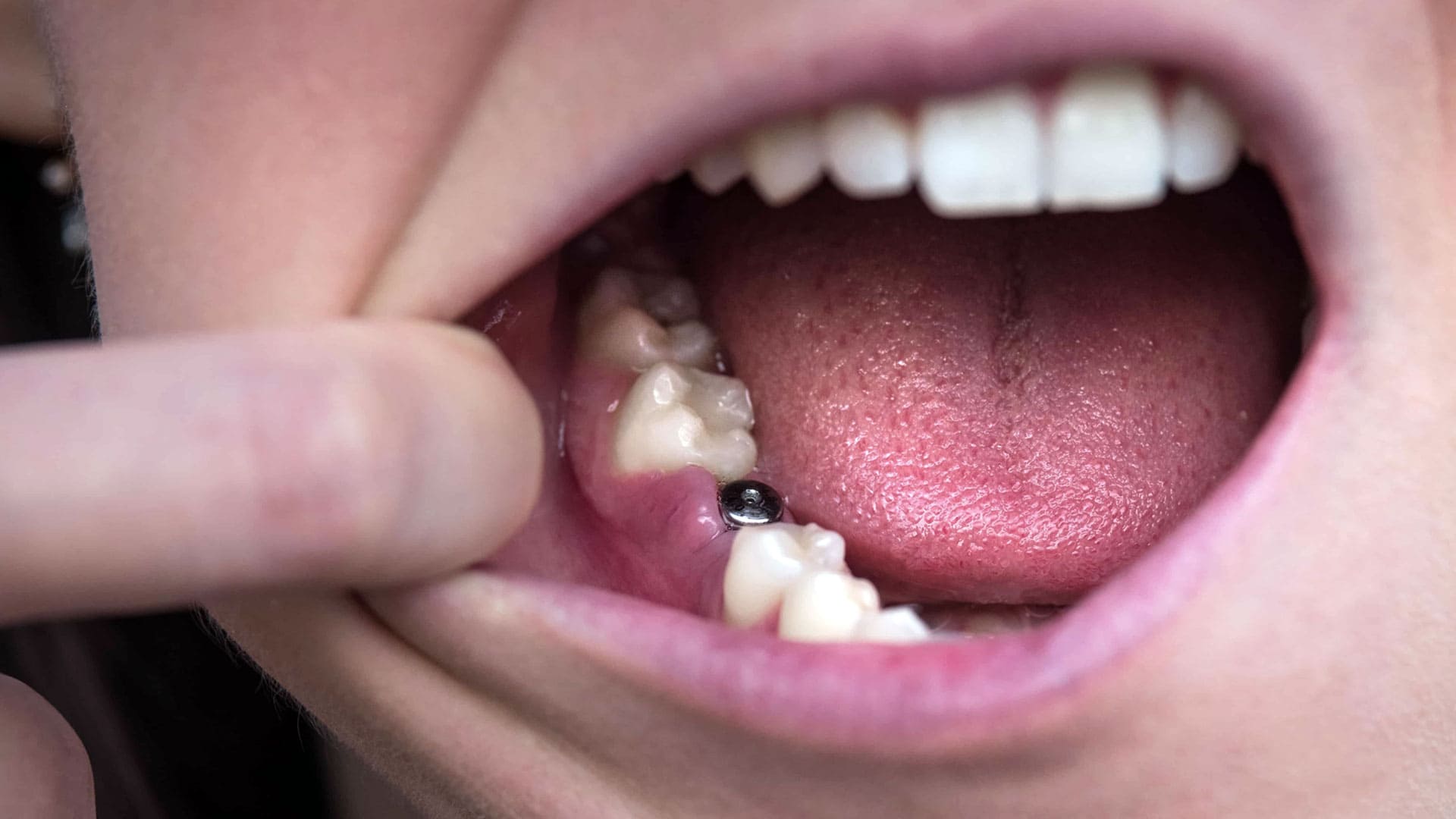
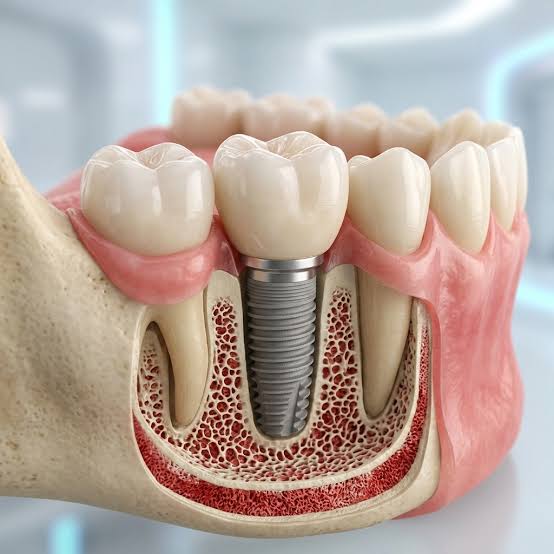
An implant is an artificial root placed in the jawbone to replace a lost tooth root. For it to fuse with the bone and function for many years, a few basic conditions need to be met. In general, people considered suitable for implants:
- Have one or more missing teeth, or teeth that need to be extracted
- Have a fully developed jaw, usually aged 18 or over
- Have enough bone to support an implant, or can have that support built up with a bone graft
- Have healthy gums, or have had gum disease treated
- Are in general health that allows a minor surgical procedure
- Can keep up daily oral care and attend regular check-ups
People who struggle with a loose removable denture, who would rather not have healthy neighbouring teeth filed down for a bridge, or who are missing a single tooth often consider implants. These points are only a starting place, though; the final decision depends on an examination and imaging.
Why does bone matter so much?
An implant needs bone of sufficient height and width to hold it securely. After a tooth is extracted, the bone in that area gradually shrinks, which is why the jawbone is so important in implant procedures. Where teeth have been missing for a long time, especially at the back of the upper jaw, there may not be enough bone for an implant.
That does not always rule implants out. When bone is lacking, these approaches may be considered:
- Bone grafting: building up the missing bone with natural or synthetic graft material
- Sinus lift: raising the floor of the sinus in the upper jaw to make room for an implant
- A different implant size or angle: choosing an implant that fits the existing bone
Extra procedures such as bone grafting and a sinus lift can lengthen treatment and are not suitable in every case. The bone is usually assessed in detail with a 3D CBCT scan.
When might implants be delayed or unsuitable?
Some health conditions and habits can interfere with healing and with the implant fusing to the bone. In these situations treatment may be postponed, extra precautions taken or another option suggested:
- Poorly controlled diabetes: high blood sugar slows wound healing and raises the risk of infection. People whose diabetes is well controlled can often still be considered.
- Heavy smoking: smoking reduces blood flow, makes integration harder and increases the risk of implant failure. Your dentist may ask you to stop for a period around the procedure.
- Radiotherapy to the head and neck: previous radiation to this area can reduce the bone’s ability to heal and needs special assessment.
- Certain bone medications: some drugs used for osteoporosis or cancer, such as bisphosphonates, can affect the jawbone. Always tell your dentist about the medicines you take.
- Bleeding disorders and blood thinners: the plan can be adjusted after consulting your doctor.
- Untreated gum disease: active inflammation can spread to the implant, so it needs to be treated first.
- Pregnancy: elective surgery is usually postponed until after the birth.
- Teenagers whose jaws are still growing: implants are usually delayed until growth is complete.
Many of these are not absolute barriers. What matters is whether a condition is under control and how carefully the risk is weighed.
How is suitability assessed?
Suitability for implants is not decided at a glance; it comes from putting several pieces of information together. The assessment usually includes:
- Medical history: chronic conditions, medications, past surgery and habits are reviewed.
- Oral examination: the teeth, gums and bite are checked.
- Imaging: a panoramic X-ray and, if needed, a 3D CBCT scan show the amount of bone and the position of key structures.
- Tests if needed: blood sugar results may be requested for people with diabetes, and in some cases your doctor’s opinion is sought.
- Discussing options: if implants are suitable the process is planned; if not, alternatives such as a bridge or a removable denture are considered.
What are the alternatives if implants are not suitable?
If implants are not suitable, or you would prefer not to have them, there are still ways to replace missing teeth. A fixed bridge fills the gap using the neighbouring teeth for support. Removable partial or full dentures can be considered, particularly when many teeth are missing. In some cases, implants can be reconsidered once a health condition is under control, smoking has stopped or gum treatment is complete.
Frequently asked questions
Can someone with diabetes get dental implants?
In most cases, people whose diabetes is well controlled can be considered for implants. If blood sugar is not stable, healing may be slower and the risk of infection higher, so your dentist may ask for recent test results.
Can smokers have dental implants?
Smoking does not automatically rule out implants, but it increases the risk of failed integration and inflammation around the implant. Your dentist will usually recommend stopping before the procedure and during healing.
Is there an age limit for implants?
The lower limit is when the jaw has finished growing, usually around 18. There is no fixed upper age limit; in older adults, general health and bone condition are what count.
If I don’t have enough bone, can I still get an implant?
Not having enough bone is not always a barrier. Bone grafting or a sinus lift may create a suitable foundation, but whether these are appropriate is decided after a CBCT scan and examination.
The most reliable way to find out whether you are a suitable candidate is a dental examination in which your medical history, bone and oral health are assessed together. Whether you live in Kahramanmaraş or elsewhere, this conversation with your dentist can help clarify whether an implant or another option is right for you.
This article is for general information only; the right treatment for you is decided by your dentist after an examination and any necessary tests.