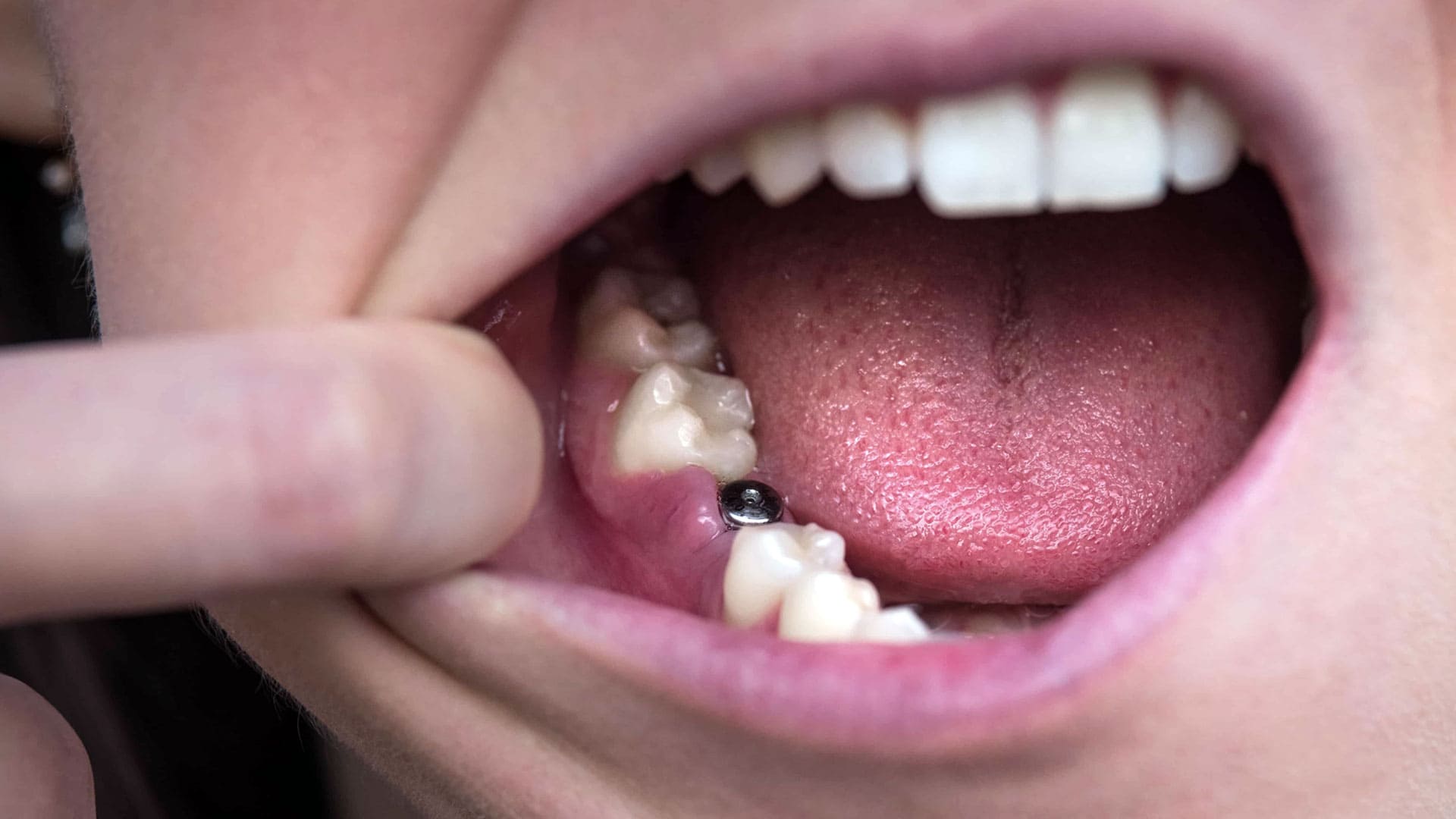
Once implant treatment is finished, whether the implant serves you well for many years depends largely on daily care. Dental implant care is similar to caring for natural teeth, but it calls for extra attention in some areas. The implant itself cannot decay, yet the gum and bone around it can become inflamed when bacterial plaque builds up. If that inflammation progresses, it can lead to loss of the bone that holds the implant. That is why regular brushing, cleaning between the teeth and dental check-ups play a central role in protecting implant-supported teeth. In this guide we explain, step by step, how to keep your mouth clean around implants.
Why does dental implant care matter so much?
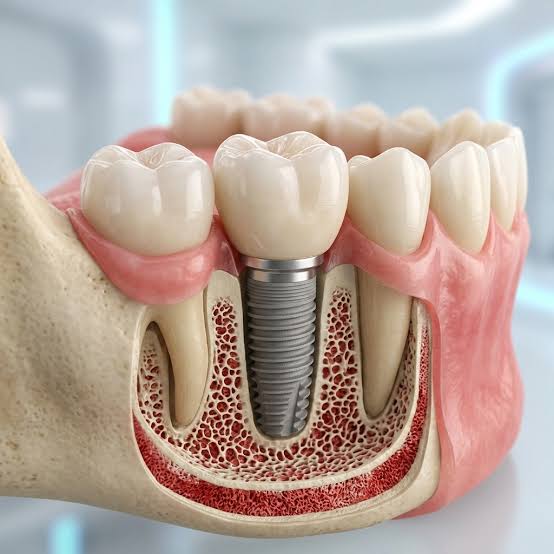
Natural teeth have a layer of connective tissue around the root that gives them some defence against bacteria. Around an implant this structure is different, and the seal between gum and implant can be more vulnerable to bacteria. Plaque build-up can first cause inflammation of the gum, known as peri-implant mucositis, which shows up as redness, swelling and bleeding. At this stage it is usually reversible. If the inflammation reaches the bone, however, a condition called peri-implantitis can develop, which may eventually lead to losing the implant.
Smoking, poorly controlled diabetes, a history of gum disease and irregular check-ups are the main factors that increase this risk. Good daily care is one of the most effective ways to reduce it. When the condition advances, the implant sometimes has to be removed, and whether a new implant can replace a failed one depends on the state of the bone. Preventing problems is therefore much easier than treating them later.
Care in the first weeks after implant surgery
Care is different while an implant is newly placed. In the first days the surgical site is not brushed, or is cleaned very gently as your dentist advises, while the rest of your teeth are brushed as usual. Until the stitches are removed, you may be asked not to use interdental brushes or a water flosser on the area and to use a prescribed mouth rinse. As healing progresses, you gradually return to brushing the area with a soft brush. These steps are part of the wider precautions to take after implant surgery, and it is wise to agree the timing with your dentist at your follow-up visits.
Daily dental implant care, step by step
For implant-supported teeth, the following routine is usually recommended:
- Brush at least twice a day: use a soft-bristled toothbrush morning and evening for about two minutes. Angle the brush slightly towards the gum line and clean with small circular movements.
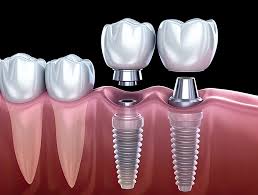
- Clean between the teeth: every day, clean the spaces between the implant and neighbouring teeth that a brush cannot reach. Floss, spongy implant floss or interdental brushes can be used.
- Pay attention to the gum line: the area where the implant emerges from the gum is the most prone to plaque. Clean along this line gently but carefully.
- Use a water flosser if needed: this can be a helpful extra, especially when it is hard to clean under a bridge or fixed prosthesis. It does not replace brushing and interdental cleaning.
- Mouth rinse: your dentist may recommend an antibacterial rinse for a set period. Ask your dentist before using one long term.
The evening brush is especially important, because saliva flow drops overnight and bacteria can multiply more easily.
Which cleaning tools are suitable?
The right tools make implant care easier. General recommendations include:
- Toothbrush: a soft or extra-soft manual brush or an electric brush. Hard bristles can irritate the gum.
- Toothpaste: a low-abrasive fluoride toothpaste is usually enough. Highly abrasive whitening pastes can scratch the surface of the crown or prosthesis on the implant.
- Interdental brushes: choose a size that fits the space between the teeth. Models with a plastic-coated wire can help avoid scratching the implant surface.
- Floss: useful at tight contact points. Floss with a stiffened end works well under bridges.
- Water flosser: usually recommended on low to medium pressure settings.
Whether the crown on your implant is made of zirconia or porcelain, keeping its surface smooth helps reduce how much plaque sticks to it. Your dentist or a trained dental hygiene team can show you in your own mouth which interdental brush size and tools suit you.
Care for full-arch implants and fixed prostheses
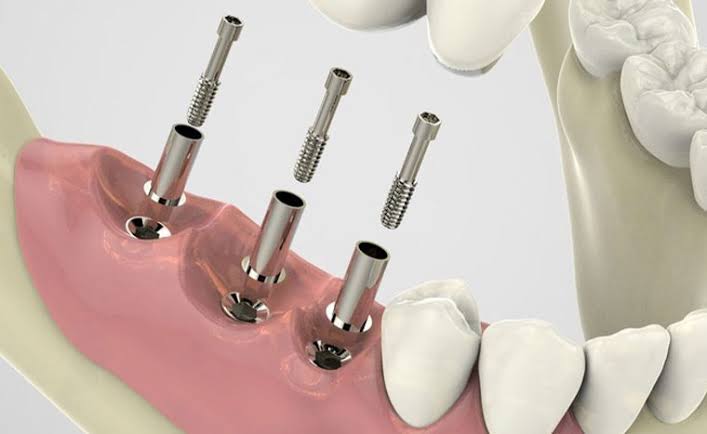
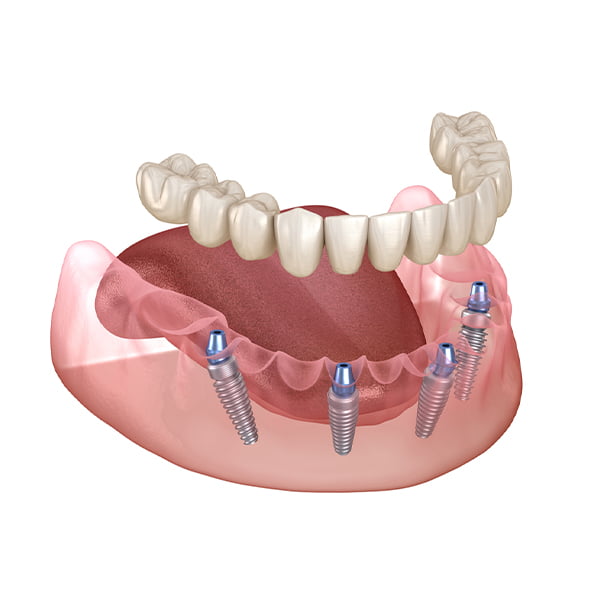
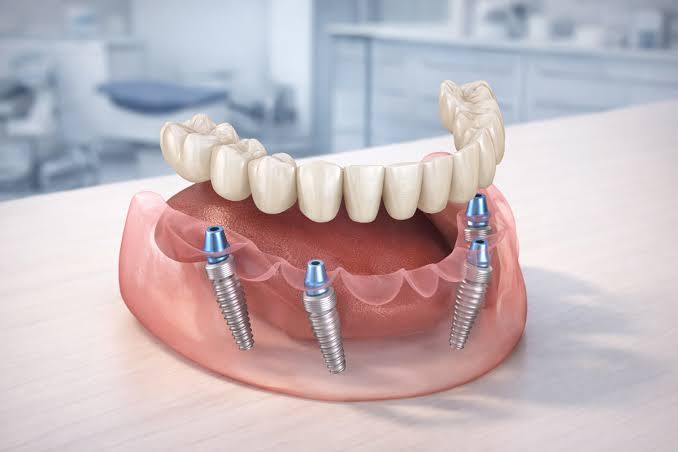
When all the teeth have been replaced with an implant-supported fixed prosthesis, care needs a little more attention. Food debris can collect under the prosthesis and where it meets the gum. Interdental brushes, special bridge floss and a water flosser can be used together for these areas. Some fixed prostheses are designed so that the dentist can remove them at check-ups for professional cleaning.
People with an implant-retained removable denture may need to take it out and clean it every day, brush the implant attachments in the mouth separately and remove the denture at night if their dentist advises.
Regular check-ups and warning signs
However good your home care is, regular dental check-ups are still needed. At these visits the gum around the implant is examined, measurements are taken when needed and the bone level is checked with X-rays at set intervals. Professional cleaning uses special instruments that do not damage the implant surface. Check-ups are most often every six months, but every 3-4 months may be advised depending on your risk.
Clenching or grinding can put extra load on the implant and the prosthesis. If this is a habit of yours, your dentist may recommend a night guard.
See your dentist without waiting for your next check-up if you notice any of the following:
- Bleeding, redness or swelling of the gum around the implant
- A bad taste or smell, or pus
- Gum recession or the metal part of the implant becoming visible
- A loose implant tooth, pain when chewing or a change in your bite
Frequently asked questions
Can dental implants get cavities?
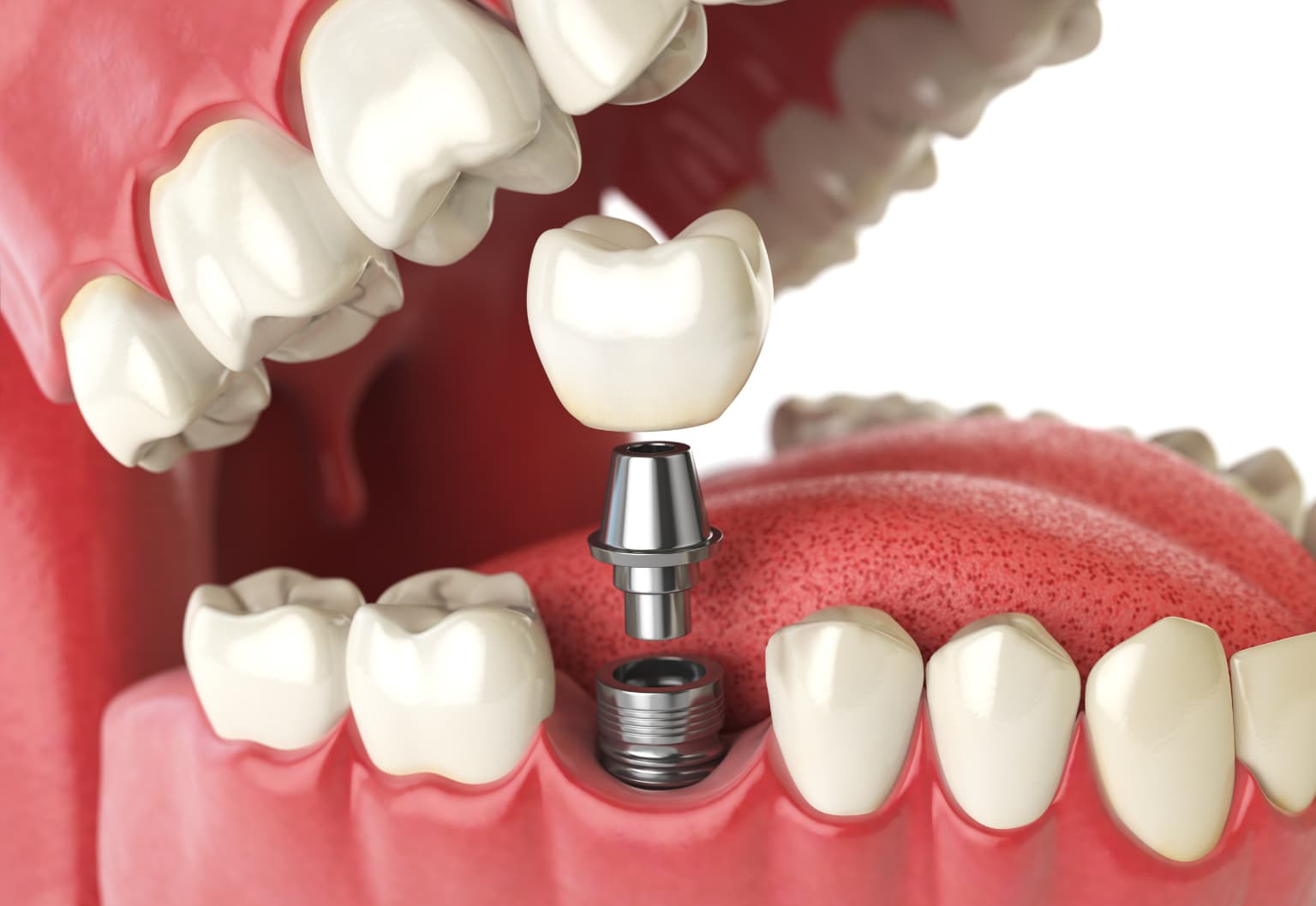
The implant and its crown are made of artificial materials, so they cannot decay. The surrounding gum and bone can become inflamed, though, so they need as much care as natural teeth, if not more.
Do I need a special toothpaste for implants?
In most cases a standard low-abrasive fluoride toothpaste is enough. Highly abrasive pastes are not recommended because they can scratch the crown surface.
Can an electric toothbrush damage an implant?
Used correctly, an electric toothbrush is suitable for implant-supported teeth. Choose a soft brush head and guide it over the teeth without pressing hard.
How often should I have my implants checked?
A check-up every six months is usually recommended. If you have risk factors such as a history of gum disease, smoking or diabetes, your dentist may plan more frequent visits.
For care advice tailored to your implants, it helps to have a dental examination. At the examination your dentist can show you cleaning tools that suit your mouth and type of prosthesis and agree on a check-up schedule with you.
This article is for general information only; the right treatment for you is decided by your dentist after an examination and any necessary tests.