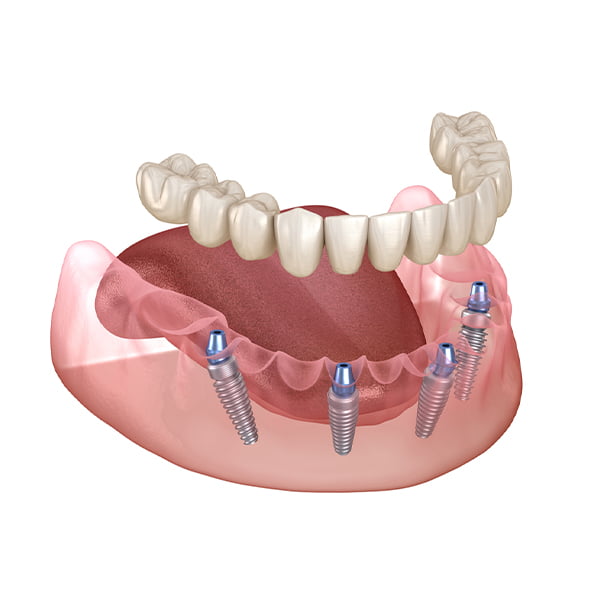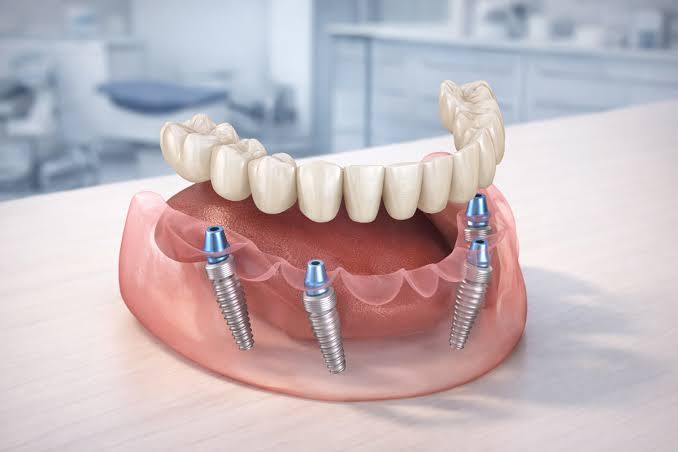
One of the questions people ask most often when considering an implant is: how long do dental implants take? It is hard to give a single number, because an implant is not a one-visit procedure but a staged process that gives the bone time to heal. A straightforward single-tooth implant is often completed within 2-6 months, while cases that need bone grafting, a sinus lift or an extraction first can extend to 6-12 months, and sometimes longer. In this article we explain the stages of treatment, how long each one typically takes and what affects the overall timeline.
How long do dental implants take? The short answer
As a general guide:
- Straightforward cases with no extra procedures: usually 2-6 months from placing the implant to fitting the final tooth
- Cases that need healing after an extraction: often 4-9 months once socket healing is added
- Cases that need a bone graft or sinus lift: 6-12 months or more, including the time for the new bone to mature
- Suitable cases with immediate loading: a temporary tooth can be fitted on the same day, but a few months of healing are still needed before the final tooth
These are typical ranges. Your bone, general health, the location of the implant and how you heal can all change the timeline noticeably.
A stage-by-stage timeline
The outline below shows the usual order of a typical implant treatment. Not every patient goes through every stage; for more detail on the procedures themselves, see our article on the stages of implant treatment.
1. Examination, imaging and planning (1-2 weeks)
At the first visit your mouth is examined, your medical history is taken and a panoramic X-ray and 3D CBCT scan are usually requested. The images are reviewed and a treatment plan is drawn up. Blood tests or another doctor’s opinion may sometimes be needed, which can lengthen planning slightly.
2. Preparation and extraction (a few days to 3 months)
Any decay or gum disease is treated first. If a tooth needs to come out, in some suitable cases the implant can be placed at the same visit as the extraction. Otherwise the socket is usually left to heal for 6-12 weeks, sometimes longer.
3. Bone graft or sinus lift (if needed, 3-6 extra months)
If there is not enough bone, bone support can be added before or at the same time as the implant. It usually takes 3-6 months for graft material to turn into mature bone. Whether this is needed is determined from the CBCT scan.
4. Implant placement (one visit)
The implant is usually placed under local anaesthetic. A single implant is generally a short procedure; the appointment is longer with several implants or additional procedures. Mild pain and swelling are common for a few days, and stitches are usually removed within 7-14 days.
5. Integration (osseointegration) period (2-6 months)
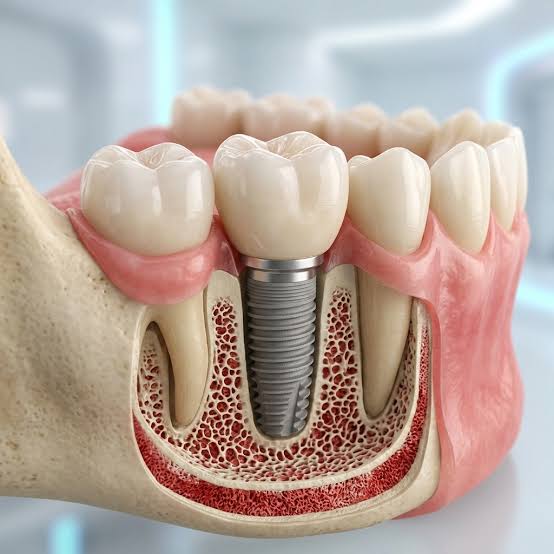
This is the longest and most important stage. The implant generally needs 2-3 months to fuse with the bone in the lower jaw and often 3-6 months in the upper jaw, where the bone is softer. The difference in implant healing time between the upper and lower jaws comes largely from bone density. A temporary tooth or denture may be worn during this time, especially in visible areas.
6. Impressions and the final tooth (2-4 weeks)
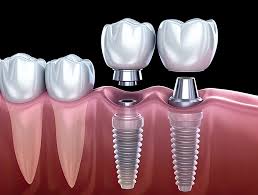
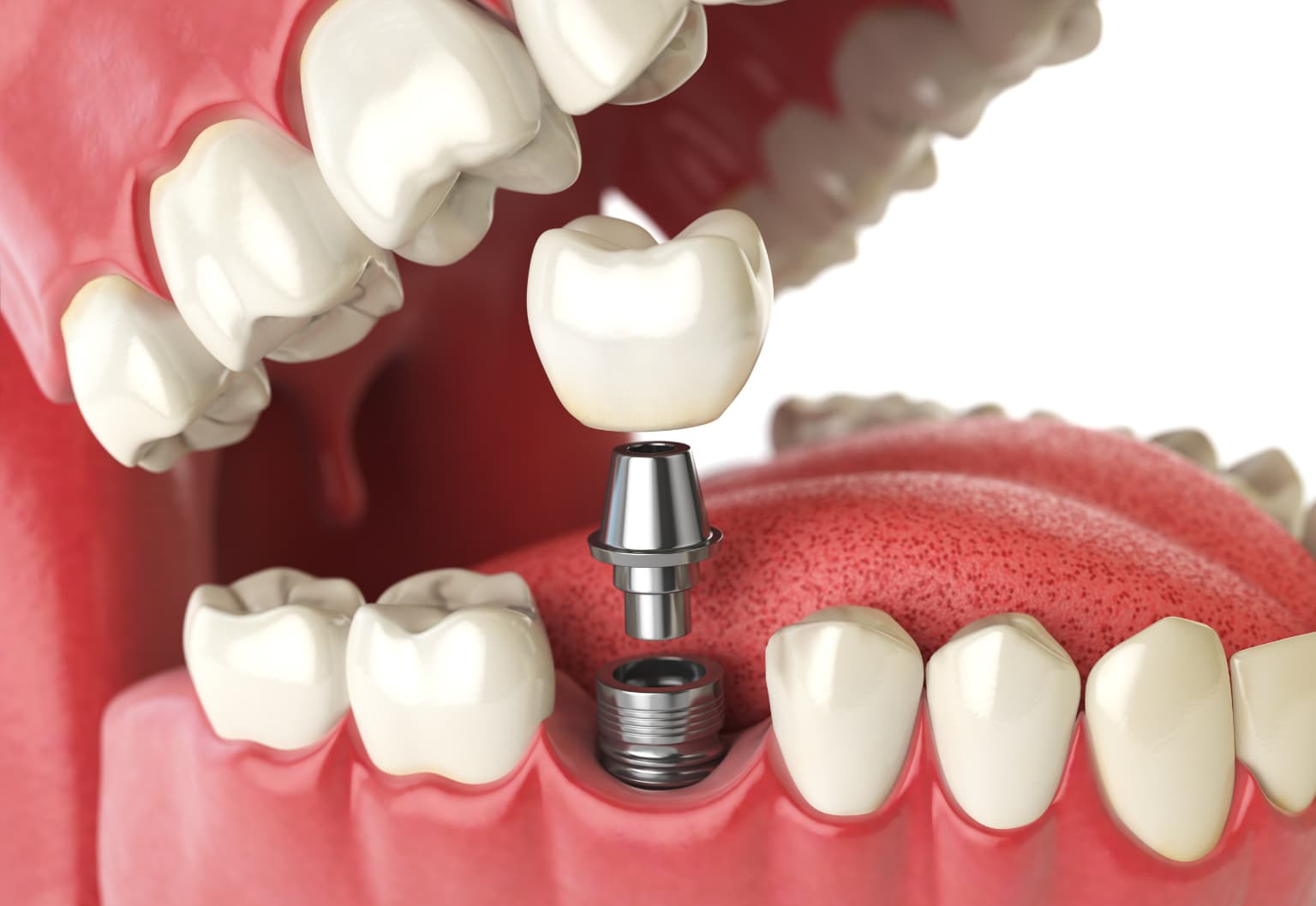
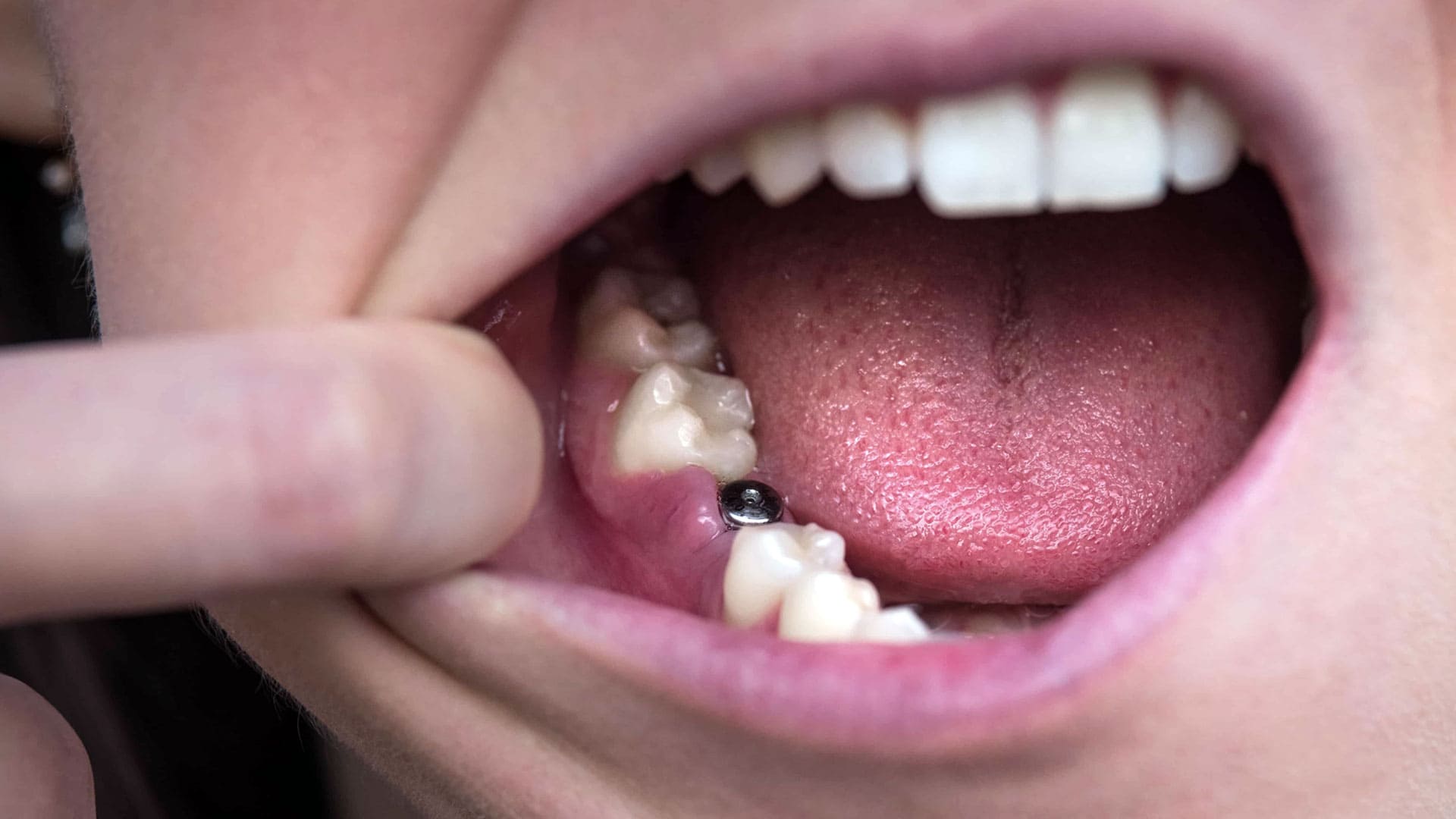
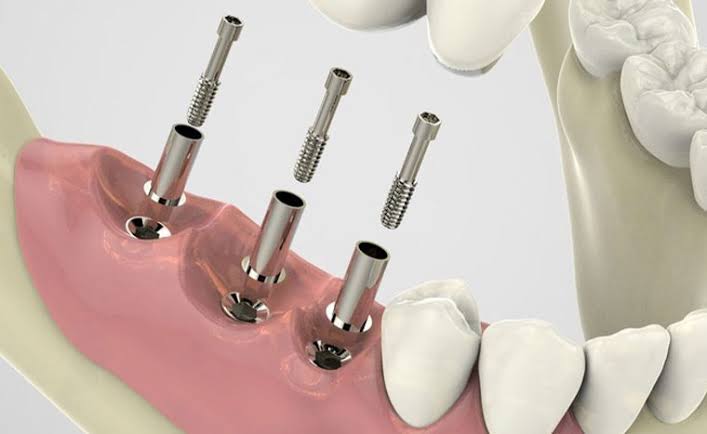
Once integration is complete, a healing cap or abutment is attached and an impression or digital scan is taken. Making and trying in the crown, bridge or denture usually takes a few weeks.
7. Follow-up (ongoing)
After the final tooth is fitted, the first check-up is usually within a few weeks, then at intervals your dentist recommends, most often every six months.
Factors that lengthen or shorten treatment
The main factors that shape the length of implant treatment are:
- Bone quantity and quality: enough dense bone makes integration more predictable.
- Implant location: bone in the upper jaw is usually softer, so healing time is longer.
- Extra surgical procedures: grafting, a sinus lift or an extraction can add several months.
- General health: poorly controlled diabetes or conditions affecting immunity can slow healing.
- Smoking: reduced blood flow can delay integration and increase the risk of complications.
- Scope of treatment: a single tooth and a full-arch treatment differ greatly in planning and treatment time.
Rushing the healing stages to shorten the timeline is not advisable. Putting too much load on an implant before it has fused can affect how well it anchors to the bone.
Does immediate loading shorten the process?
Immediate loading means fitting a temporary tooth on the day the implant is placed, or within a few days. It can spare you a long period without a tooth and is closely linked to the common question of whether same-day implant treatment is possible. However, it requires good bone quality, sufficient stability when the implant is placed and a suitable bite.
Even with immediate loading, the biological time the bone needs to integrate does not change. The temporary tooth is usually used with soft foods only, and the final tooth is fitted once integration is complete. So immediate loading shortens the time without a tooth rather than the overall treatment time.
How many appointments will I need?
A straightforward single implant often needs around 4-6 appointments: examination and planning, implant placement, stitch removal or a check, impressions, a try-in and fitting the final tooth. Treatments with extra procedures or several implants need more visits. The length of each appointment also depends on what is being done.
Because the gaps between visits are mostly set by healing time, the number of days you actually spend in the dental chair can stay fairly limited even though the whole process spans several months. Sharing your calendar priorities, such as work, travel or a special occasion, with your dentist during planning can help fit the stages around them. Biological healing time, however, cannot be shortened to fit a calendar.
Frequently asked questions
Can an implant be completed in one day?
In suitable cases the implant and a temporary tooth can be placed on the same day. The implant still needs a few months to fuse with the bone, and the final tooth is fitted at the end of that period.
Will I be without a tooth while the implant heals?
In most cases, particularly at the front of the mouth, a temporary tooth or removable denture can be worn during healing. Your dentist will decide which temporary option fits the implant’s position.
Why do upper jaw implants take longer?
The upper jawbone is usually more porous and softer than the lower jaw. More healing time is therefore allowed, and a sinus lift may be needed in the back of the upper jaw.
What can I do to help healing go well?
The biological timeline cannot be shortened, but avoiding smoking, keeping your mouth clean, following your dentist’s instructions and attending check-ups all help healing progress without problems.
The most accurate way to find out how long your implant treatment will take is an examination that assesses your bone and oral health. After imaging, your dentist can plan the stages that apply to you and an estimated timeline together with you.
This article is for general information only; the right treatment for you is decided by your dentist after an examination and any necessary tests.