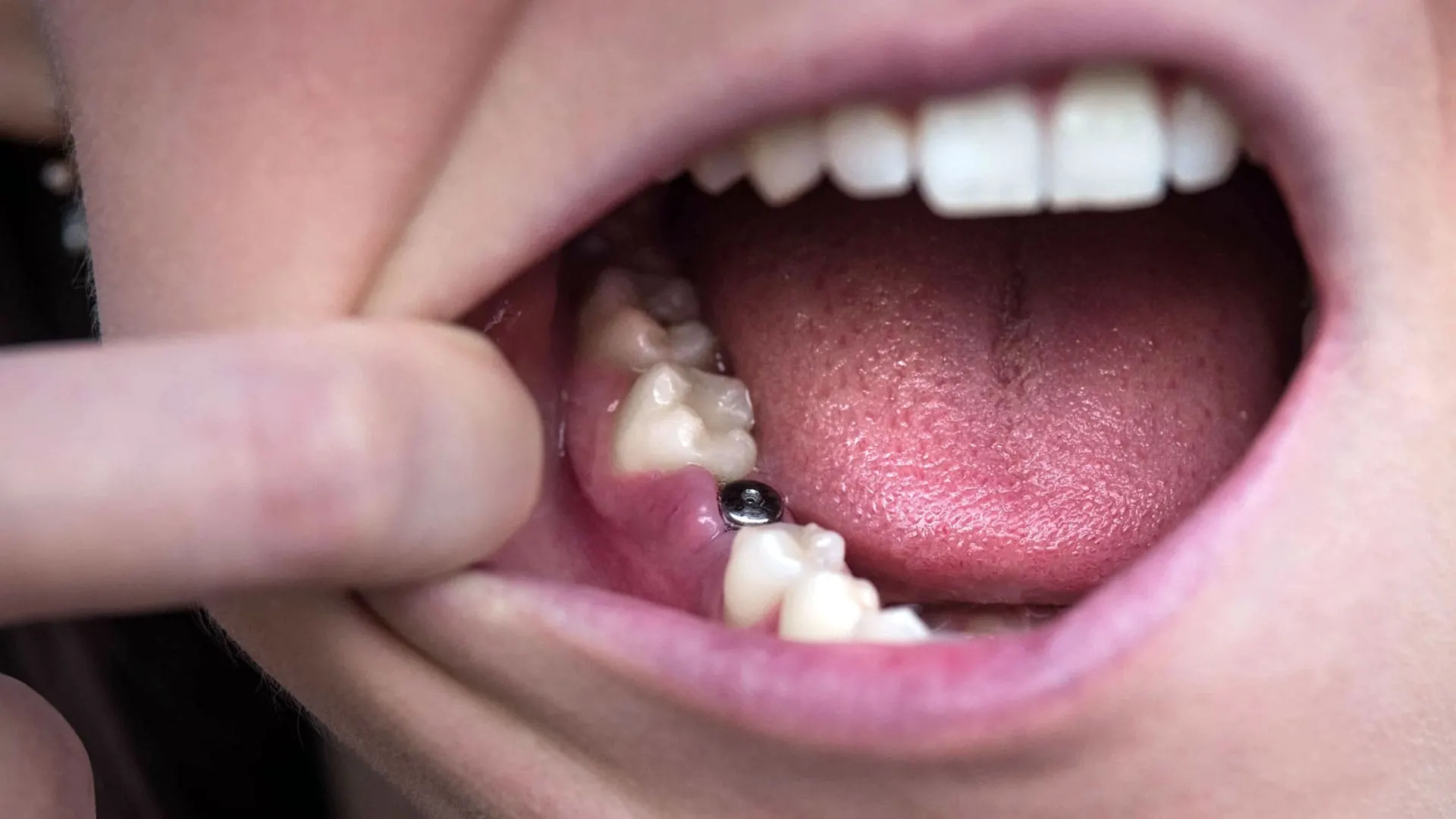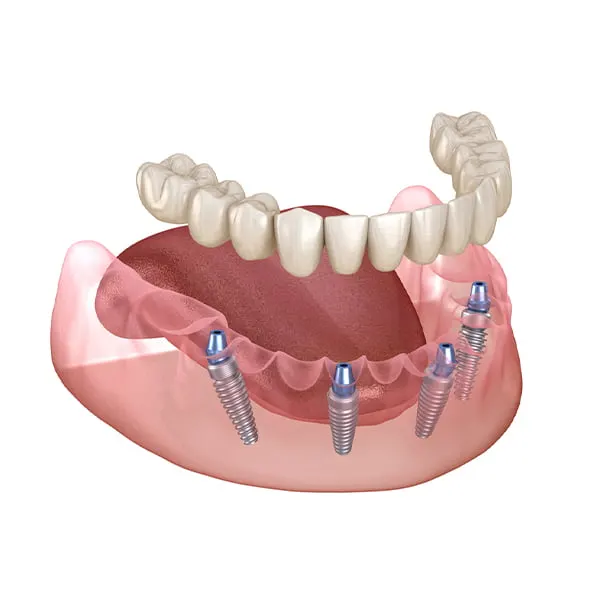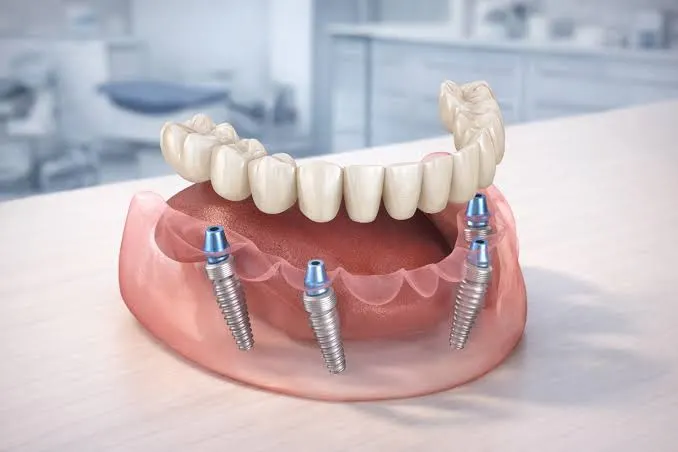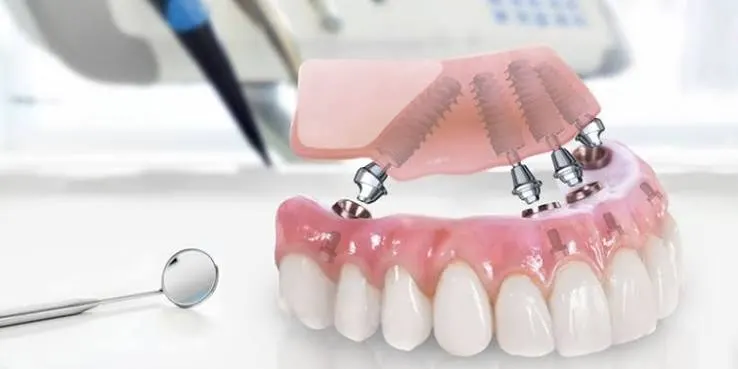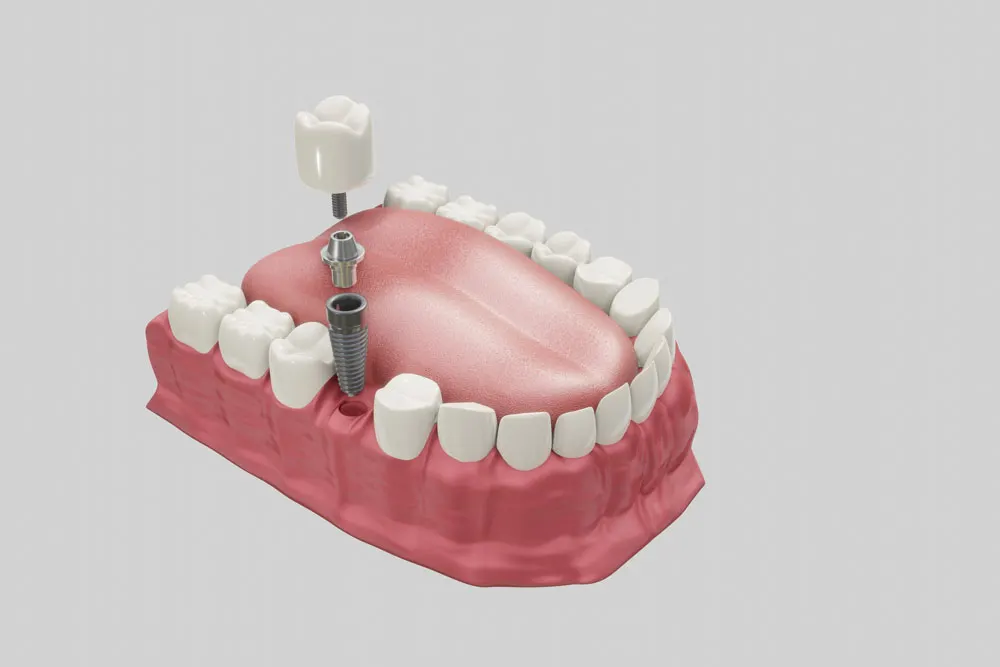
Seeing your face or gums swell after implant surgery can be unsettling. In most cases, though, swelling after dental implant placement, sometimes with some bruising, is simply the body’s natural healing response to a surgical procedure. How noticeable it is and how many days it lasts varies from person to person and depends on the extent of the procedure and how quickly you heal. What matters is knowing the usual pattern and being able to spot signs that fall outside it. This article explains why swelling and bruising occur, the typical timeline, what helps reduce them and when you should contact your dentist without waiting.
What causes swelling after dental implant surgery?
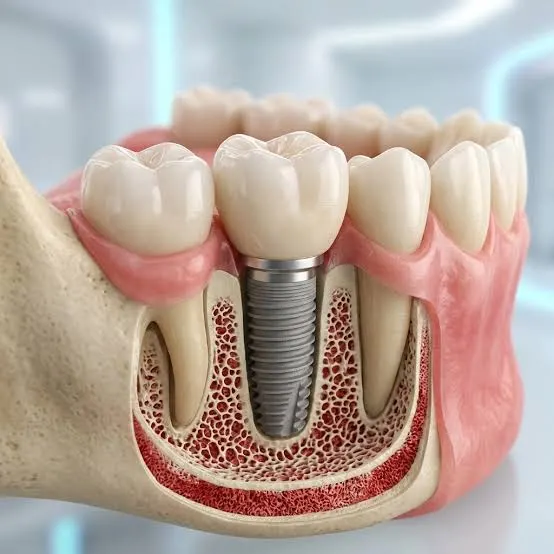
To place an implant, the gum is opened and a site is prepared in the jawbone. The body responds to this tissue injury with inflammation: blood flow increases, fluid collects in the tissues and repair begins. Swelling is the visible side of that repair process.
The main factors that influence how much swelling you have are:
- Extent of the procedure: A single implant usually causes less swelling, while several implants or full-arch treatment can lead to more.
- Additional procedures: Bone grafting or a sinus lift involve more handling of the soft tissues and make swelling and bruising more likely.
- Location: The tissues of the upper and lower jaw differ, so swelling can look different depending on the area.
- Personal factors: Age, general health, medication and individual tissue response all play a part.
How long do swelling and bruising last?
For most people, swelling after an implant follows a similar course. The timeline below gives a general idea; your own recovery may differ:
- Day one: Swelling builds gradually once the anaesthetic wears off. Light bleeding or blood-tinged saliva may occur.
- Days two and three: Swelling usually peaks around this time. This does not mean healing is going badly.
- Days four to seven: Swelling steadily goes down and your face starts to return to normal.
- After about a week: Noticeable swelling has largely settled for most people; after more extensive procedures a slight fullness may last a little longer.
Bruising does not happen to everyone. It is more common in the lower jaw, after extensive procedures and in people taking blood thinners. Bruises usually become visible a day or two after surgery, change from purple to yellow-green and in most cases fade within one to two weeks. Bruising can also track down from the jaw towards the neck because of gravity.
These early symptoms relate to soft tissue healing. Bonding of the implant with the bone continues in the background over several months. Our article on how recovery progresses after implant treatment covers the longer healing period in more detail.
How to reduce swelling
Following your dentist’s aftercare instructions helps keep swelling milder. General advice includes:
- Cold packs: During the first 24 to 48 hours, apply cold to the outside of your face over the treatment area at intervals. Wrap ice in a cloth rather than placing it directly on the skin, and use it for 15 to 20 minutes at a time with breaks in between.
- Keep your head raised: Sleeping with your head propped up on an extra pillow for the first few nights can limit fluid build-up.
- Medication: Take the pain relief and anti-inflammatory medication your dentist recommends at the stated dose and intervals. If antibiotics are prescribed, you may be asked to finish the course.
- Rest: Avoid strenuous exercise and bending over for the first few days, as increased blood flow to the area can make swelling worse.
- Diet: Choose lukewarm, soft foods for the first few days and avoid very hot drinks.
- Smoking and alcohol: Both can delay healing, so it is advisable to avoid them during this period.
- Warm compresses: Some dentists suggest gentle warmth after the first two days for lingering swelling or bruising. It is wise to check with your dentist before doing this.
You can find more general advice in our guide to precautions after implant surgery.
When should you contact your dentist?
Swelling and bruising in the first few days are expected. However, the following signs may fall outside normal healing and mean you should contact your dentist without waiting:
- Swelling that increases rather than settles after the third day
- Swelling that becomes hard, warm and increasingly red
- Fever, chills or feeling generally unwell
- Pus, a bad smell or an unpleasant taste from the area
- Difficulty swallowing or breathing
- Bleeding that does not stop with gentle pressure
- Numbness of the lip, chin or tongue that lasts well beyond a few hours
These signs can point to infection or another healing problem. Most issues can be treated when they are picked up early. Serious symptoms such as difficulty swallowing or breathing need urgent medical attention.
Can swelling be reduced through planning?
Planning before surgery also shapes the recovery period. At your consultation, it is important to tell your dentist about any medication, particularly blood thinners, and any long-term health conditions. Bone volume and the extent of treatment are assessed beforehand with X-rays and, where needed, a 3D scan. This gives a more realistic picture of whether extra procedures will be needed and how recovery may go. For example, if a bone graft is planned, knowing in advance that swelling may be a little more noticeable can ease anxiety.
Frequently asked questions
How many days does swelling last after a dental implant?
Swelling usually peaks on the second or third day and largely settles within a week. After extensive procedures a slight fullness may last a little longer. Swelling that lasts more than a week or gets worse should be checked by your dentist.
Is bruising normal after implant surgery?
Bruising does not happen to everyone, but it can appear, particularly in the lower jaw or after extensive procedures, and is generally considered normal. It changes to yellow-green over time and usually fades within one to two weeks. If bruising comes with fever or increasing pain, contact your dentist.
When should I use ice after an implant?
Cold packs are usually recommended at intervals during the first 24 to 48 hours. Wrap the ice in a cloth and apply it to the outside of the face, never directly on the skin. Your dentist will tell you what to do in the following days.
Does swelling mean the implant has failed?
Swelling in the first few days says nothing about whether the implant will integrate; it relates to soft tissue healing. However, swelling that increases later on, fever or pus can be signs of infection and should be assessed.
Knowing what to expect during recovery before implant treatment can help you go through the process more calmly. At a dental examination in Kahramanmaraş or wherever you live, your oral and general health can be assessed and a treatment and recovery plan that suits you can be discussed together.
This article is for general information only; the right treatment for you is decided by your dentist after an examination and any necessary tests.