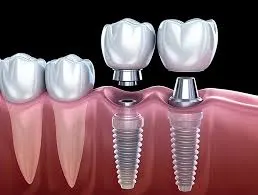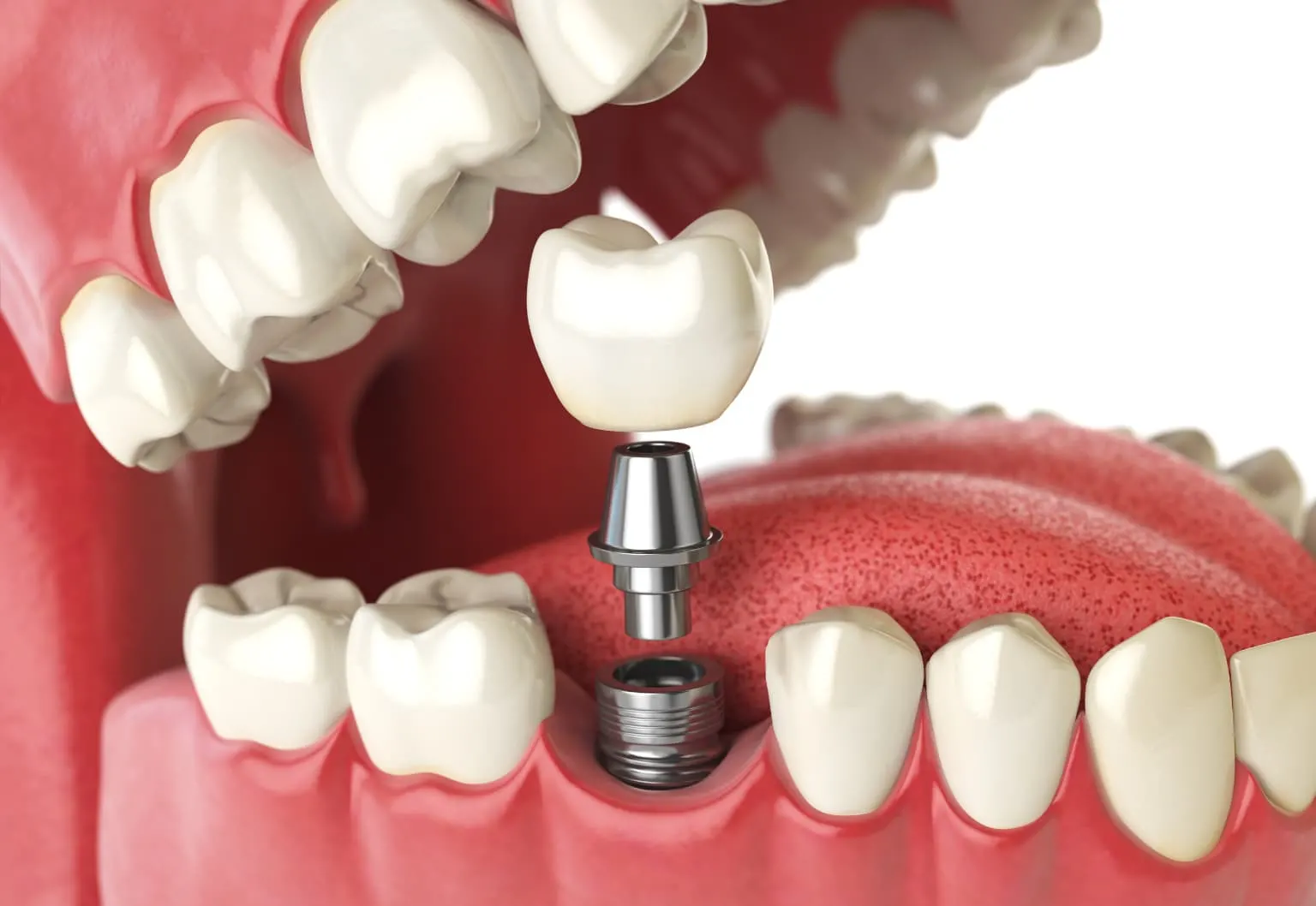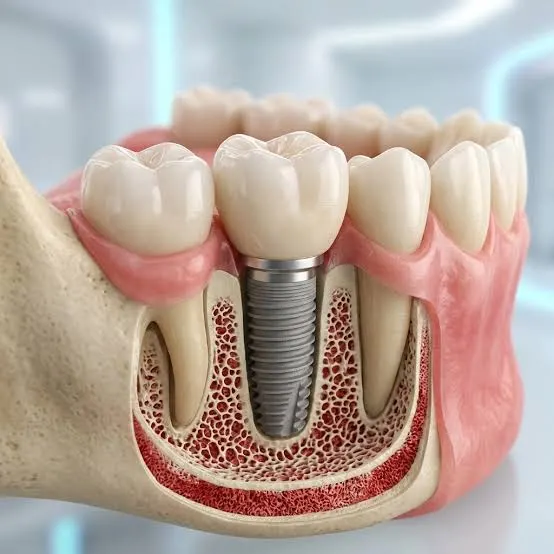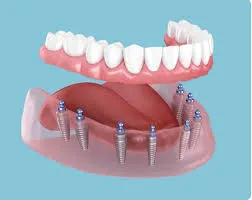
Implants cannot decay like natural teeth, but the gum and bone around them can become inflamed. Peri-implantitis is a condition in which the soft tissue around an implant is inflamed and the supporting bone starts to be lost. In its early stages it often causes little or no pain, so it can go unnoticed for some time. Left untreated, the bone holding the implant can gradually shrink, and in advanced cases the implant may be lost. This article explains what inflammation around implants is, which signs to look out for, who is more likely to develop it, how it is treated and what you can do to prevent it.
What is peri-implantitis?
Inflammation around implants is usually described in two stages:
- Peri-implant mucositis: Inflammation is limited to the gum around the implant and there is no bone loss. The gum may look red and swollen and bleed when brushed. This stage is similar to gingivitis around natural teeth and can often be reversed with proper cleaning and care.
- Peri-implantitis: Inflammation has progressed to the bone supporting the implant and bone loss has begun. It can be compared to advanced gum disease (periodontitis) around natural teeth, and its treatment is more involved.
The underlying cause of both is bacterial plaque that builds up on and around the implant, which is why long-term success after implant treatment depends so much on cleaning. When plaque is not removed regularly, the body’s inflammatory response to these bacteria gradually damages the surrounding tissues. Studies report varying figures for how common inflammation around implants is, but mucositis is known to be fairly widespread, and some cases progress to peri-implantitis if left untreated.
Signs to look out for
Peri-implantitis often develops quietly. It is a good idea to see your dentist if you notice any of the following:
- Redness or swelling of the gum around an implant
- Bleeding when brushing or flossing
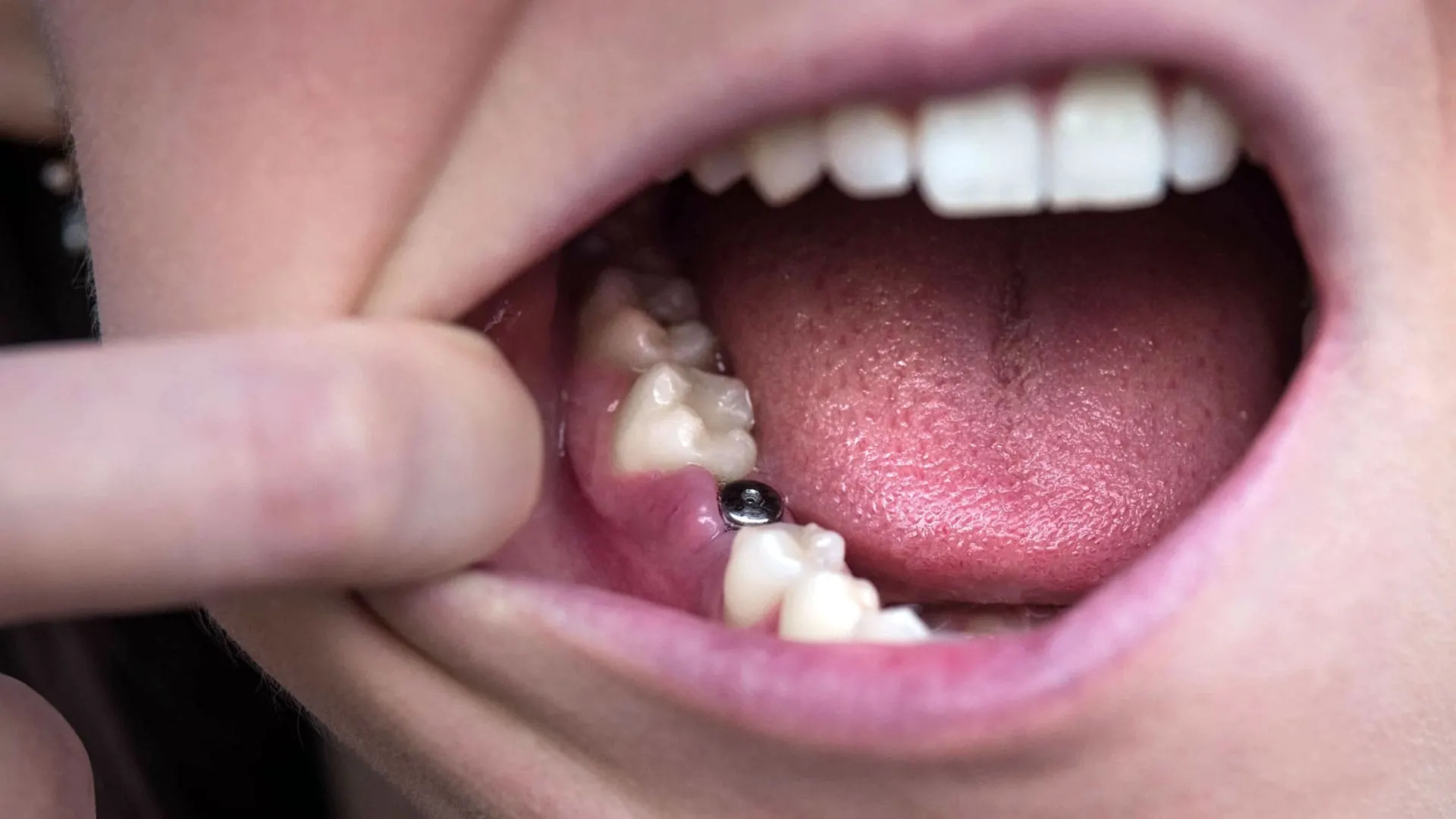
- Gum recession, with the metal part of the implant becoming visible
- Pus coming from around the implant
- A persistent bad taste or bad breath
- Tenderness in the implant area or discomfort when chewing
- In advanced cases, a loose implant
It is important to know that pain is often a late sign, so the absence of pain does not mean the area is healthy. At regular check-ups your dentist measures the pocket depth around the implant, checks for bleeding and, when needed, compares bone levels on X-rays with earlier records.
Who is more at risk? Risk factors
Anyone with implants can develop peri-implantitis, but certain factors increase the risk:
- Poor oral hygiene: The most significant risk factor. Plaque around the implant is the main cause of inflammation.
- A history of gum disease: People who have had periodontitis are more likely to develop inflammation around implants.
- Smoking: It impairs blood flow and healing, and can also mask signs of inflammation.
- Poorly controlled diabetes: It can reduce resistance to infection and slow tissue healing.
- Missing regular check-ups: Early signs are more easily overlooked.
- Restorations that are hard to clean: If the design of the crown or bridge makes cleaning around the implant difficult, plaque builds up more easily.
- Excess cement: Cement left under the gum when a crown is fitted can trigger inflammation.
- Heavy biting forces and clenching: Not a cause on its own, but they can put extra strain on the tissues around the implant.
When several of these factors occur together, the risk can rise further. Knowing your own risk factors helps you and your dentist set up a care and check-up routine that suits you.
How is peri-implantitis treated?
Treatment is planned according to the stage of inflammation, the amount of bone loss and the condition of the implant. The aims are to control the inflammation, stop further bone loss and, where possible, regain some of the lost tissue.
Non-surgical treatment
For mucositis and early peri-implantitis, the first step is usually non-surgical. The implant surface and surrounding area are cleaned with specialised instruments to remove plaque and tartar. Your dentist may recommend antiseptic mouth rinses or local or systemic antibiotics where appropriate. Improving your home care routine is an important part of this stage.
Surgical treatment
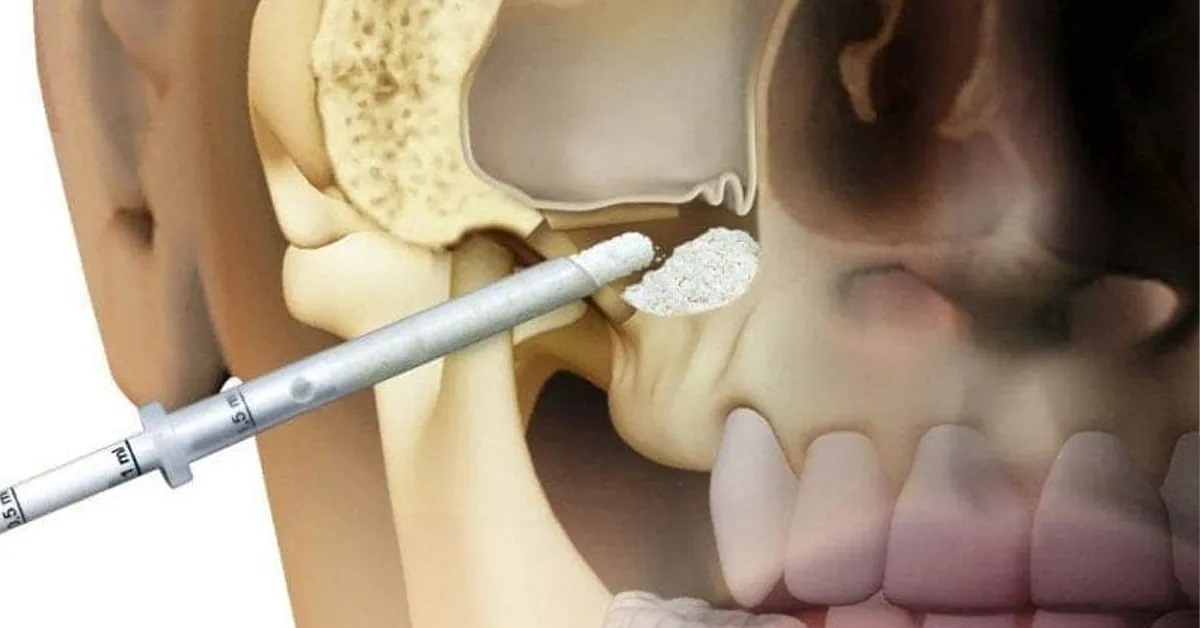
If inflammation continues despite non-surgical treatment, or bone loss is significant, surgery may be considered. The gum is lifted so the implant surface can be cleaned directly. Depending on the shape of the bone loss, bone graft material and a membrane may be used to try to rebuild some of the bone, or the tissues may be reshaped so the area is easier to keep clean.
Removing the implant
If bone loss is very advanced and the implant is loose, it may need to be removed. Once the area has healed, a new implant or a different type of restoration can be considered if the bone allows. We look at whether a failed implant can be replaced in a separate article.
Outcomes vary from person to person. Cases caught early generally respond better, while in advanced cases the goal is often to stop the inflammation and preserve what remains. Regular follow-up and more frequent professional cleaning are recommended after treatment, as inflammation can return.
How to help prevent peri-implantitis
The foundation of prevention is cleaning your implants as carefully as natural teeth:
- Clean your teeth and the area around your implants at least twice a day with a soft brush.
- Use interdental brushes, implant-friendly floss or a water flosser as your dentist recommends.
- Attend check-ups and professional cleaning at the intervals your dentist sets, often every three to six months.
- If you smoke, consider stopping.
- If you have diabetes, keep your blood sugar under regular control.
- If you clench or grind at night, wear the protective guard your dentist recommends.
- Show your dentist any bleeding or swelling around an implant without delay.
Frequently asked questions
Can peri-implantitis be treated?
When it is caught early, the inflammation can often be brought under control. More advanced cases may need surgery, and the aim is usually to stop bone loss from progressing. The outcome depends on how much bone has been lost and on ongoing care.
Is it normal for an implant to bleed when brushing?
Bleeding around an implant when brushing is not expected in healthy tissue and is often the first sign of inflammation. If it does not settle within a few days, have your dentist check it. In the early stage, professional cleaning and better home care are usually enough.
Can peri-implantitis cause an implant to fall out?
Untreated peri-implantitis can gradually reduce the bone supporting the implant and, in advanced stages, lead to the implant becoming loose and being lost. That is why early signs should be taken seriously and regular check-ups kept up.
Is peri-implantitis contagious?
Peri-implantitis is not regarded as an infection that passes from person to person. It develops from the body’s inflammatory response to the plaque bacteria in a person’s own mouth. Treating any other gum disease in the mouth also helps protect the tissues around implants.
If you have noticed bleeding, swelling or a bad taste around an implant, or it has been a long time since your last check-up, a dental examination can assess the condition of the tissues around it. After the examination and any necessary X-rays, your dentist can explain the care or treatment plan that suits you.
This article is for general information only; the right treatment for you is decided by your dentist after an examination and any necessary tests.