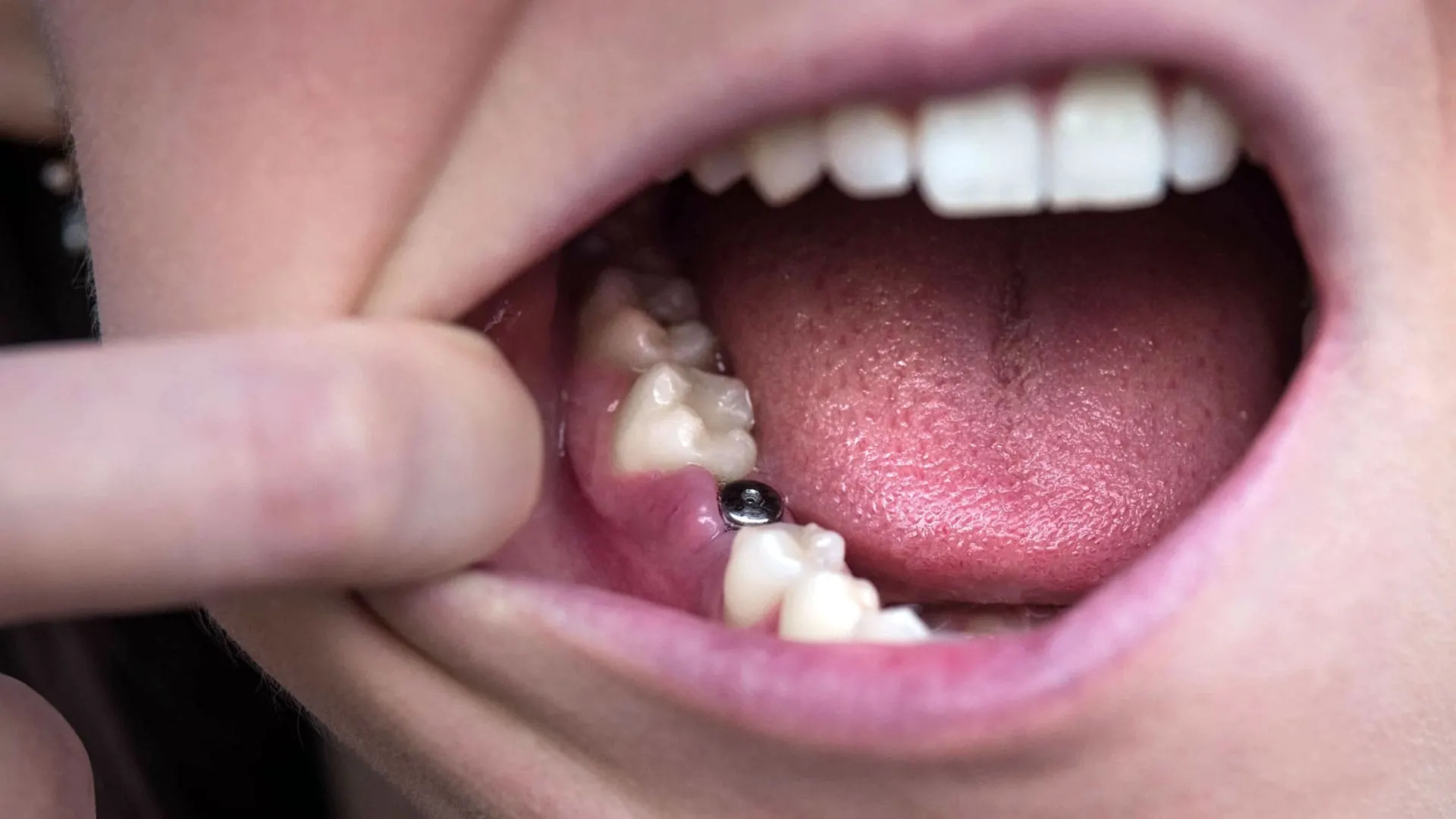
When a tooth is extracted or lost, especially at the back of the mouth where nobody sees it, putting off treatment is common. In the short term most people notice no obvious problem. However, the consequences of missing teeth can build up slowly over time: neighbouring teeth may drift into the gap, the opposing tooth may over-erupt, the jawbone may begin to shrink and the bite may change. In this article we look at the possible effects of an untreated gap, the timeframe in which these changes can appear, whether every missing tooth needs replacing and what the options are.
Consequences of missing teeth: what changes in the mouth
The teeth work as a system that supports itself within the jaws. When a tooth is lost, that balance is disturbed and the surrounding structures gradually adapt to the new situation. The most common changes are:
- Drifting and tilting of neighbouring teeth: The teeth in front of and behind the gap, particularly at the back of the mouth, can tilt into the space. This can lead to food trapping and make cleaning harder.
- Over-eruption of the opposing tooth: A tooth in the opposite jaw that has lost its partner can gradually grow down or up into the gap (supra-eruption). This can disturb the bite and make treating the gap more difficult later.
- Bone loss: A tooth root stimulates the jawbone through chewing forces. When the tooth is lost, that stimulation stops and the bone begins to shrink in width and height.
- Gum and tooth problems: Plaque collects more easily around tilted teeth, which can raise the risk of decay and gum disease.
How quickly and how severely these changes occur varies considerably from person to person, depending on where the tooth was and on overall oral health. Not every gap leads to all of them.
Bone loss and effects on facial appearance
In the first months after an extraction, the jawbone remodels significantly. Studies show that most bone loss happens within the first year after extraction and that it can continue, more slowly, in the years that follow.
Possible consequences of bone loss include:
- Insufficient bone if an implant is planned later, so that extra procedures such as a bone graft or sinus lift may be needed
- Downward expansion of the sinus in the upper back jaw
- With many missing teeth, reduced support for the lips and cheeks and a sunken look to the lower face
- For denture wearers, a gradually poorer fit of the denture
Given why the jawbone matters in implant procedures, planning can become more complex when a decision is put off for a long time. This does not mean that a delay will always have serious effects, but talking to your dentist early keeps more options open.
Effects on chewing, bite and speech
Missing teeth can affect not only the area of the gap but the overall function of the mouth:
- Chewing: Chewing efficiency drops, especially when several back teeth are missing. People may start chewing on one side without noticing, which can overload the teeth and jaw muscles on that side.
- Bite changes: Drifting and over-erupted teeth can change how the upper and lower teeth meet. In some people this may be linked with discomfort around the jaw joint and muscle fatigue.
- Load on other teeth: The remaining teeth carry more force, which can raise the risk of wear, cracks or fractures.
- Speech: Gaps at the front can affect how certain sounds are pronounced.
- Diet: Difficulty chewing can lead some people to avoid hard or fibrous foods, reducing the variety in their diet.
Cosmetic and social effects should not be overlooked either. Gaps in visible areas, in particular, can make people avoid smiling.
Does every missing tooth need replacing?
Not every missing tooth has to be replaced. The decision is individual and is made after an examination.
- Wisdom teeth: Extracted wisdom teeth are usually not replaced.
- Teeth with no role in the bite: The loss of some very back teeth that have no opposing partner and do not take part in the bite may not always need treatment.
- Orthodontic planning: Sometimes spaces can be closed by moving teeth during orthodontic treatment.
- General health: For some people, treatment may be postponed or simpler options preferred because of their health.
In children, when a baby tooth is lost early, a space maintainer may be needed to hold space for the permanent tooth; this is assessed within paediatric dentistry.
Treatment options for missing teeth
If a missing tooth does need replacing, the main options are:
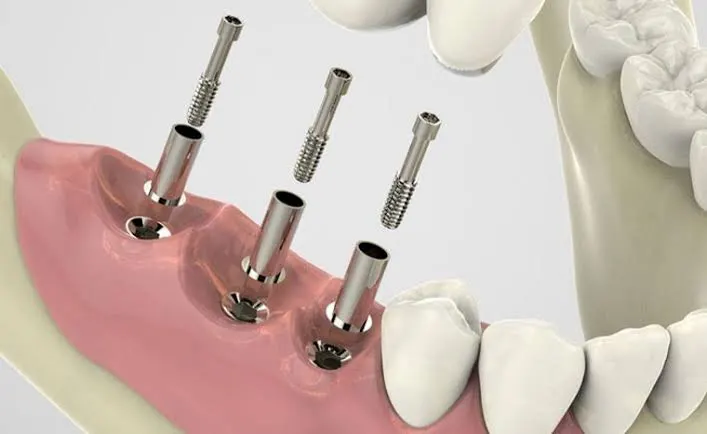
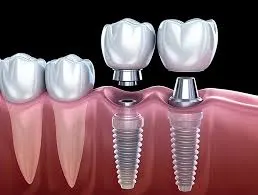
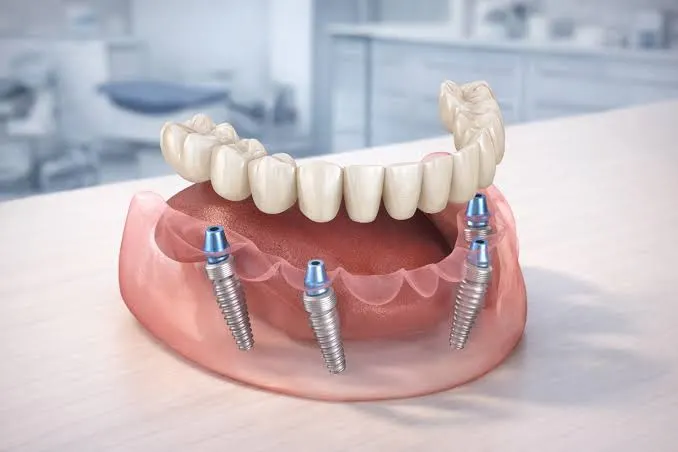
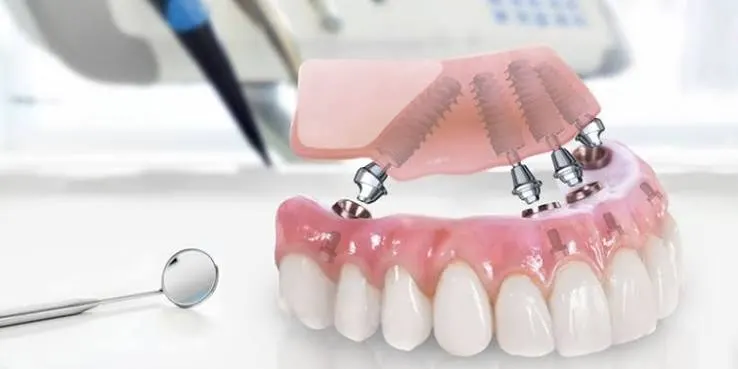
- Implant: A screw placed in the jawbone with a crown on top replaces the missing tooth. Its advantages are that it does not involve the neighbouring teeth and it continues to stimulate the bone. Suitability depends on the amount of bone and your general health. For a single gap, single tooth implant treatment may be considered.
- Bridge: The teeth on either side of the gap are used as supports and crowned. It is usually completed in a shorter time, but tooth structure has to be removed from the supporting teeth.
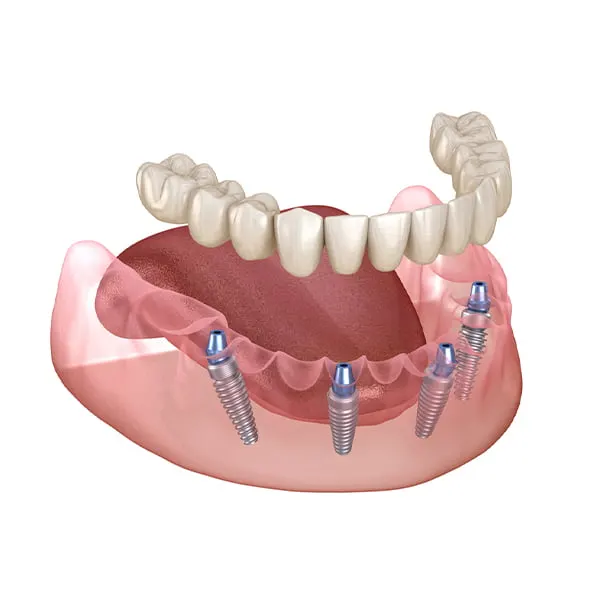
- Removable partial denture: A denture that can be taken in and out. It may be chosen when several teeth are missing or when other options are not suitable.
Which option suits you depends on where the gap is, the condition of the neighbouring teeth, the bone, the bite, your general health and your expectations. Questions about cost also depend on this plan.
Frequently asked questions
How soon after an extraction should a tooth be replaced?
There is no fixed timeframe, and it varies from person to person. Because most bone loss happens in the first year, treatment is generally recommended to be planned within a few months of the extraction. In some cases an implant can even be considered at the same visit as the extraction; your dentist will decide.
Is one missing back tooth a problem?
In the short term it often causes no obvious problem. Over time, however, neighbouring teeth can tilt, the opposing tooth can over-erupt and food can get trapped. Whether these changes happen, and how quickly, differs between people.
Can an implant be placed where a tooth was removed years ago?
In most cases yes, but if bone has been lost in the meantime, extra procedures may be needed. The amount of bone is assessed with 3D imaging. Whether a bone graft or sinus lift is needed is decided based on that assessment.
Will drifted teeth move back on their own?
Teeth that have drifted or over-erupted do not return to their original positions by themselves. In mild cases restorations can be adapted to them; with significant movement, orthodontic treatment may be needed to correct the teeth. That is why it helps to have changes assessed before they progress.
Talking through your options in time
A missing tooth does not always need to be treated straight away, but knowing the possible effects of waiting makes the decision easier. If you are considering an assessment for missing teeth in Kahramanmaraş, a dental examination that looks at your bone, your neighbouring teeth and your bite can help you calmly plan the option that suits you.
This article is for general information only; the right treatment for you is decided by your dentist after an examination and any necessary tests.