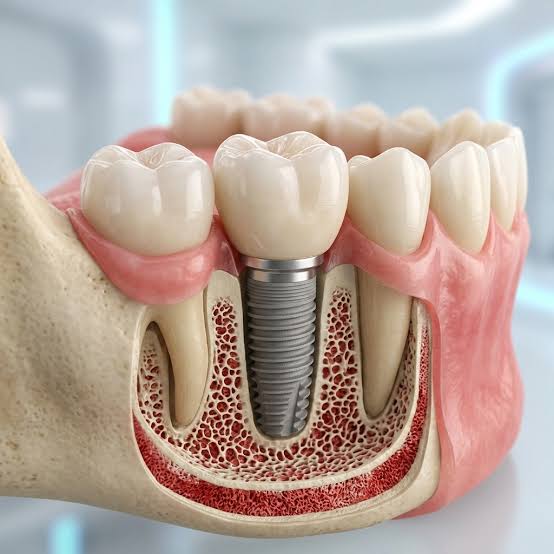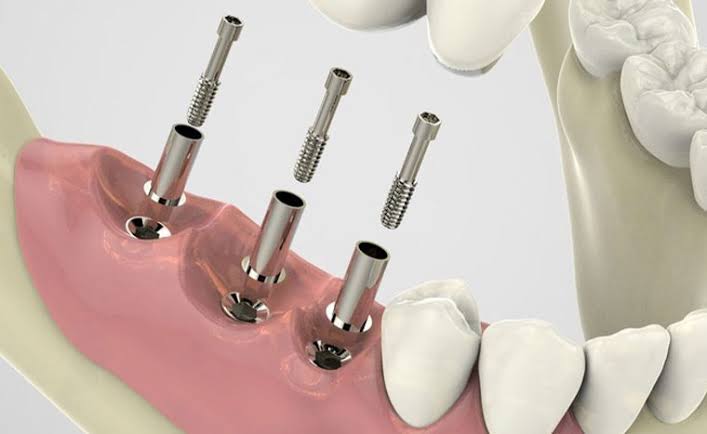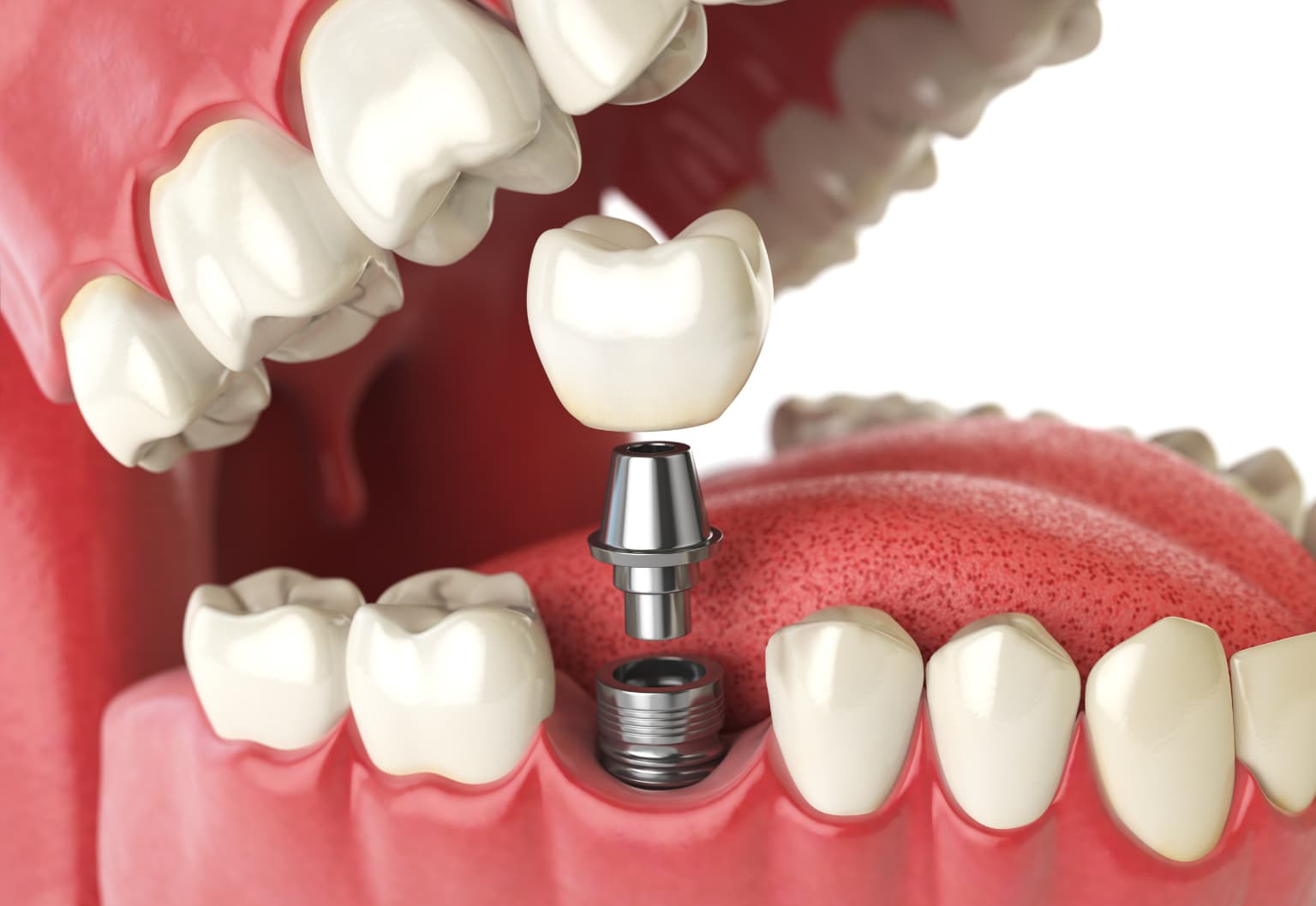
Implants are widely used to replace missing teeth, and studies generally report high long-term success rates. Even so, placing an implant is a surgical procedure, and like any surgery it carries some risks. Understanding dental implant risks in advance helps you make a more informed decision, know what to watch for during recovery and recognise a possible problem early. This article covers complications that can occur during and after the procedure, long-term issues, the factors that increase risk and what both your dentist and you can do to reduce it.
What are the main dental implant risks?
It helps to group implant complications by when they tend to occur:
- During or shortly after the procedure: Bleeding, swelling, bruising, infection, and nerve- or sinus-related problems.
- During the healing period: The implant failing to bond adequately with the bone and being lost early.
- In the long term: Inflammation around the implant, bone loss, mechanical problems and aesthetic changes.
Most of these complications are uncommon, and many can be treated when picked up early. No surgical procedure can be promised to go entirely without problems, however; the level of risk depends on your health, bone structure, the extent of treatment and your oral care habits.
Complications during and shortly after surgery
Bleeding, swelling and infection
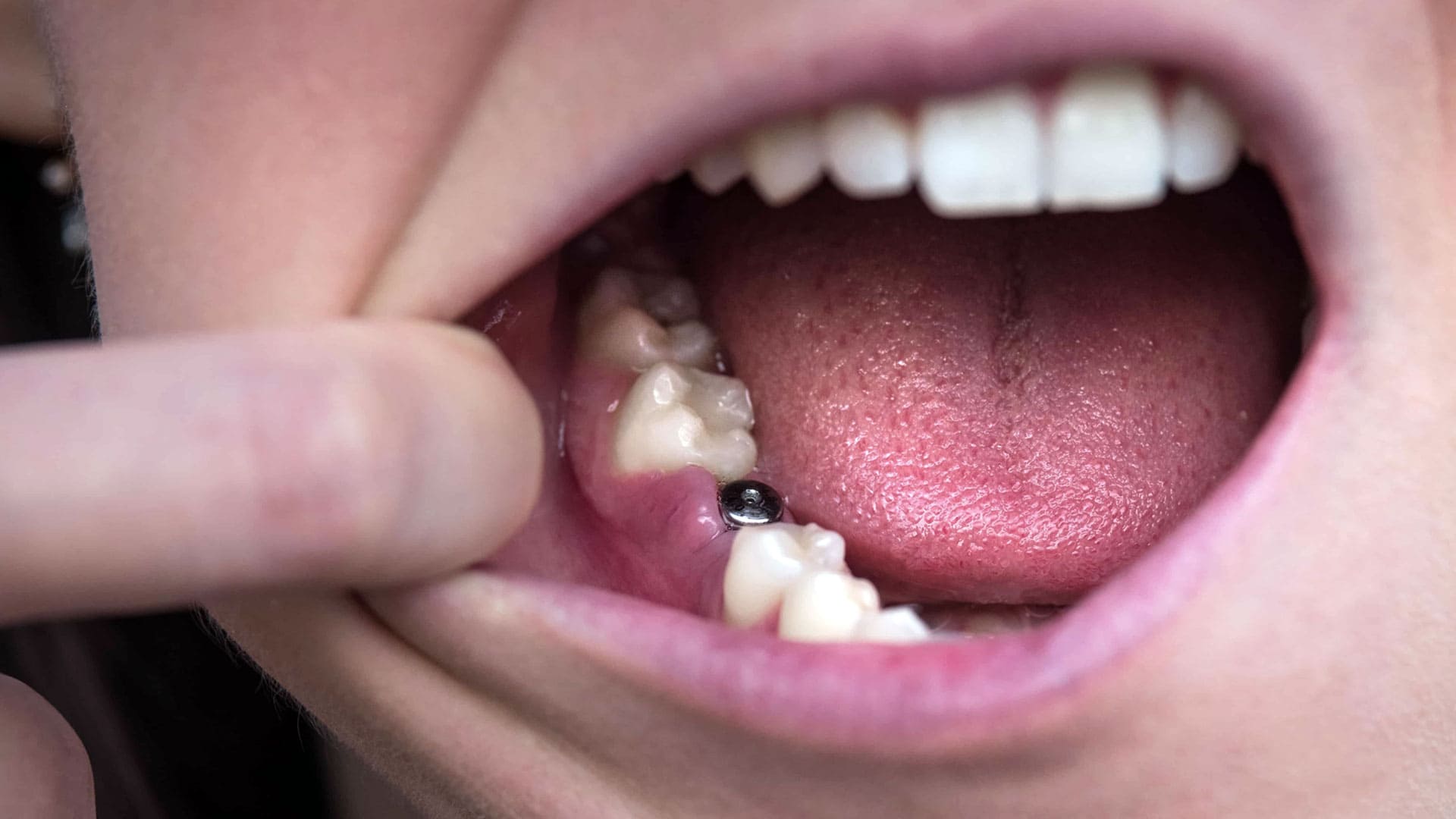
Light bleeding, swelling and bruising are expected in the first few days and usually settle within a week. Less often, an infection can develop at the surgical site. Increasing pain and swelling, fever, pus or a bad taste can point to infection and should be assessed by your dentist.
Nerve involvement
In the lower jaw, a nerve that supplies feeling to the lip and chin runs through the bone. If an implant is placed too close to this nerve or puts pressure on it, numbness, tingling or altered sensation of the lip, chin or tongue can occur. This is usually temporary but can, rarely, be long-lasting. Planning with a 3D cone beam CT scan helps locate the nerve in advance and reduce this risk.
Sinus problems
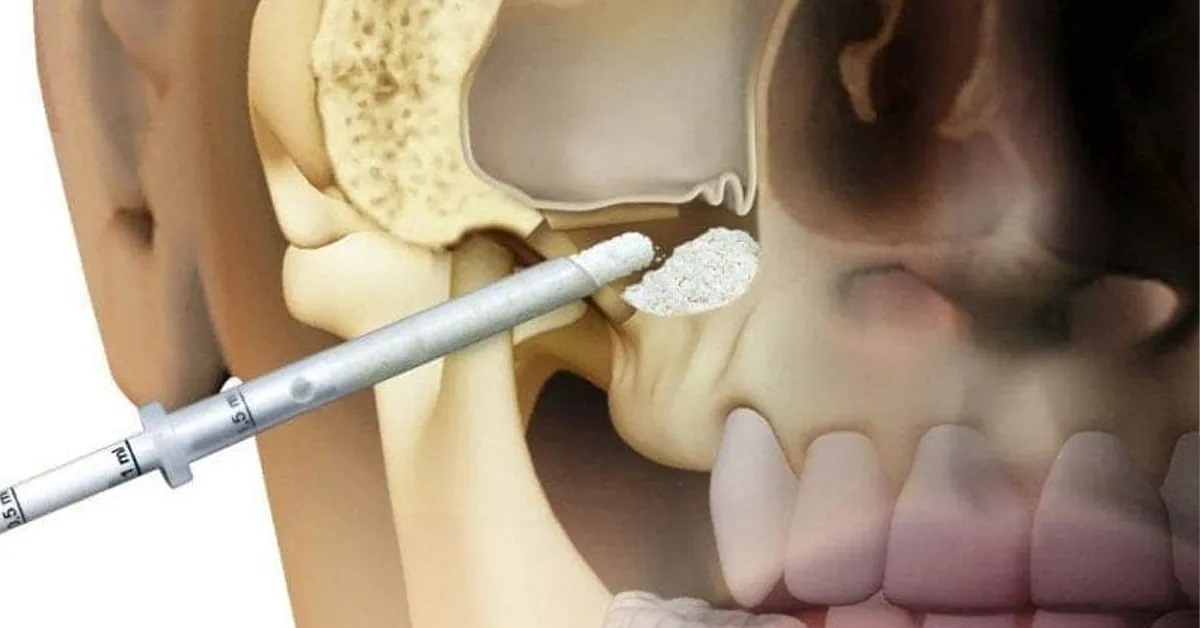
In the back of the upper jaw, the sinus cavity sits just above the bone. If bone height is insufficient, the implant can protrude into the sinus or the sinus lining can be damaged, which may lead to problems such as sinusitis. Where bone is lacking, an additional procedure such as a sinus lift may be planned before or together with the implant.
Effects on neighbouring teeth
If the angle or position of the implant is not planned carefully, the roots of adjacent teeth can be affected. Detailed measurements and imaging are important in reducing this risk. If you notice lasting sensitivity in a neighbouring tooth after surgery, mention it at your follow-up appointment.
When an implant does not integrate
An implant’s success depends on it bonding with the jawbone (osseointegration), a process that usually takes a few months. Occasionally an implant does not integrate adequately and becomes loose during healing; this is called early implant failure. Insufficient bone volume or quality, infection, smoking, poorly controlled medical conditions and loading the implant too early can all increase this risk.
If integration does not happen, the implant is removed and the situation is reassessed once the area has healed. In many cases another implant can be placed later; our article on whether a new implant can replace a failed one explains this in more detail.
Possible long-term problems
Even after successful integration, an implant needs regular care. The main long-term issues include:
- Peri-implantitis: Inflammation of the gum and bone around the implant with bone loss. Poor oral hygiene, smoking and a history of gum disease increase the risk.
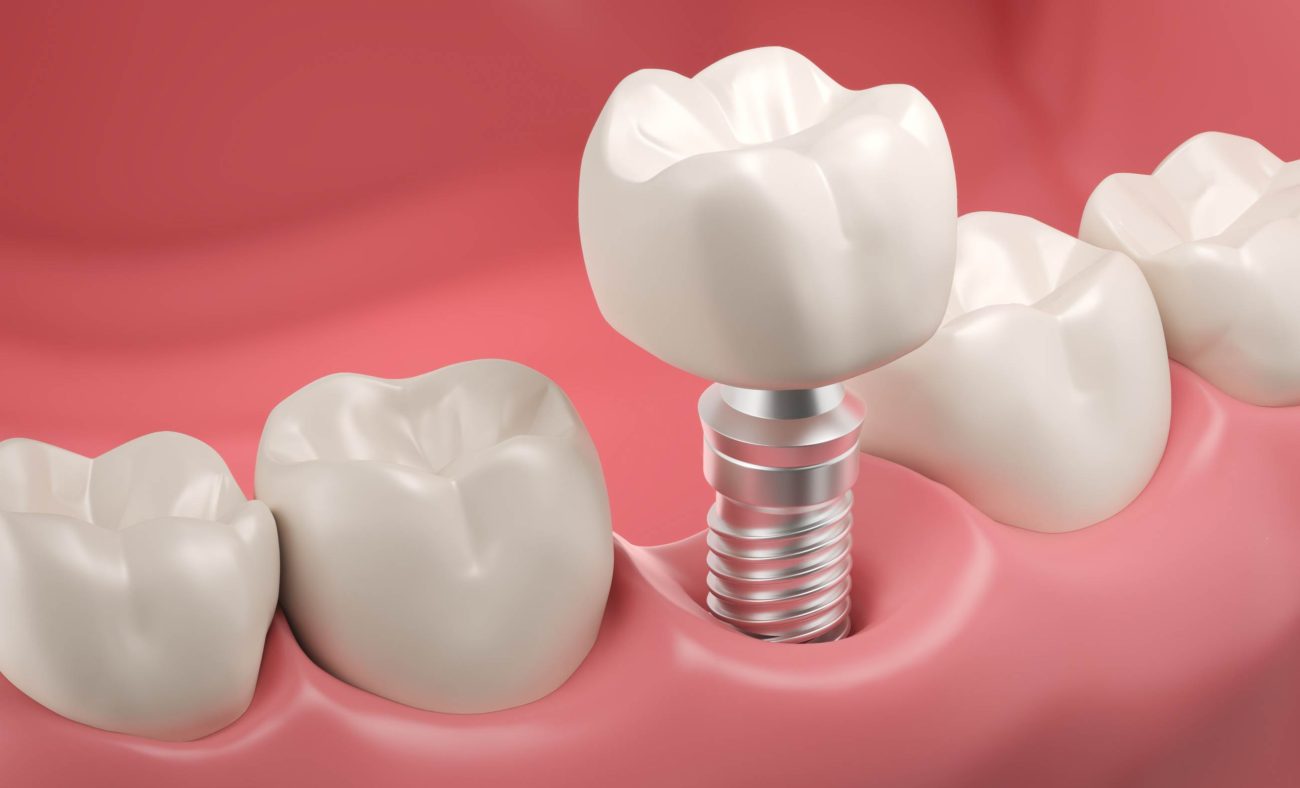
- Mechanical problems: The abutment screw loosening, porcelain chipping on the crown or, very rarely, fracture of the implant itself.
- Aesthetic changes: Gum recession over time can expose the metal part of the implant, which can be a cosmetic concern at the front of the mouth.
- Problems from heavy biting forces: Clenching or grinding at night can strain the implant and restoration components.
Many of these problems cause no obvious symptoms at first. For example, bone loss around an implant can progress for a long time without any complaint and may only show up on check-up X-rays. That is why it is important to attend check-ups at the intervals your dentist sets, often every three to twelve months. At these visits the gum around the implant, the fit of the restoration, the screws and your bite are checked, professional cleaning is done if needed and small issues can be dealt with before they grow.
Risk factors and how to reduce risk
Some situations make implant complications more likely:
- Smoking
- Poorly controlled diabetes and some chronic illnesses
- Certain medications used to treat osteoporosis (particularly those given intravenously)
- Previous radiotherapy to the head and neck
- Untreated gum disease or a history of gum disease
- Poor oral hygiene and missed check-ups
- Clenching or grinding at night
Reducing risk is a shared responsibility. On your dentist’s side, a thorough examination, a review of your medical history, X-rays and, where needed, 3D imaging for planning, and appropriate surgical technique all matter. On your side, telling your dentist about all medications and health conditions, following aftercare instructions, stopping or cutting down smoking, careful daily oral hygiene and regular check-ups make a real difference. Following the precautions recommended after implant surgery is an important part of this.
Frequently asked questions
Are dental implants dangerous?
With proper planning, implant treatment is a commonly performed surgical procedure. Like any surgery it carries some risks, but serious complications are uncommon. Your dentist can explain your individual level of risk after assessing your health and your mouth.
Can the body reject a dental implant?
An implant is not rejected by the immune system in the way a transplanted organ can be. However, an implant sometimes fails to integrate with the bone and is lost early. The usual causes are infection, insufficient bone, smoking or underlying medical conditions.
Is numbness after implant surgery permanent?
Numbness lasting a few hours after the procedure is the effect of the anaesthetic and is normal. Numbness that lasts longer may indicate nerve involvement; in most cases it improves over time, but rarely it can be long-lasting. If numbness does not wear off, contact your dentist promptly.
How do I know if my implant is failing?
A loose feeling, pain when chewing, swelling, bleeding or pus around the implant are signs to watch for. Early problems do not always cause symptoms, though. That is why regular check-ups, with X-rays when needed, are important.
If you are considering implant treatment, a thorough dental examination and the necessary imaging are the first step in assessing the risks that apply to you. Afterwards, your dentist can discuss with you whether an implant is suitable and how a plan could be shaped to keep possible risks as low as possible.
This article is for general information only; the right treatment for you is decided by your dentist after an examination and any necessary tests.