One of the first questions people ask when considering implant treatment is how many years an implant will last. So, how long do dental implants last? There is no single number, because how long an implant stays healthy depends on many factors, from oral hygiene and smoking to general health and regular check-ups. Research shows that the large majority of well-planned and well-maintained implants are still functioning after 10 years or more. This article explains typical implant lifespan, what can shorten it and what you can do to keep your implants for many years.
How long do dental implants last on average?
Long-term studies usually report 10-year success rates above 90 percent. Many people use their implants for 20 years or longer. These figures are averages, though, and individual results vary.
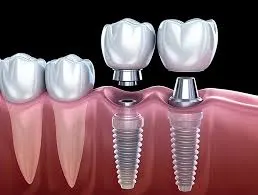
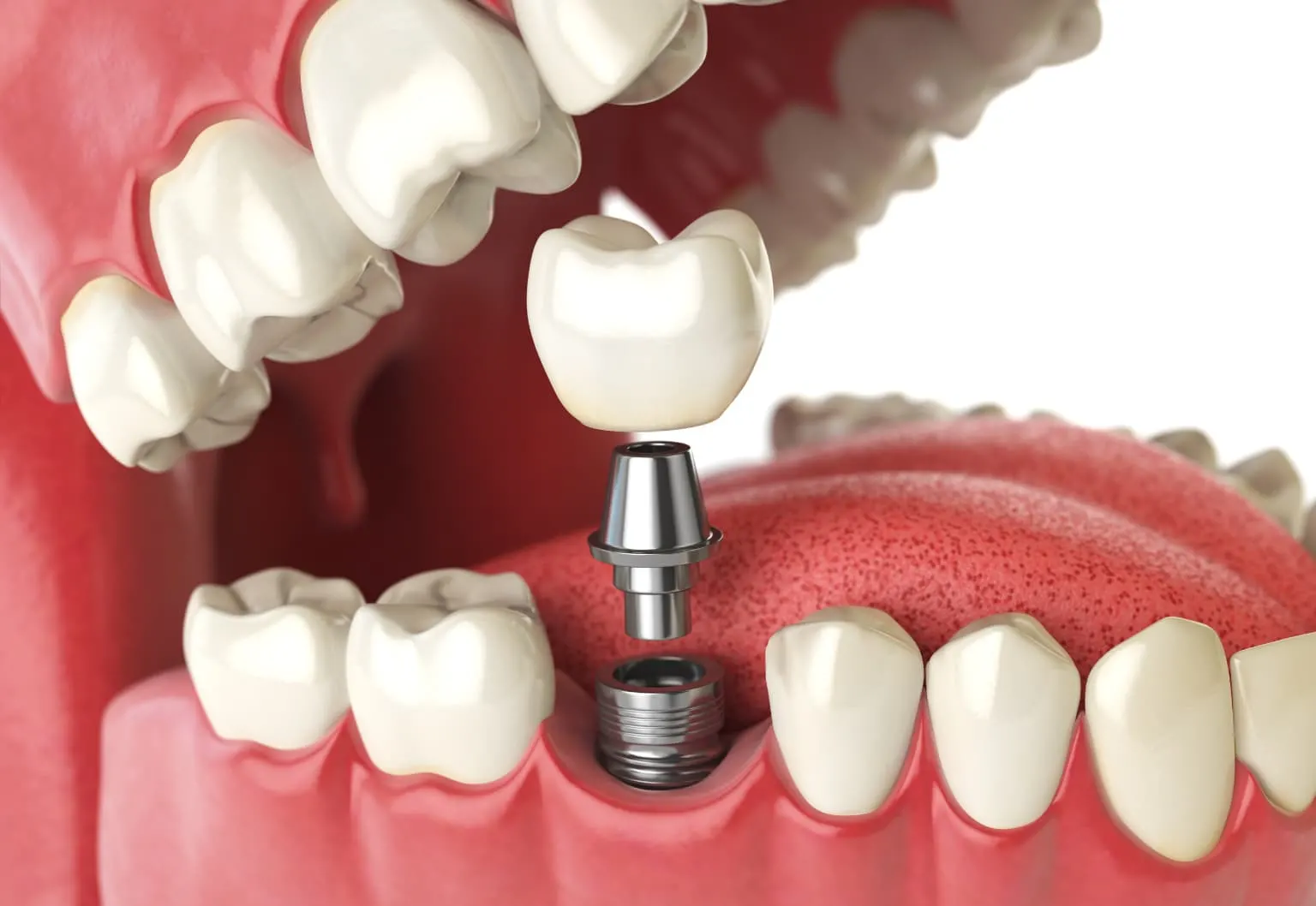
It helps to make an important distinction. An implant restoration has two main parts:
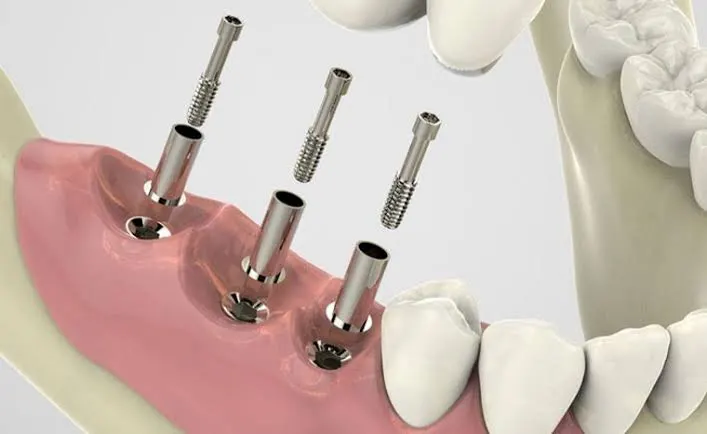
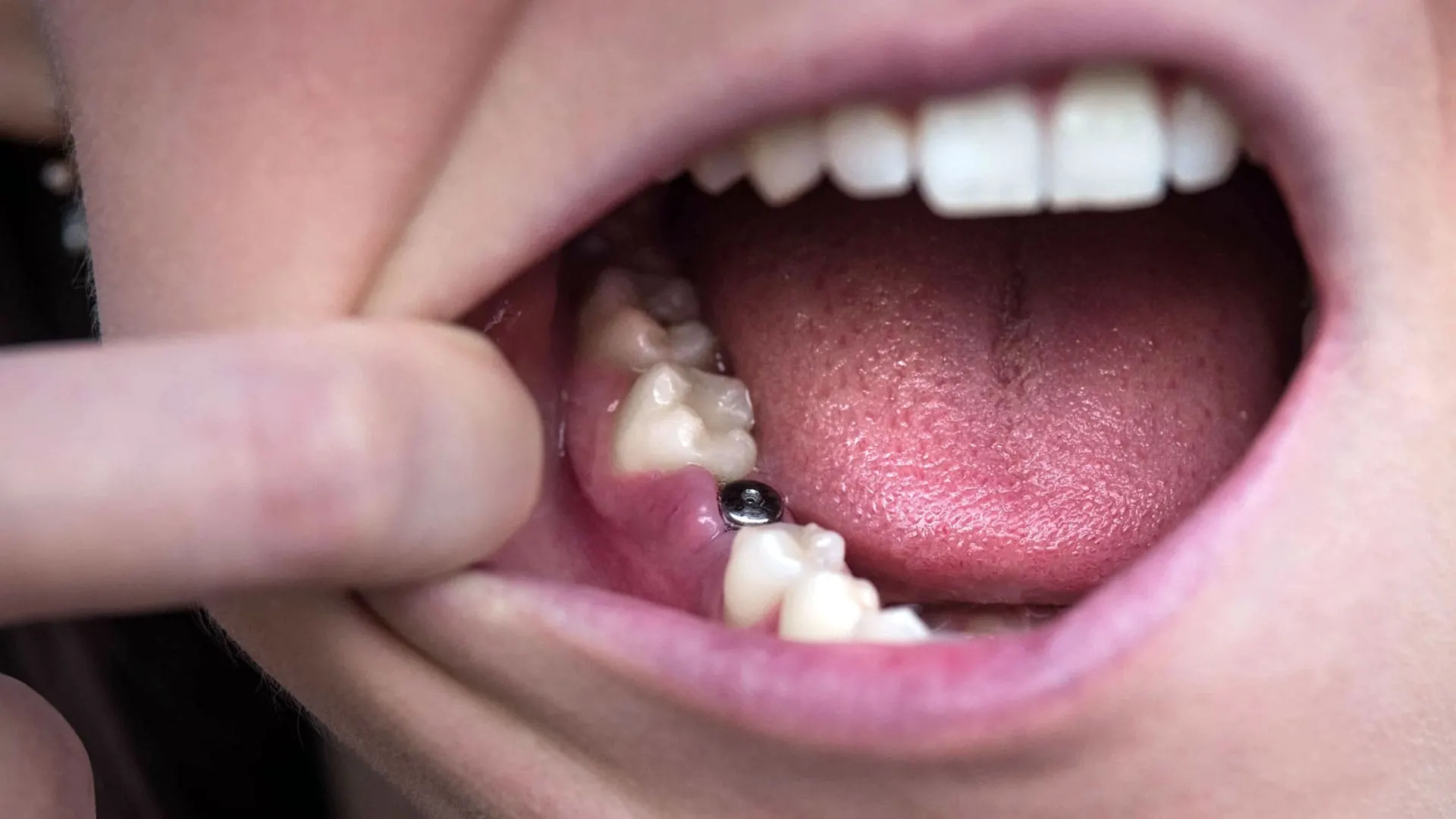
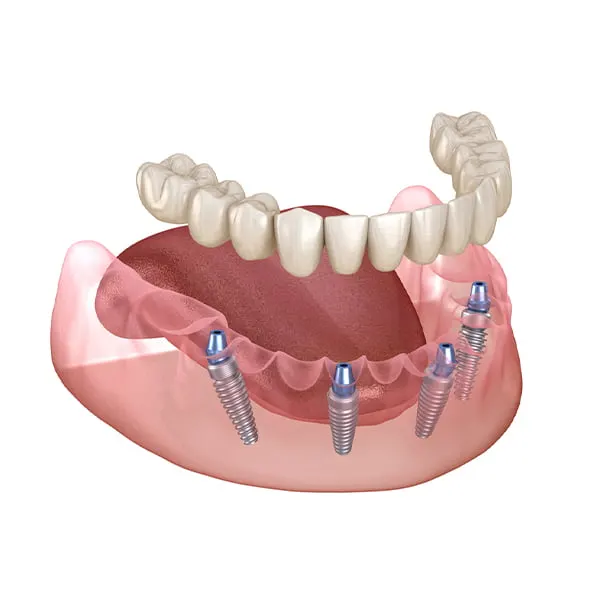
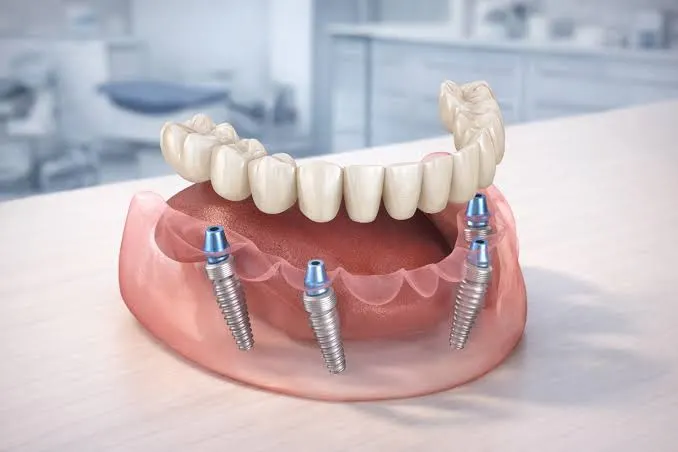
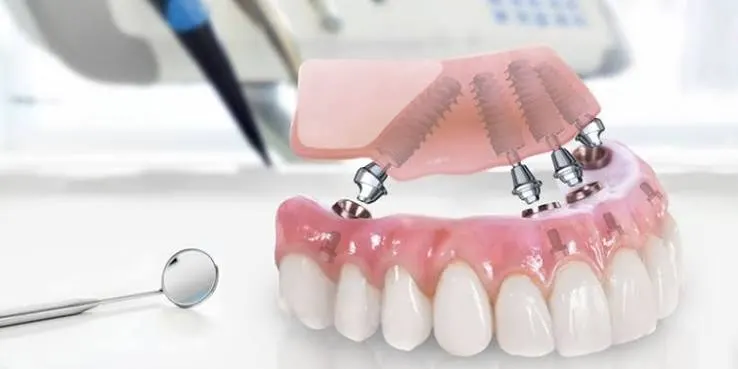
- The implant body: The titanium or zirconia screw placed in the jawbone that acts as a root. Once it has fused with the bone, it can stay in place for a very long time under suitable conditions.
- The restoration on top: The crown, bridge or denture attached to the implant. Because it takes chewing forces directly, it can wear, chip or discolour over time. It often needs repair or replacement after roughly 10-15 years.
When people ask about implant lifespan, the life of the screw in the bone and the life of the tooth on top are often confused.
Factors that affect implant lifespan
How long an implant lasts depends as much on habits after treatment as on the treatment itself. The main factors are:
- Oral hygiene: Plaque around the implant can inflame the gums and gradually lead to bone loss. This is one of the most common reasons implants are lost.
- Smoking and tobacco: Smoking reduces blood flow, slows healing and raises the risk of inflammation around implants.
- General health: Poorly controlled diabetes, some immune conditions and diseases affecting bone metabolism can all play a role.
- Clenching and grinding (bruxism): Excessive forces can fracture the restoration and overload the bone around the implant.
- Bone volume and quality: Enough healthy bone supports long-term stability.
- Planning and placement: Correct position and angle of the implant, plus a well-designed restoration, help spread forces evenly.
- Regular check-ups: Problems spotted early can often be handled with simpler measures.
How planning before treatment affects longevity
The foundation for an implant that lasts is laid before treatment starts. At the examination, your dentist checks the mouth, assesses gum health and, in most cases, uses 3D imaging to measure the height, width and density of the bone. This information guides the length, diameter and angle of the implant.
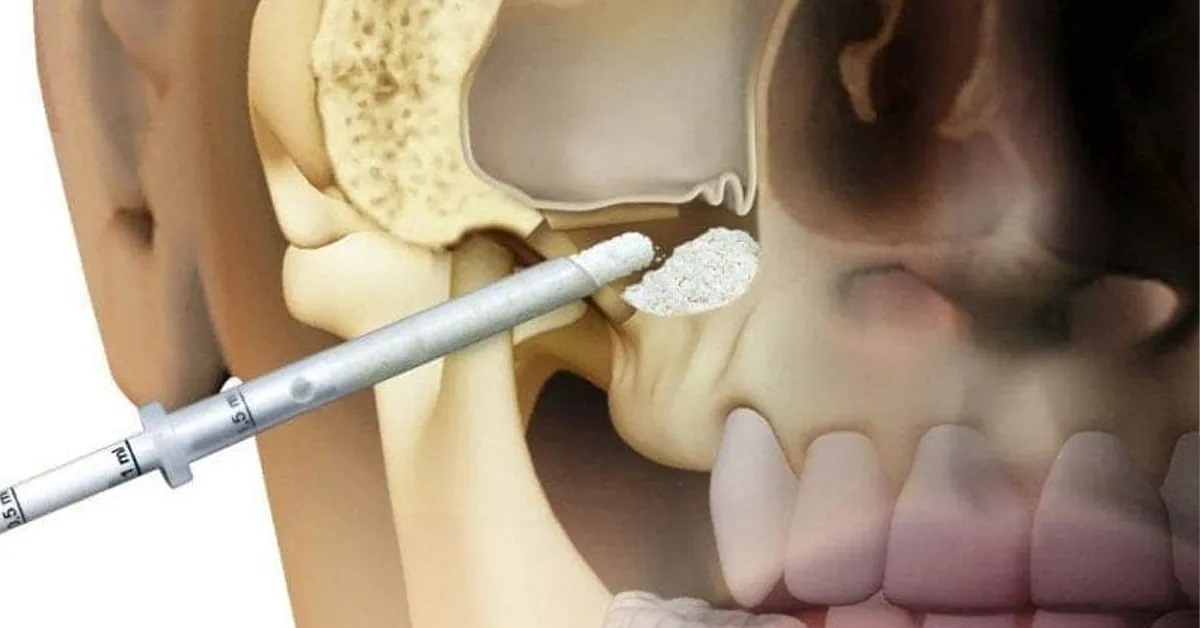
If bone is lacking, extra procedures such as bone grafting or a sinus lift may be needed. Active gum disease is treated first, because an implant placed in an inflamed environment is more likely to run into problems later. If you have a chronic condition such as diabetes, your dentist will want it well controlled. Clenching habits, your bite and the condition of the opposing teeth also influence how the restoration is designed. These steps take time, but they help the implant keep working for longer.
What problems can occur with implants?
Implant treatment has high success rates, but like any medical procedure it can run into problems:
- Peri-implant mucositis: Inflammation limited to the gum around the implant, with redness, swelling or bleeding when brushing. Treated early, it is usually reversible.
- Peri-implantitis: Inflammation that has spread to the bone. Left untreated, it can cause bone loss and eventually loss of the implant.
- Screw loosening: The screw holding the crown to the implant can loosen. Your dentist can usually fix this easily.
- Crown or porcelain fracture: More likely with very hard foods or a clenching habit.
- Early failure: Occasionally an implant does not fuse with the bone in the first months. The area is then allowed to heal and reassessed.
Some of these problems develop without obvious symptoms, which is why keeping check-up appointments matters.
How to keep your implants for many years
Long implant life rests on daily care at home combined with professional follow-up:
- Brush at least twice a day with a soft-bristled brush.
- Clean between the implant and neighbouring teeth with interdental brushes, implant floss or a water flosser.
- Consider quitting or cutting down on smoking; your dentist or doctor can support you.
- If you clench or grind, ask your dentist about a night guard.
- Avoid biting very hard things such as ice, nutshells or hard sweets with implant teeth.
- Keep chronic conditions such as diabetes under control.
- Attend check-ups and professional cleaning as often as your dentist recommends, usually every six months.
When should you see your dentist?
Do not wait for your next routine appointment if you notice any of the following:
- Bleeding, swelling or discharge around an implant
- Gum recession or part of the implant surface becoming visible
- Pain or discomfort when chewing
- A crown or denture that feels loose
- A bad taste or persistent bad breath
Seeing your dentist early can mean the problem is handled with less treatment.
Frequently asked questions
Do dental implants last a lifetime?
Under suitable conditions the implant body can stay in place for decades, but it is not possible to say this will hold for every patient. Lifespan depends on care, health and habits. The crown or denture on top may need replacing over time.
Can an implant get a cavity?
The implant itself cannot decay because it contains no natural tooth tissue. However, the gum and bone around it can become inflamed. That is why implant teeth need the same careful cleaning as natural teeth.
Can a failed implant be replaced?
In most cases, yes. Once the area has healed, the bone is reassessed, and a new implant can be planned, sometimes with bone grafting; replacing a failed implant calls for its own assessment. Understanding why the first implant failed is an important part of planning the next one.
Does smoking shorten implant life?
Studies show that smokers have a higher risk of inflammation around implants and of implant loss than non-smokers. Quitting or reducing smoking can help lower that risk. Your dentist can give advice specific to your situation.
How long your implant lasts depends largely on your own circumstances and care habits. A dental examination that looks at your mouth and general health is a sensible starting point for choosing the right treatment and follow-up plan.
This article is for general information only; the right treatment for you is decided by your dentist after an examination and any necessary tests.