When implant treatment is being planned, many people also wonder what the implant itself will be made of. Most implants today are made of titanium, but in recent years zirconia implants have been discussed more often as a metal-free alternative. Both materials have their own advantages and limitations, and which one is suitable depends on your mouth, bone condition, aesthetic expectations and general health. This article explains the differences between titanium and zirconia implants, who each option may be considered for and what is weighed up when making the decision.
What is a titanium implant?
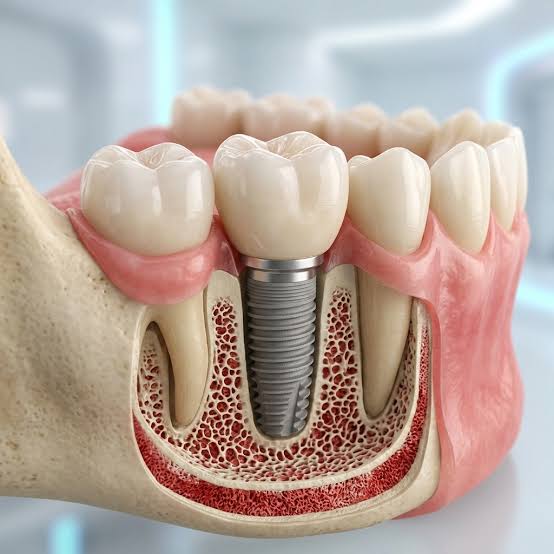
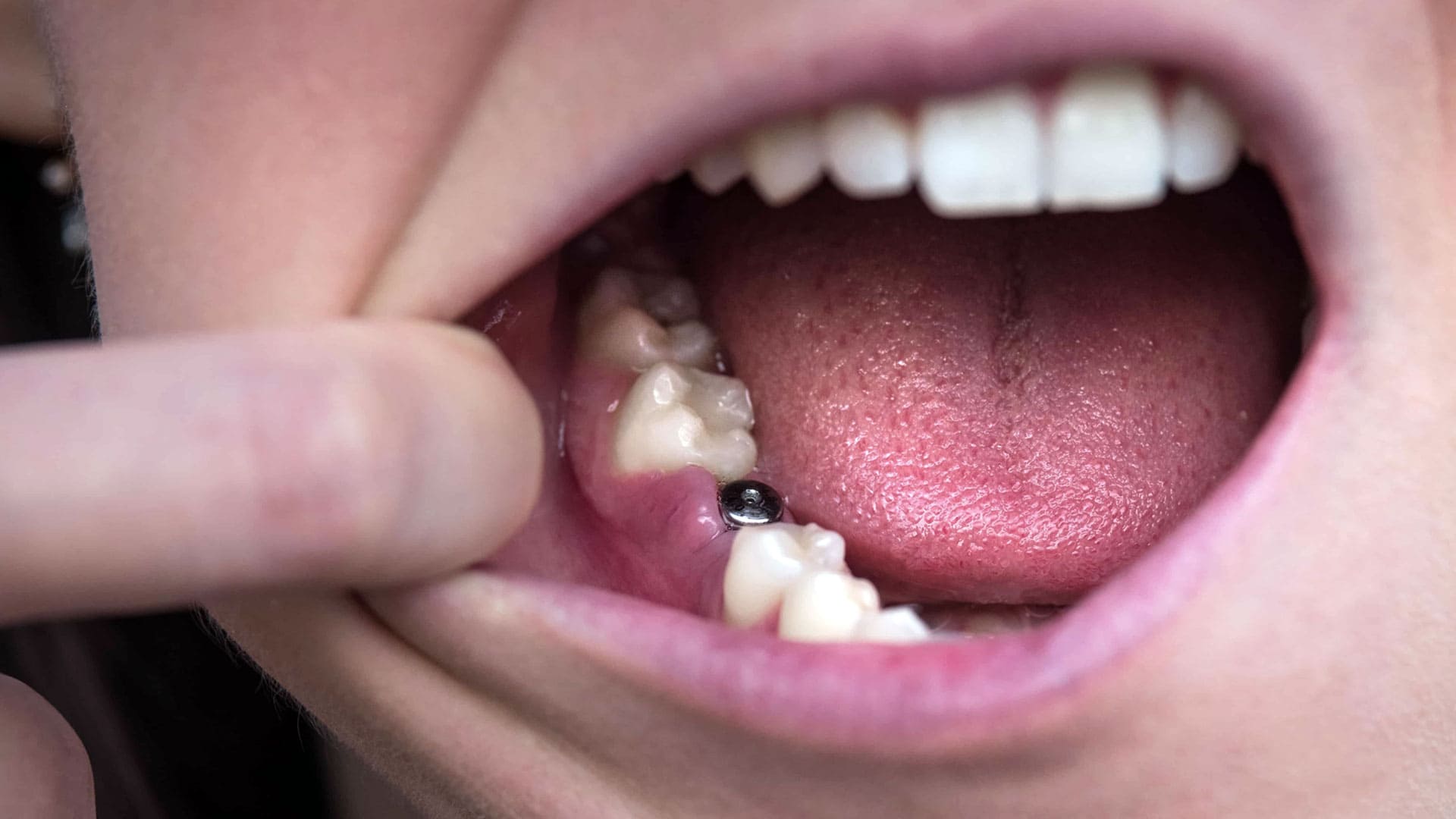
Titanium is a metal that has been used for dental implants for decades. Implants are usually made from commercially pure titanium or titanium alloys. The main features of titanium are:
- Bonding with bone: A titanium surface allows osseointegration, the process in which the implant fuses with the jawbone. This process has been studied in a very large number of clinical trials.
- Long-term evidence: There are follow-up studies on titanium implants spanning more than twenty to thirty years.
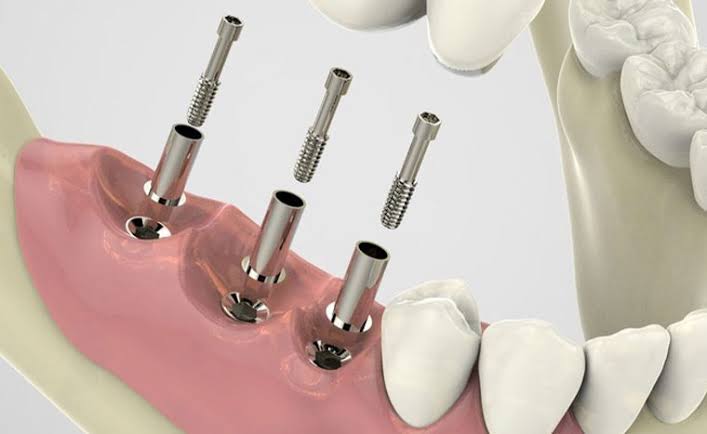
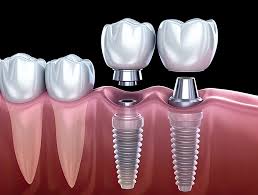
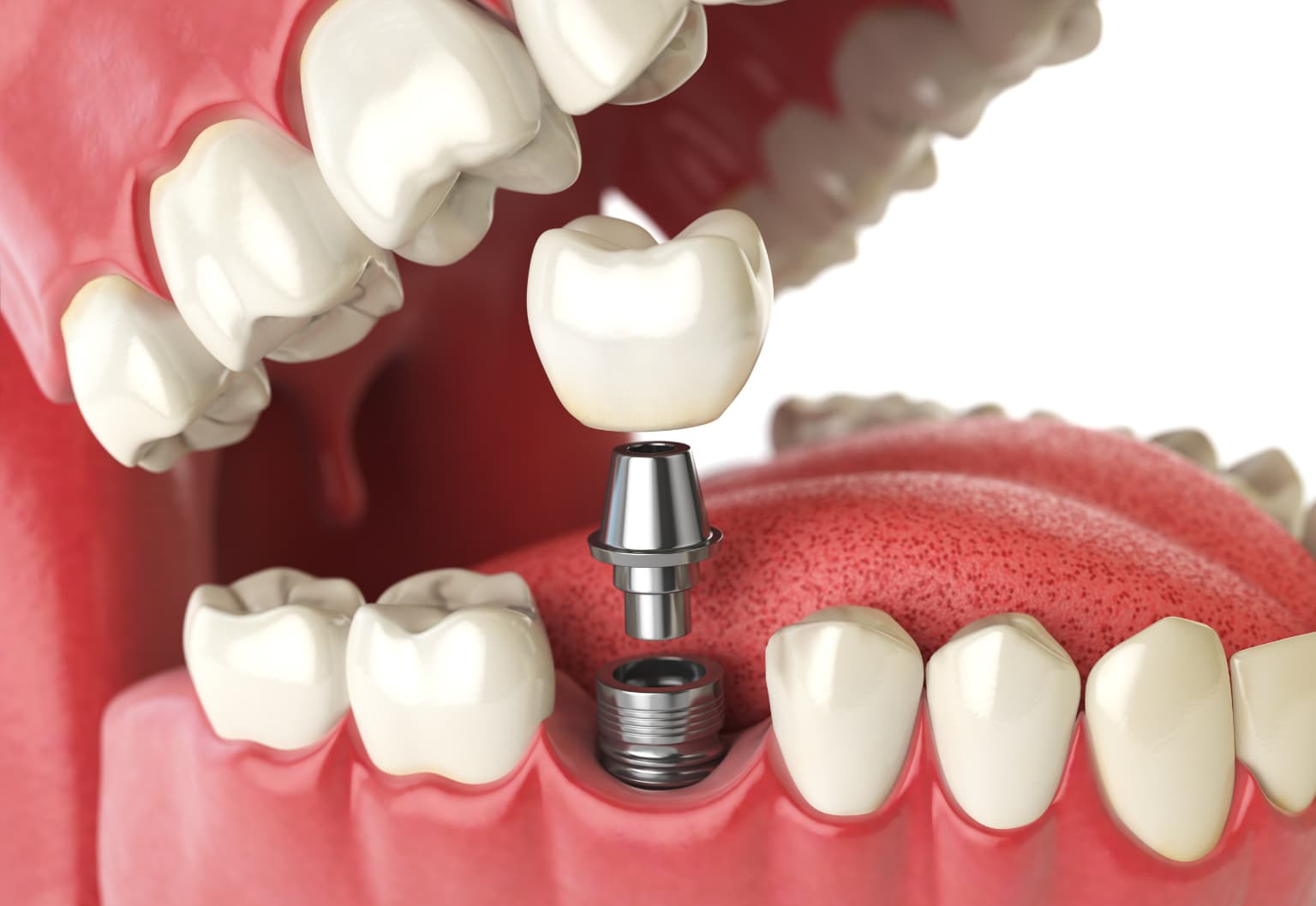
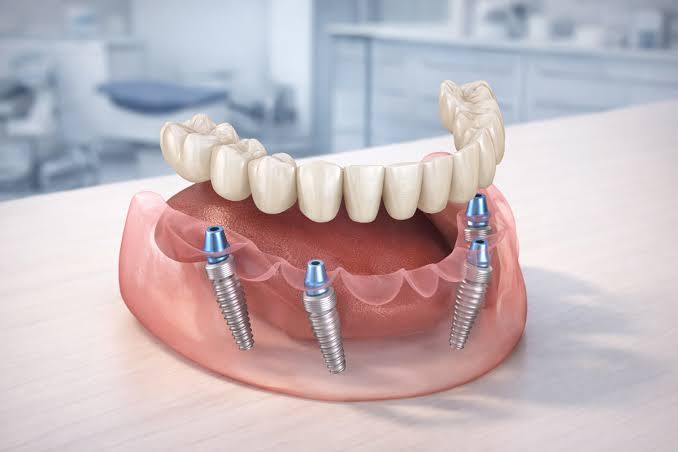
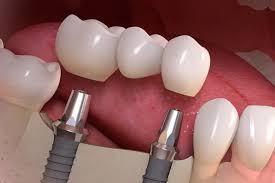
- Design flexibility: Most titanium implants are two-piece; the implant body and the abutment that connects it to the crown are separate. This allows angled abutments and makes it easier to adapt the restoration to different situations.
- Strength: Titanium is resilient and resistant to fracture under chewing forces.
A possible drawback is its grey colour. In people with very thin gums, or where the gum has receded, the implant can show through as a faint grey shadow, especially at the front of the mouth. A genuine allergy to titanium is very rare.
What are zirconia implants?
Zirconia implants are made from zirconium dioxide, a ceramic material that is also widely used for dental crowns. Their main features are:
- White colour: Because it is close to tooth colour, zirconia does not create a grey shadow under thin gums.
- Metal-free: It may be an option for people who prefer to avoid metal or who, rarely, have a sensitivity to titanium.
- Gum response: Some studies suggest that less plaque may build up on zirconia and that gum tissue can adapt well to its surface, though evidence in this area is still developing.
For many years zirconia implants were mostly made as one-piece designs, meaning the implant body and abutment form a single unit. Two-piece zirconia systems have been developed more recently, but long-term data on them is not as extensive as for titanium.
Comparing titanium and zirconia implants
Looking at a few key points side by side makes the differences clearer:
- Research evidence: Titanium implants have a much larger and longer body of research behind them. Short- and medium-term results for zirconia implants are encouraging, but long-term data is more limited.
- Appearance: In people with thin gums and in the front of the mouth, the white colour of zirconia can be an aesthetic advantage. That said, many people with thick, healthy gums can achieve a natural look with a titanium implant too.
- Strength: Titanium is a resilient metal and tolerates sudden impacts and high forces well. Zirconia is hard but more brittle, and the risk of fracture is taken into account, particularly with narrow-diameter implants.
- Design and restoration options: Two-piece titanium systems offer more options for angled abutments and different types of restoration. With one-piece zirconia implants, the position of the abutment is fixed at placement, so planning needs to be especially precise.
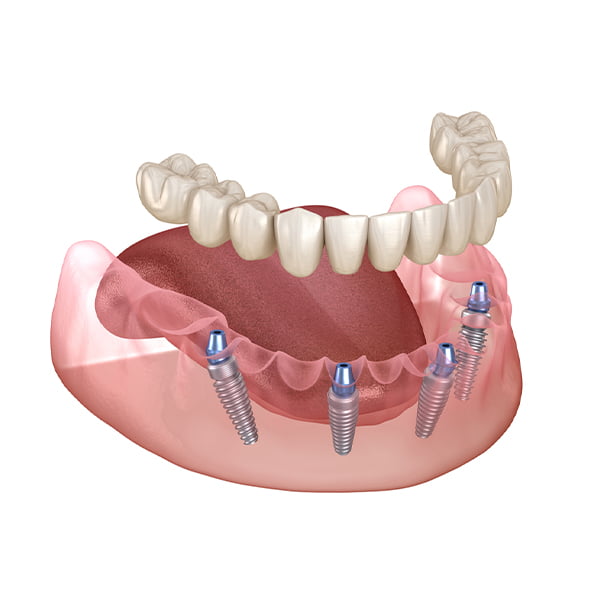
- Range of use: Titanium implants are used for everything from a single missing tooth to full-arch treatment. Zirconia implants are mostly used for single teeth or a small number of missing teeth.
It is worth noting that the material of the crown and the material of the implant are separate questions. A titanium implant can carry a zirconia or porcelain crown; we cover this in our article on whether zirconia or porcelain should be used over implants.
Which option might suit which situation?
Your dentist decides which material to use after an examination and the necessary scans. As a general guide:
- Titanium implants are considered the standard option in most cases; design flexibility matters especially when several implants are needed, a bone graft is planned or angled restorations are required.
- Zirconia implants may be discussed for people with thin gums who are missing a single front tooth, or for people who would rather not have metal in their mouth.
- For people who clench or grind their teeth at night, the fracture resistance of the material is given extra consideration during planning.
Keep in mind that the aesthetic result at the front of the mouth depends on far more than the material: bone and gum volume, implant position and how the crown is made all play a decisive role. Our article on whether front tooth implants look natural may also be helpful.
Risks and limitations
Whatever the material, implant treatment is a surgical procedure and carries some risks. Failure to integrate with the bone, infection and, in the long term, inflammation around the implant (peri-implantitis) can occur with both types. Specific to zirconia, the risk of fracture and the more limited restoration options of one-piece designs should be kept in mind. With titanium, grey show-through under thin gums and very rare sensitivity reactions are considered. No material determines a successful outcome on its own; careful planning, surgical technique and regular oral care matter at least as much. All of these factors are weighed together when choosing between different implant treatment options.
Frequently asked questions
Are zirconia implants better than titanium?
It is not accurate to say one material is simply superior; each has different strengths and limitations. Titanium has longer-term evidence and more design flexibility, while zirconia may be preferred by some people for its appearance and because it is metal-free. The decision depends on your individual situation.
Can anyone have zirconia implants?
Zirconia implants are not suitable for every situation. Your dentist will assess bone volume, the number of missing teeth, biting forces and the restoration plan before deciding. For full-arch treatment, titanium systems are usually preferred.
Can you be allergic to titanium implants?
Titanium allergy is very rare. If you have a history of metal allergy, it is important to mention it at your consultation. If needed, further assessment can be arranged together with the relevant doctors.
Can zirconia implants break?
Zirconia is a hard material but more brittle than titanium, and there is a risk of fracture, particularly with narrow implants. Modern manufacturing aims to reduce this risk, but it is always taken into account during planning.
Choosing between titanium and zirconia implants means looking at your mouth and your expectations together. After a thorough dental examination and the necessary imaging in Kahramanmaraş or wherever you live, you and your dentist can discuss which material and treatment plan suit you.
This article is for general information only; the right treatment for you is decided by your dentist after an examination and any necessary tests.