Tooth loss becomes more common with age, and many people wonder whether they are “too old” for implants. Dental implants for elderly patients are now a widely used and well-studied option. The short answer is that there is no defined upper age limit. What matters is not the number of birthdays but general health, current medications, the amount and quality of jawbone, the ability to keep up oral hygiene, and personal expectations. This article explains how implant treatment is assessed in older adults, how the process usually runs and what deserves extra attention.
Is there an age limit for dental implants in older adults?
Research shows that in older people whose health allows it, implants can integrate with the bone in much the same way as in younger adults. Bone healing may slow down somewhat with age, but that alone does not rule out treatment. Many people receive implants in their seventies and even eighties.
The lower limit is a different matter: implants are not placed until jaw growth is complete. So the “age limit” question really applies to young people. For older adults, the real question is whether this person’s general health and mouth are suitable for implants.
What is assessed before implants in older age?
Before recommending treatment, your dentist carries out a thorough assessment. This usually covers:
- General health: Whether conditions such as heart disease, diabetes, kidney or liver problems are well controlled.
- Medications: Blood thinners, certain drugs used for osteoporosis and treatments that suppress the immune system can all affect planning.
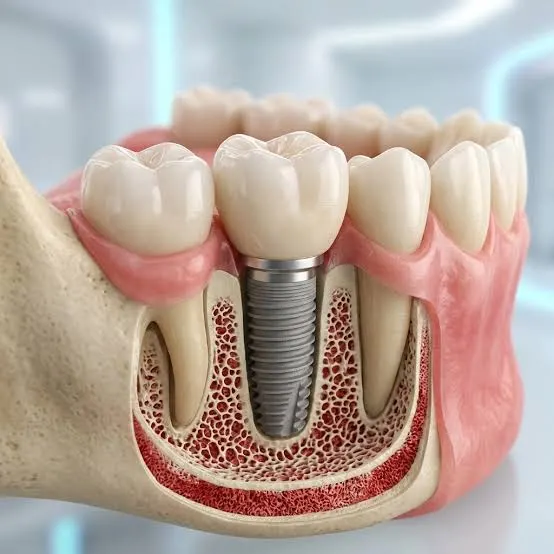
- Bone volume and density: Areas that have been without teeth for a long time often lose bone. Three-dimensional imaging is used to measure what is available, which is why the condition of the jawbone gets its own assessment.
- Gum health: Active gum disease needs to be treated first.
- Dexterity and ability to clean: Implants stay healthy through regular cleaning. Arthritis, tremor or poor eyesight can make this harder, and the design of the prosthesis takes that into account.
- Expectations: Whether chewing, speech or appearance matters most helps shape the plan.
Where needed, the dentist will talk with your GP or specialist so that the timing of treatment is agreed together.
Dental implants for elderly patients: which options fit?
In older age, tooth loss is often not limited to a single tooth, so several approaches may be considered:
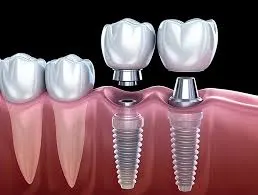
- Single implants or implant bridges: If a few teeth are missing, implants can carry fixed crowns or a bridge.
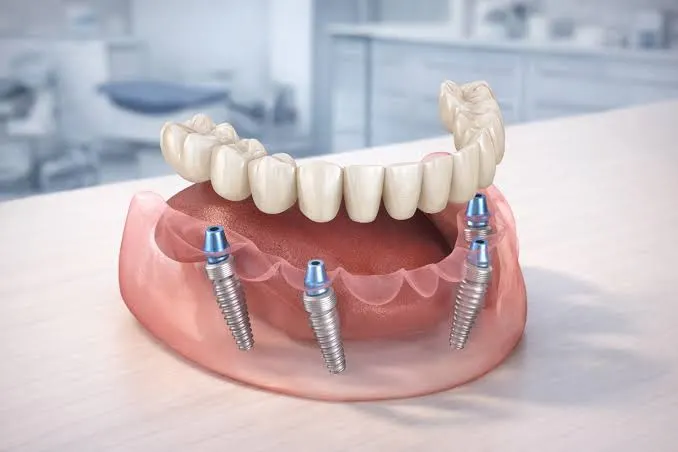
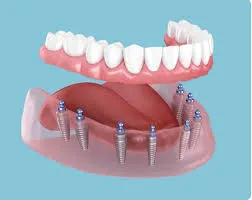
- Implant-retained overdenture: A removable denture that clips onto a small number of implants. Because it is easier to clean, it is often chosen for people with reduced dexterity.
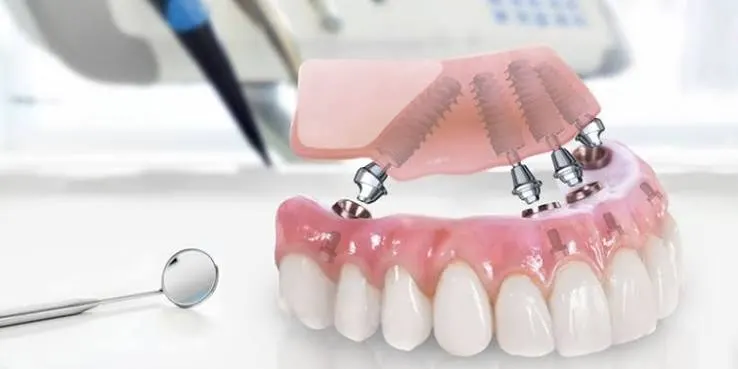
- Implant-supported fixed prosthesis: When all teeth are missing and there is enough bone and suitable health, a fixed prosthesis may be planned as part of full-jaw implant procedures.
For many older people who wear a full lower denture and struggle with it moving, even two implants supporting the denture can noticeably improve chewing and confidence. Which option fits is decided after the examination and imaging.
How does the treatment process work?
The steps are similar to those for younger adults, but planning tends to be more careful:
- Examination and tests: A clinical exam, a panoramic X-ray and, in most cases, a 3D scan. Blood tests or a medical consultation may be requested.
- Preparation: Treating decayed teeth or gum disease, and planning bone grafting if needed.
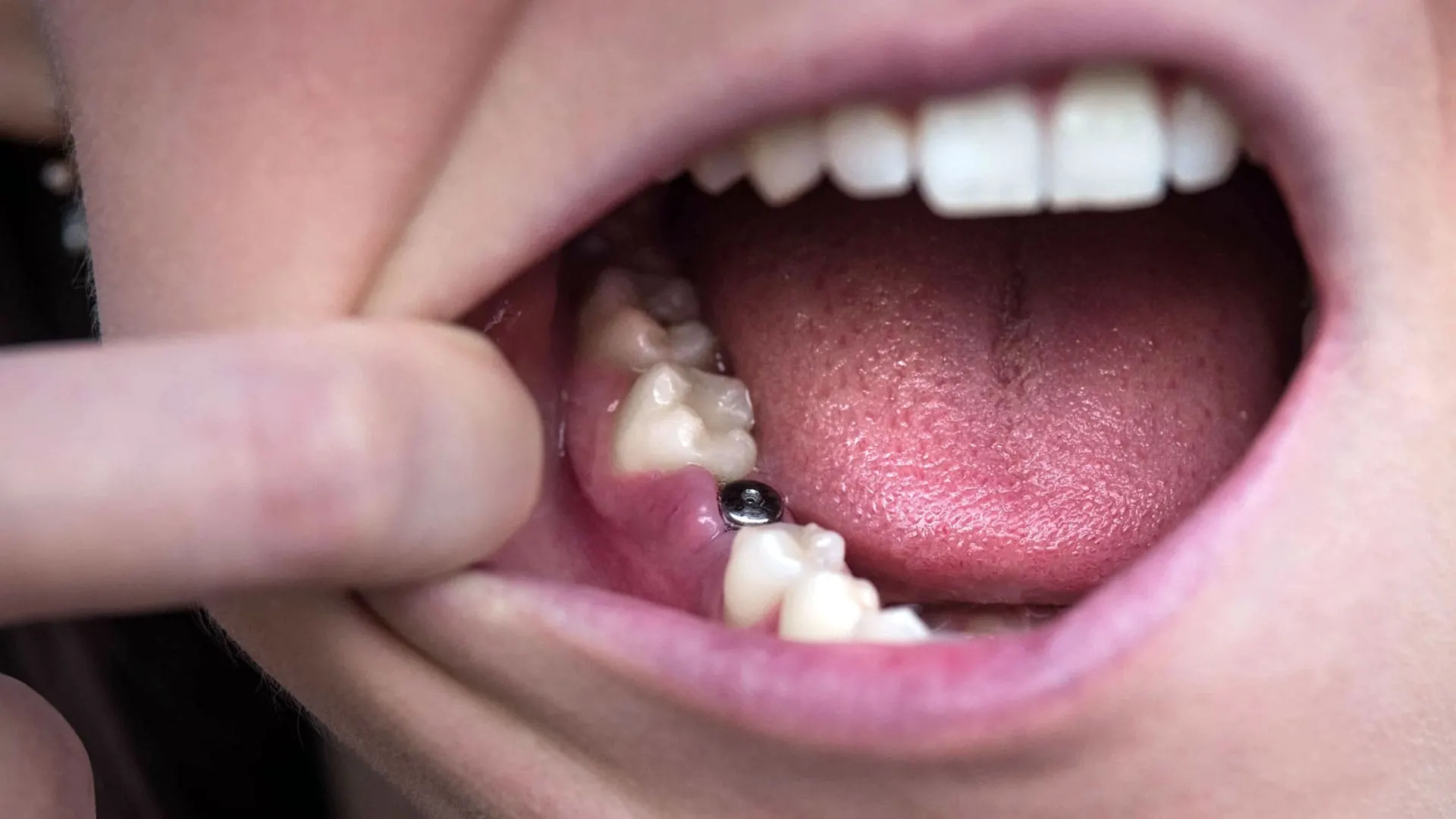
- Implant placement: Usually done under local anaesthetic. For anxious patients, sedation may be discussed.
- Healing period: Integration with the bone typically takes about 2-3 months in the lower jaw and 3-6 months in the upper jaw, and may take longer depending on bone quality.
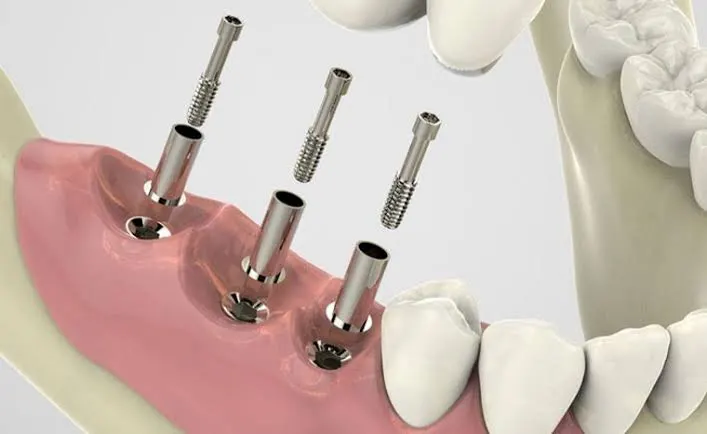
- Prosthetic stage: Impressions or scans are taken, the final teeth are fitted, and regular check-ups begin.
Appointments can be kept short and spaced out to allow rest between visits.
Risks and points to watch
Like any surgical procedure, implant treatment carries risks. Some deserve particular attention in older age:
- Chronic conditions: Poorly controlled diabetes can slow healing and raise the risk of infection.
- Blood thinners: Never stop these on your own. Any adjustment is made together with the doctor who prescribed them.
- Osteoporosis medication: Some of these drugs, particularly those given intravenously, can cause healing problems in the jawbone. Always mention if you have taken them.
- Dry mouth: A common side effect of many medicines, dry mouth can harm the gums and the tissue around implants.
- Peri-implantitis: Without good cleaning, inflammation can develop around the implant and lead to bone loss.
Careful planning, regular check-ups and good hygiene reduce these risks, but they cannot remove them entirely. Every person’s situation is different.
Caring for implants in later life
Implants cannot decay, but the gum and bone around them still need care. Brushing twice a day and using interdental brushes or a water flosser are usually recommended. Removable overdentures should be taken out and cleaned daily, and their attachments checked. Thick-handled or electric toothbrushes can make cleaning easier for people with limited hand strength, and help from a family member can make a real difference. Your dentist will usually suggest a check-up every six months, sometimes more often.
Frequently asked questions
Can you get dental implants at 80?
Yes, if general health allows and there is enough bone. The decision depends on the examination, imaging and, where needed, input from your other doctors rather than on age. In some cases a removable denture held by fewer implants is the more suitable choice.
Does healing take longer in older patients?
Bone renewal can slow a little with age, and your dentist may allow a slightly longer healing period. In healthy older adults, integration is still usually complete within a few months. Chronic illness and smoking can extend this.
I take blood thinners. Can I still have implants?
In most cases yes, but never stop your medication on your own. Your dentist will coordinate with the prescribing doctor and plan the necessary precautions. Local measures to control bleeding are often enough.
Will implants stop my denture from moving?
A loose lower denture is a very common complaint. A denture supported by two or more implants improves retention and chewing for most people. Whether this is right for you becomes clear after an examination.
Age on its own is not a barrier to implant treatment; what counts is a combined look at general health, bone and the ability to care for the implants. Having your situation assessed at a dental examination, whether in Kahramanmaraş or wherever you live, is a calm first step towards planning the option that suits you.
This article is for general information only; the right treatment for you is decided by your dentist after an examination and any necessary tests.